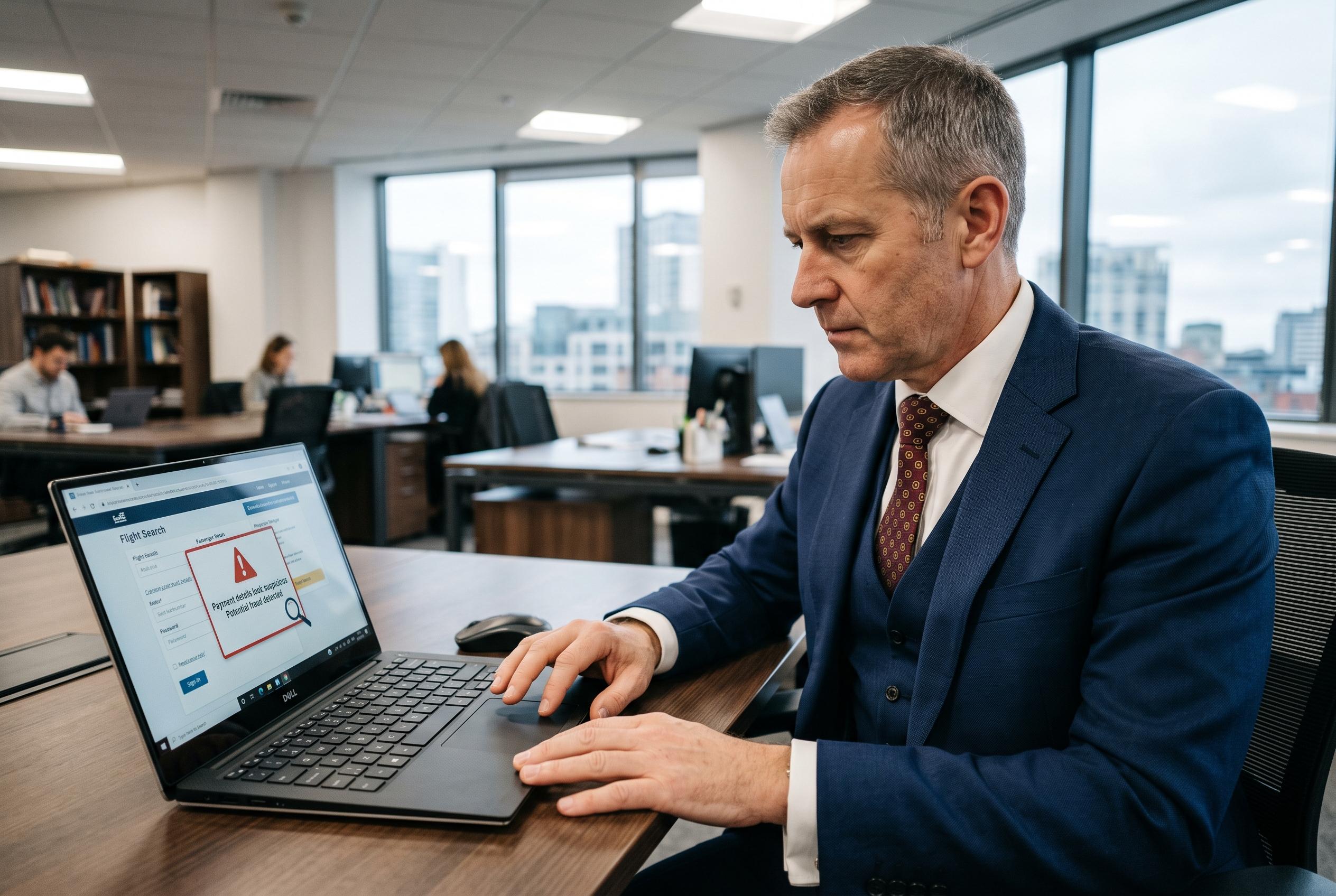

A new Kaspersky report warns that fake travel platforms and fraudulent offers are increasingly common, urging travellers to scrutinise booking links, app downloads, and payment requests to avoid falling victim to cybercriminals exploiting online trip planning.
Travellers are being warned to scrutinise booking links, app downloads and payment requests as fake travel platforms and fraudulent offers become more common, according to Oman Observer and a new Kaspersky report. The cybersecurity company said online trip planning now creates a useful opening for criminals because people often move between airline sites, ride-hailing apps and booking platforms under time pressure and in the hope of securing a bargain.
Kaspersky said it blocked more than 893 million phishing attempts worldwide in 2024, a rise of 26% from the previous year, and found that scammers frequently copied well-known travel and accommodation brands to steal log-ins or install malware. In the transport category, the company said attacks imitating one major airline made up 61% of detections linked to transport brands, while road transport apps accounted for 37%. It also said Trojans were the most common threat type, including Trojan-Bankers designed to steal banking credentials and payment data.
The report also pointed to wider activity around travel and accommodation services, with 5,414 attack attempts recorded under those brand names over one year. Kaspersky said 54.6% of the threats hidden behind those services were Trojans. That pattern matters because travel accounts can hold card details, booking histories and private messages with hotels or activity providers, giving criminals both financial and personal data in one place.
Sunil D’souza told Oman Observer that booking addresses should be checked carefully before any payment details are entered because phishing pages often use lookalike domains. Tariq al Barwani, founder of Tech Oman, advised caution over offers that seem too good to be true, especially those demanding urgency or unusual payment methods such as wire transfers or gift cards. Kaspersky said travellers should use strong, unique passwords, switch on multi-factor authentication where available, download apps only from official stores and verify QR codes, website addresses and payment pages before proceeding.
Disclaimer: This content is intended for informational purposes only. Readers are advised to exercise their own judgement, conduct due diligence, or consult a qualified expert before acting on any information provided.