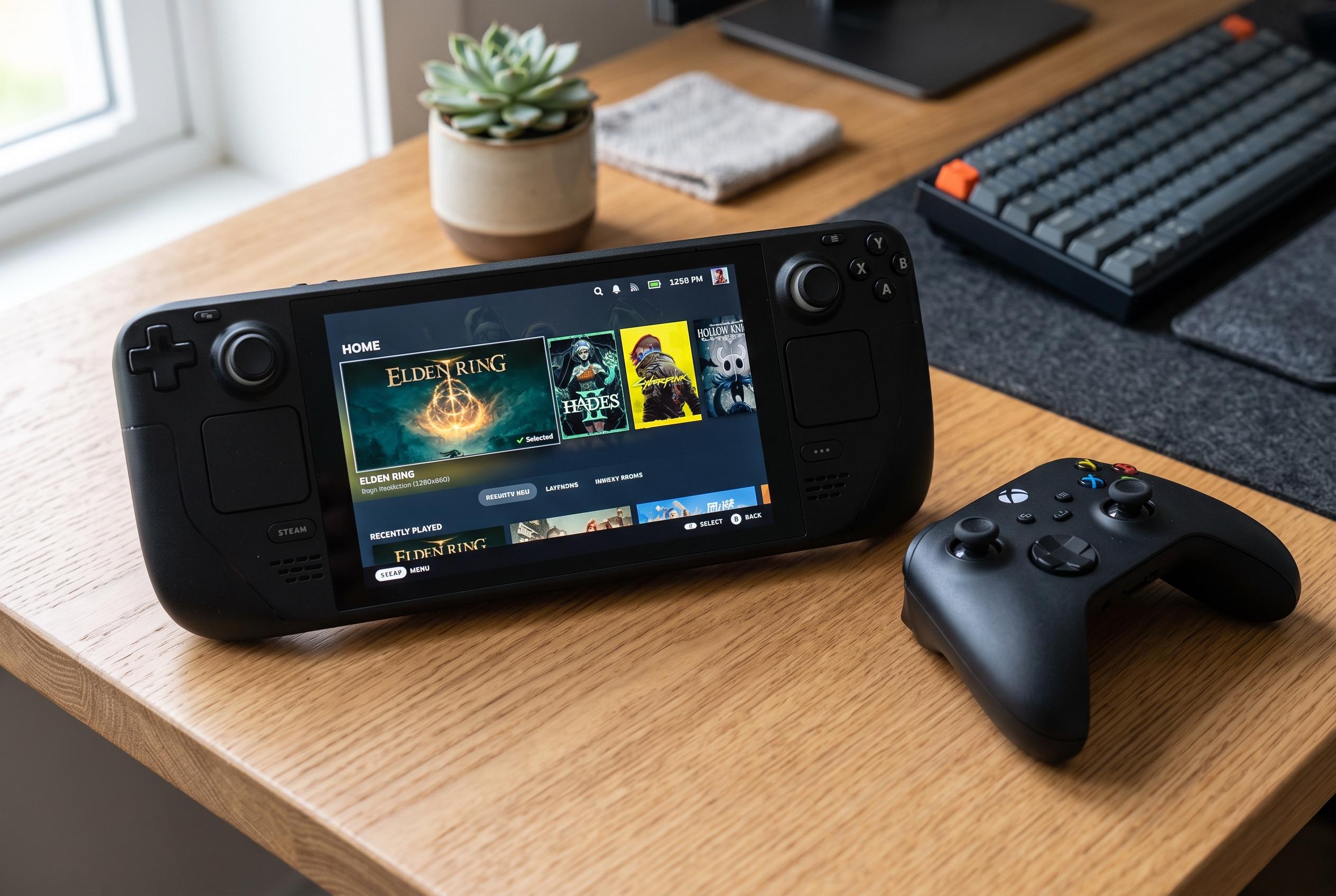

Valve’s latest SteamOS beta update broadens device compatibility, enhances controller functionality, and signals a strategic shift toward making Linux-based gaming a viable alternative to Windows on portable PCs.
Valve has broadened the scope of its SteamOS beta with version 3.8.25, pushing the software further beyond Steam Deck and into a wider range of handheld gaming PCs. According to reporting from JagatPlay and PC Gamer, the update is built on Linux kernel 6.18.42 and focuses on stability fixes, broader device compatibility and better controller behaviour across both Valve and third-party hardware.
The patch addresses several practical faults that affect day-to-day use. Valve has fixed Wi-Fi reliability problems, a wake-from-sleep CPU performance issue and a selection of HDMI bugs, while also improving support for gamepads on handhelds such as the MSI Claw family and Ayaneo devices, according to PC Gamer and Steam Deck HQ. SteamOS’s desktop controls have also been refined, including fixes for the MSI Claw in Desktop mode and a crash affecting the performance overlay when recording data.
The most notable change for long-time Valve users is support for the 2015 Steam Controller, which can now wake devices after extended sleep periods and has received better trackpad navigation and Desktop Mode handling. That is a small but telling sign of Valve’s approach: SteamOS is being tuned not only for current handhelds, but also for older first-party hardware that still has a place in the company’s ecosystem.
The wider significance is strategic. Valve continues to add early support for non-Valve handhelds, including the MSI Claw 8 EX AI+, Ayaneo Pocket S2, Ayaneo Konkr Fit and OneXPlayer Apex, with initial wireless adapter support also appearing for Steam Frame, according to PC Gamer and Tom’s Hardware. Earlier SteamOS preview builds had already introduced initial Steam Machine support, better graphics drivers, Wayland by default in Desktop Mode and broader improvements for power management, external displays and input latency. Taken together, the updates suggest a deliberate effort to make SteamOS a credible alternative to Windows on portable gaming PCs.
Disclaimer: This content is intended for informational purposes only. Readers are advised to exercise their own judgement, conduct due diligence, or consult a qualified expert before acting on any information provided.