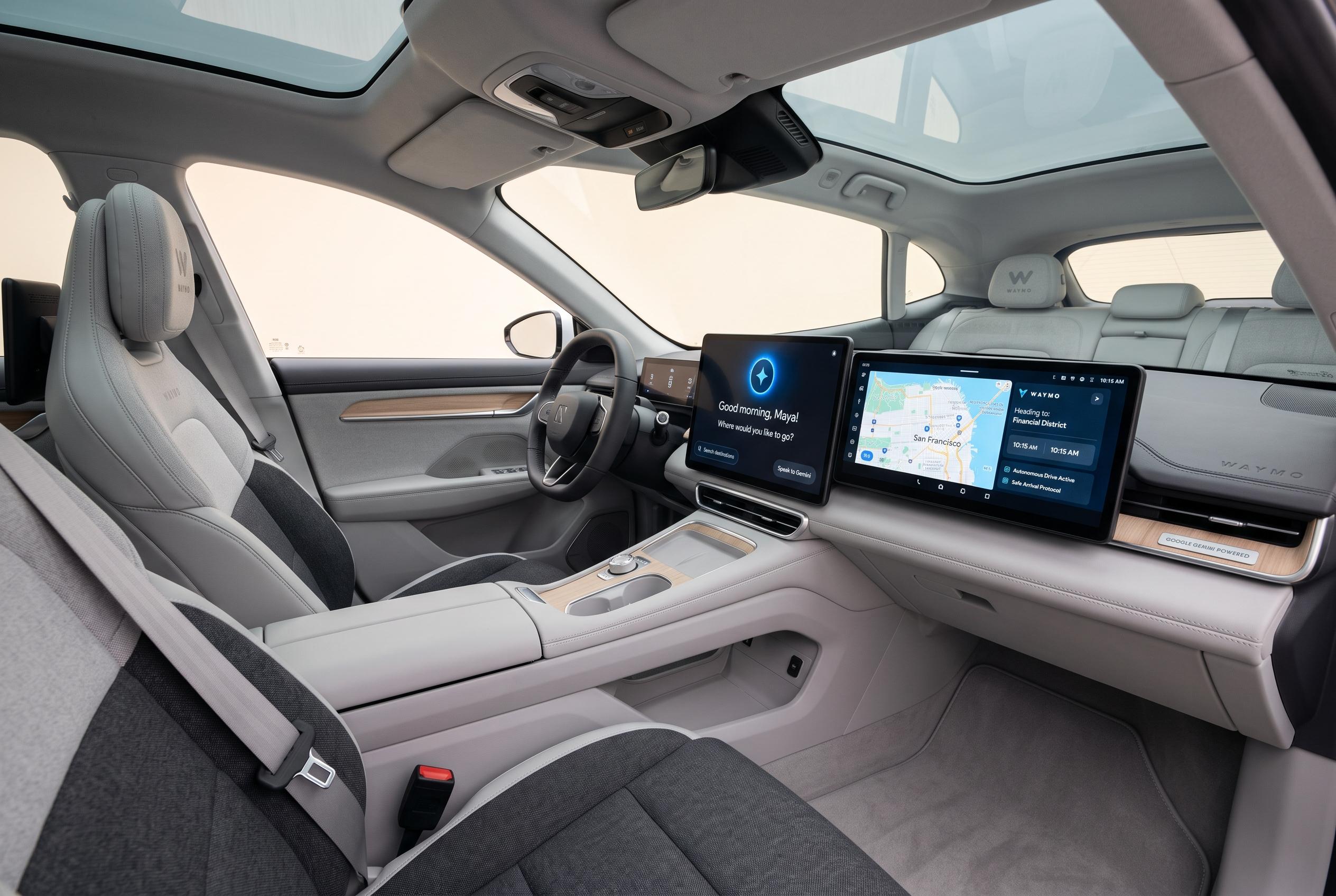

Waymo unveils a refined sixth-generation robotaxi featuring a conversational Google Gemini assistant and a versatile cabin interface, signalling a shift towards comfort and trust in autonomous travel.
Waymo has given riders a clearer look at where robotaxis are heading next: not just towards more capable driving systems but towards a more polished passenger experience. In a redesign now rolling out in the Ojai, the company’s sixth-generation, Zeekr-built robotaxi, Waymo has introduced a new in-cabin interface built around a conversational assistant powered by Google’s Gemini. The update is meant to make the vehicle feel less like a shuttle and more like a responsive digital environment for passengers. According to Not a Tesla App and Waymo’s own product materials, the Ojai is designed as a spacious, all-electric people carrier with sliding doors and a flat floor, intended to serve as a practical high-capacity robotaxi rather than a conventional car with autonomy added on top.
The most visible change is the new screen layout. Rather than showing the same content everywhere, the system now uses a tri-screen arrangement that changes depending on who is sitting where. A lone rear passenger can see climate and media controls on their display, while empty seats are reduced to a simpler trip view or ambient artwork. Waymo has also added a Calm Mode that lowers brightness and limits the amount of information shown, which is aimed at making rides feel less visually busy. 9to5Google reported that Gemini is activated from a dedicated on-screen button and can handle basic passenger requests such as temperature changes, route progress questions and local recommendations.
Waymo has been careful to draw a line between the assistant and the driving system. In material first reported by TechCrunch and later echoed in Waymo’s own explanation, Gemini operates separately from the Waymo Driver software that controls the vehicle’s movement. That means passengers can ask for help with cabin functions or request a stop, but the assistant does not make routing decisions or steer the car. The distinction matters, because it frames Gemini as a concierge layer rather than a second autonomy stack.
The Ojai itself is already in public service for selected riders in Phoenix, Los Angeles and San Francisco, according to Waymo and TechCrunch, with the company using early trips to gather feedback before a wider rollout. Early testers have praised the smoother door automation and the way the interface shifts from a smaller arrival screen to a full navigation view once the vehicle is under way. But some users have also reported that the Ojai feels less decisive on the road than Waymo’s previous generation, suggesting that the software will need time to mature as service expands. That mix of improved comfort and still-evolving driving behaviour shows where the race is now headed: not simply towards more self-driving miles, but towards a cabin experience that passengers trust and understand.
Disclaimer: This content is intended for informational purposes only. Readers are advised to exercise their own judgement, conduct due diligence, or consult a qualified expert before acting on any information provided.