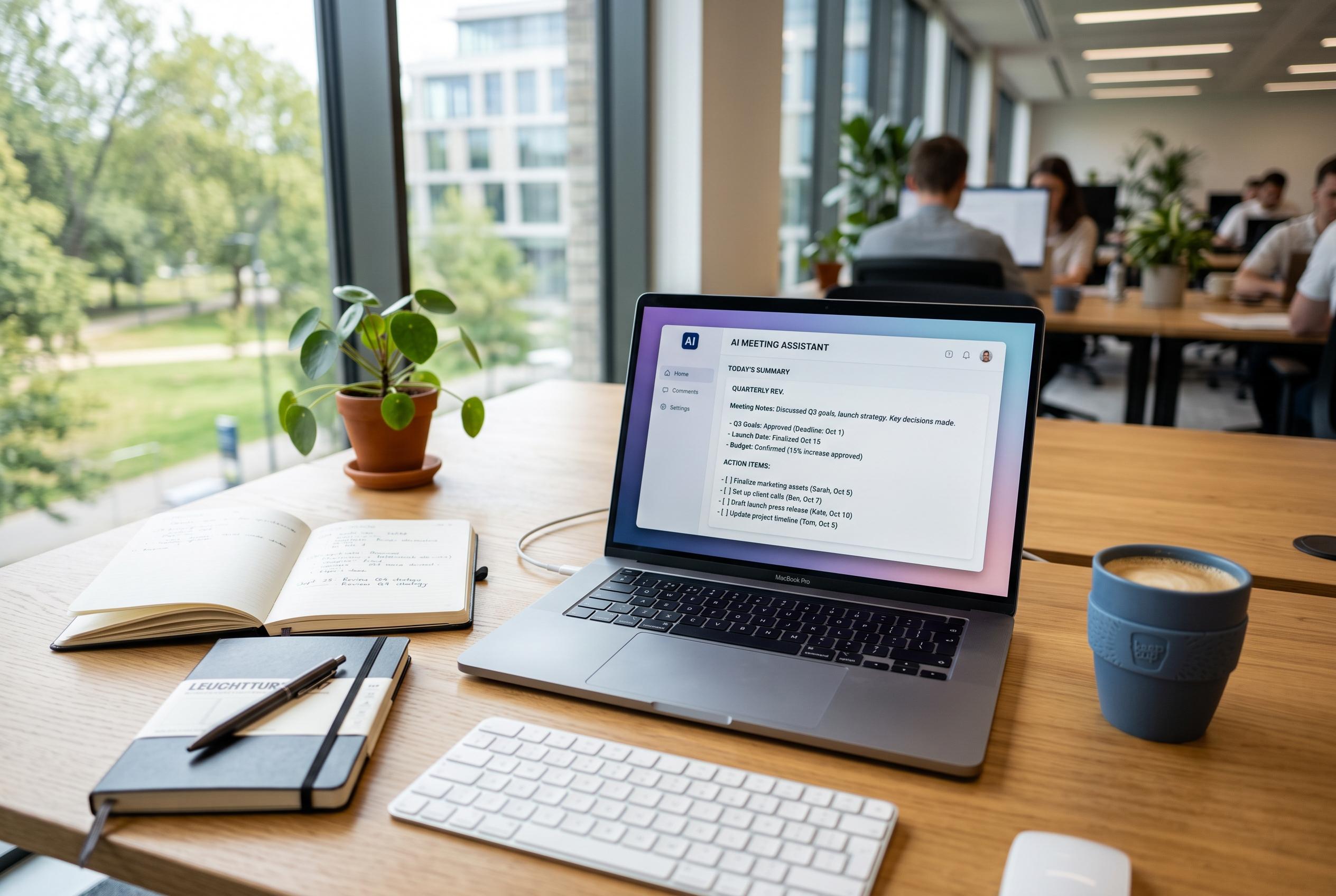

AI-driven meeting preparation tools, designed to streamline routine tasks like briefing and follow-up, are emerging as the most effective automation for busy professionals, reducing cognitive load and increasing efficiency.
In AI workshops, the question that comes first is usually about the flashiest possible use case: inbox triage, scheduling, CRM updates or lead research. Yet the most useful agent is often the least glamorous one. A meeting preparation agent, built to collect context before calls begin, can remove a daily source of friction that many people have simply learned to tolerate.
The appeal is in its routine. A typical setup sends a morning briefing with the day’s meetings, a short summary of each attendee, notes from the last interaction and a link to the person’s LinkedIn profile. A second alert arrives shortly before each call with the key context needed at the table. Briefly, a product in this category, describes a similar model by connecting to calendars, CRM systems and project tools to generate concise meeting briefs automatically.
That kind of automation matters because the manual alternative is expensive in time and attention. Chasing old emails, reopening browser tabs and refreshing one’s memory before each meeting can easily consume 20 to 30 minutes per call. For people with several meetings a day, that becomes hours each week. Align AI and Zact both position meeting tools around reducing that overhead, although their products extend further into agenda management and live in-meeting support.
The wider lesson is that AI agents are most persuasive when they handle something repetitive enough to be invisible but frequent enough to compound. Morning briefings, follow-up drafting and pipeline updates are the sort of tasks that tend to show immediate value because they recur every day. Miles, which brands itself as an AI chief of staff, and BriefDeck, which focuses on overnight meeting review and follow-up drafting, both point to the same principle: practical automation tends to win when it starts with work people already do habitually.
That is why meeting preparation can become a stronger first project than the more obvious, high-status ideas that sound better in conversation. The value is not novelty. It is consistency, reduced cognitive load and a better baseline for every meeting that follows. Once users experience that shift, the benefit is hard to ignore.
Disclaimer: This content is intended for informational purposes only. Readers are advised to exercise their own judgement, conduct due diligence, or consult a qualified expert before acting on any information provided.