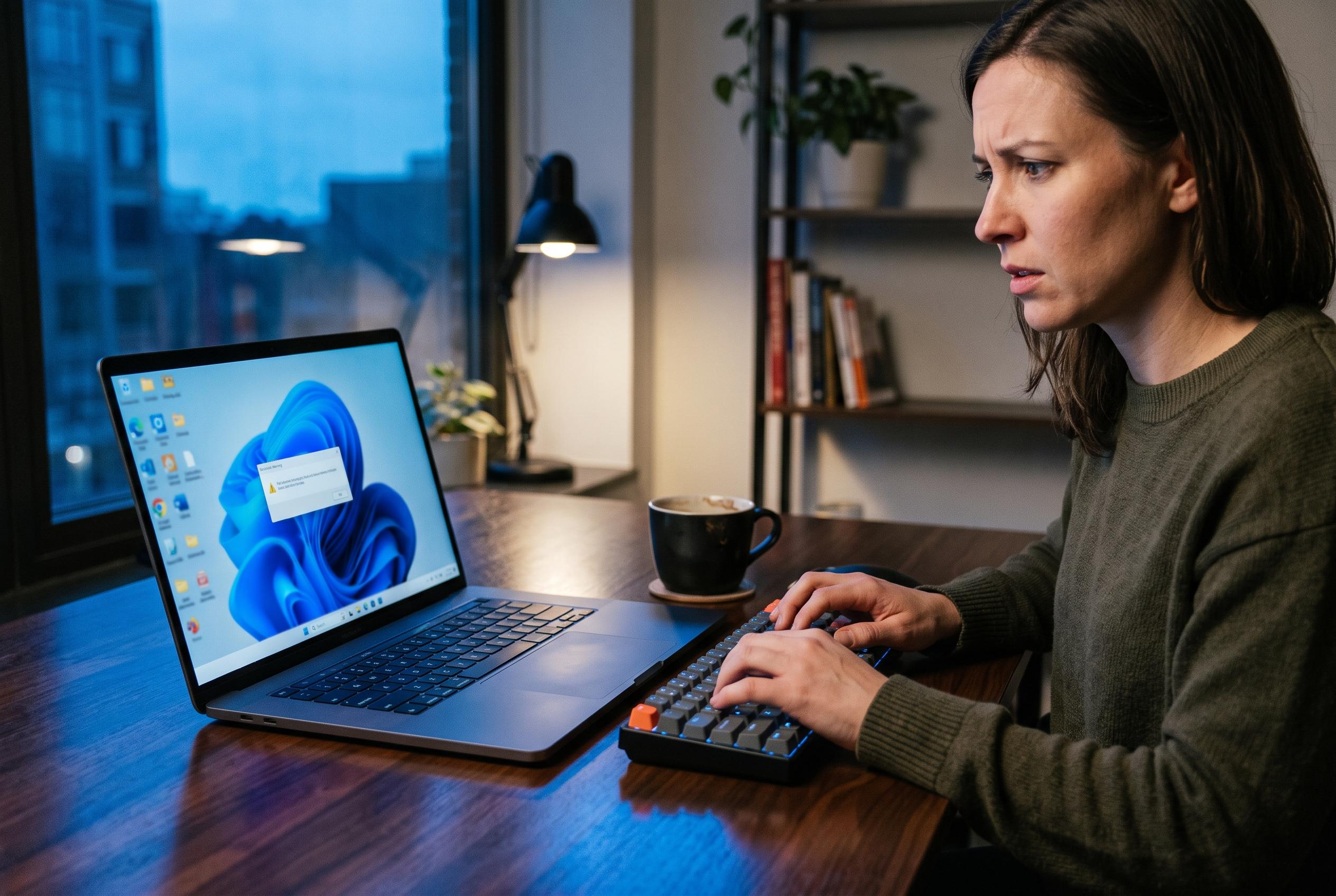

Microsoft’s latest Windows 11 security update KB5124008, intended to enhance features and security, has inadvertently caused significant system issues, affecting Linux apps, Remote Desktop, AMD graphics, and enterprise setups, prompting calls for caution among users.
Microsoft’s September Windows 11 security update is proving difficult for some users, even though it was meant to be a notable release. The patch, KB5124008, restored features such as a movable taskbar and a resizable Start menu, but reports now link it to breakage in Linux-based Windows Subsystem for Linux apps, Remote Desktop Services, File History, Explorer.exe, and some AMD Radeon systems. The timing is awkward for Microsoft, which only days earlier urged users not to delay updates as it warned that AI-assisted attackers were exploiting security gaps more quickly.
Microsoft’s own support page confirms that KB5124008 applies to Windows 11 versions 24H2 and 25H2, and says it addresses security vulnerabilities and maintenance work. Yet the company has also acknowledged a bug affecting applications that rely on HCS-managed virtual machines with Plan9 shared folders. That issue can disrupt Linux guests that try to mount host folders, which is why Anthropic said Claude Cowork on Windows 11 has been affected. Microsoft says standard Hyper-V virtual machines without Plan9 are not impacted.
Remote desktop users appear to be facing a separate problem. Microsoft says some installations of the update can make Remote Desktop Services unstable, trigger repeated connection failures, and leave users stuck at a “Please wait for the Remote Desktop Configuration” screen. The company also warns that File Explorer, the Microsoft Management Console and the Windows Update page itself may become unresponsive in some cases.
Windows Latest also reported wider complaints that Microsoft has not yet formally confirmed, including File History backups failing to detect external drives and Explorer.exe crashes that leave some users with a black screen after sign-in. In a Reddit post cited by the site, a Microsoft employee said the company was collecting memory dumps and still needed more data to identify the root cause. The reports suggest the Explorer issue is especially affecting enterprise-style desktop setups that use profile containers, including Citrix UPM, FSLogix, Horizon and ProfileUnity ProfileDisks.
There are also signs that the update may be harming some AMD-based PCs. According to user reports gathered by Windows Latest and discussions on Reddit, affected systems have seen GPU driver timeouts, black screens, full freezes and repeated driver failures across a range of Radeon cards, including RX 6600, RX 7700 XT, RX 7800 XT, RX 7900 GRE, RX 7900 XTX and RX 9070 XT models. For now, the picture is mixed: KB5124008 remains a security update that Microsoft wants users to keep, but it is also clearly introducing real instability on some machines.
Disclaimer: This content is intended for informational purposes only. Readers are advised to exercise their own judgement, conduct due diligence, or consult a qualified expert before acting on any information provided.