
The 20W solar panel backpack emerges as a versatile, high-efficiency option for hikers and commuters, blending faster charging, durable materials, and everyday usability, setting it apart from larger, bulkier rivals.
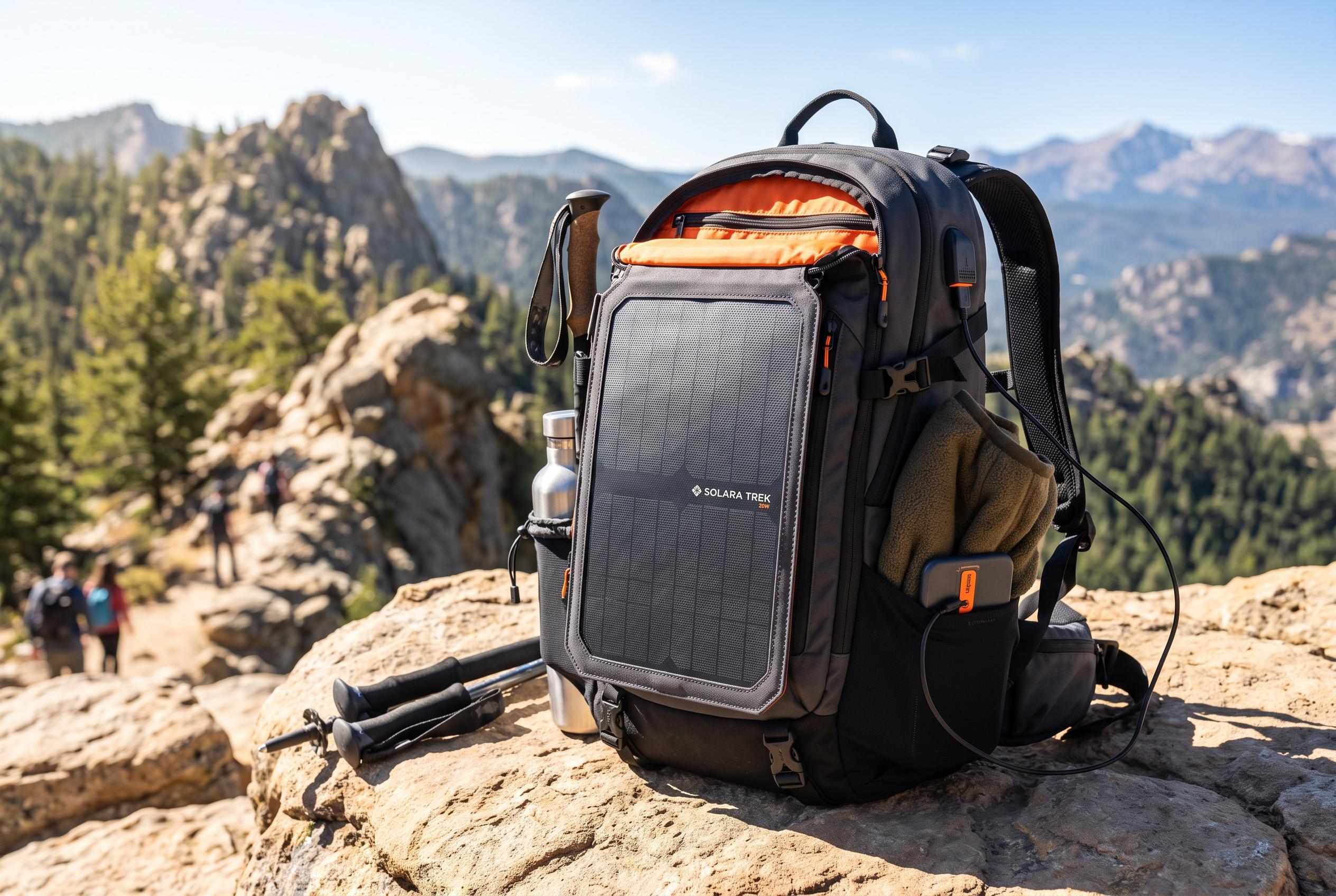
The 20W solar panel backpack is presented as a stronger alternative to smaller, lower-output hiking packs because it pairs higher charging capacity with a more practical layout. The review says its upgraded HPBC solar cells reach a 24.8% conversion rate, which is intended to improve charging speed compared with common 7W and 14W designs. It also adds USB and Type-C outputs, so two devices can be powered at once, while the 1680D Oxford fabric and water-resistant build are meant to cope with outdoor use.
The case for the backpack rests not only on output but on usability. According to the review, the interior is organised for day trips and commuting, with a 15.6-inch laptop compartment, padded straps and a breathable back panel. A luggage strap adds travel flexibility, allowing the pack to sit securely on a suitcase handle. That makes it more versatile than a narrow hiking-only design.
The comparison section places the pack ahead of several rivals by balancing efficiency and practicality. The XTPower Xplorer Globetrotter 42 offers a larger 42W solar setup and broader storage, but it is described as bulkier and more expensive. ECEEN’s pack is lighter and packs down smaller, yet its 6.5W panel is framed as slower and better suited to light use rather than sustained charging. Goal Zero’s Nomad 10 is also positioned as a compact option for small devices, but not as a full backpack solution for users who need integrated storage.
The broader buying advice in the article focuses on the trade-offs that matter most in the field. Higher solar efficiency means faster charging and, in some cases, a lighter design because less panel area is needed to produce useful power. Weight, comfort, storage, weather resistance and device compatibility are all presented as equally important. The review also notes that solar backpacks depend on sunlight, so they are best viewed as a supplement to traditional charging rather than a complete replacement for it.
For hikers, commuters and travellers who want one bag that can carry gear and recharge small electronics, the 20W model is described as the most rounded choice in the group. Its appeal lies in combining faster charging, stronger materials and everyday practicality without drifting too far into specialist or bulky territory. That makes it the article’s top recommendation for users who value dependable off-grid power in a format that still works as a normal backpack.
Disclaimer: This content is intended for informational purposes only. Readers are advised to exercise their own judgement, conduct due diligence, or consult a qualified expert before acting on any information provided.