
Motorola, Samsung, and Google introduce new smart tracking devices aimed at Android users, offering enhanced compatibility, longer battery life, and integrated features tailored for campus life and everyday essentials.
Smart trackers are no longer just a luxury add-on for Apple users. For Android owners, they are becoming a practical way to keep tabs on keys, bags, bicycles and other everyday kit, especially on campus. The main challenge is choosing a tag that works properly across the Android ecosystem rather than locking users into one brand.
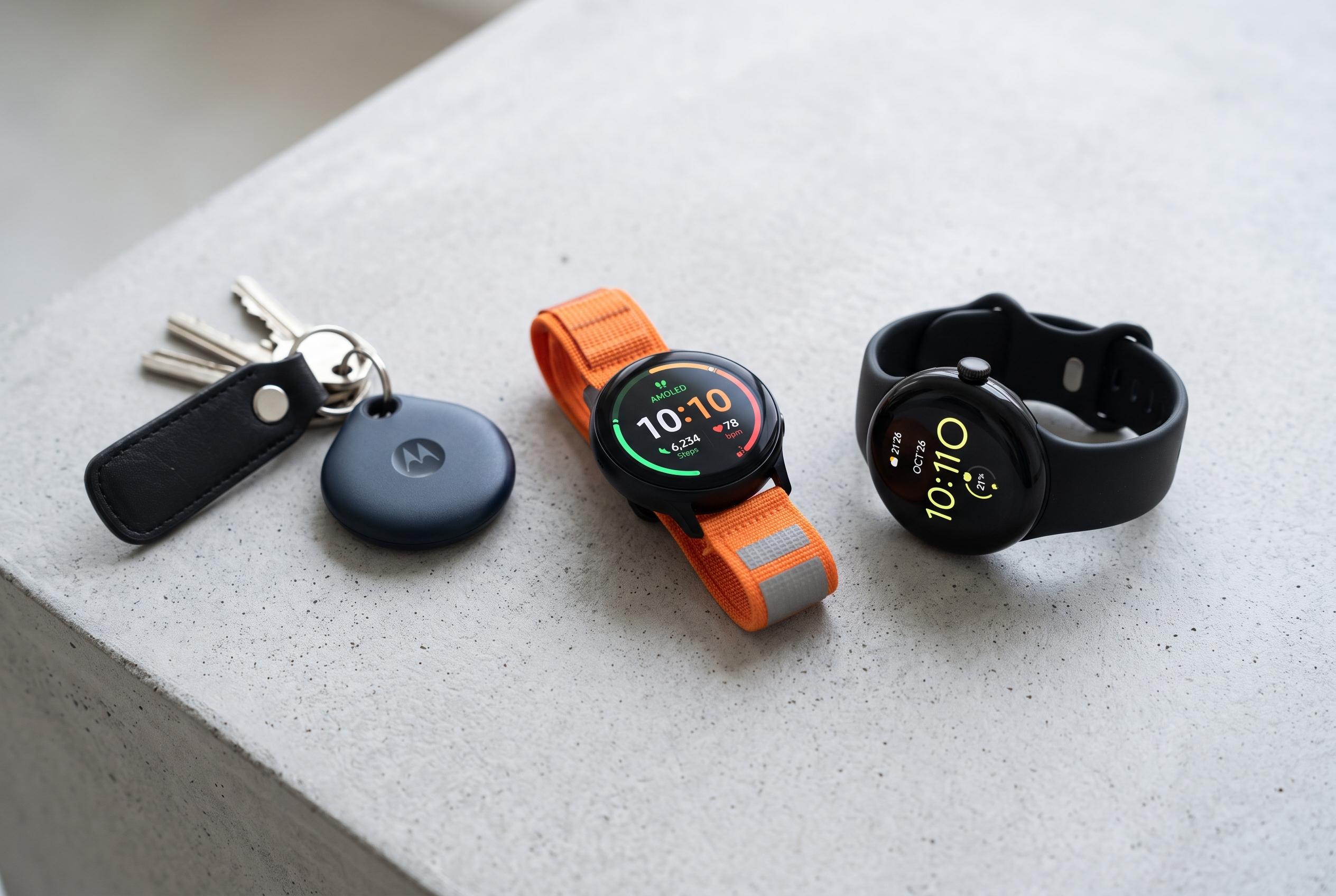
Motorola’s Moto Tag 2 looks like the most flexible option for most Android users. Motorola says it works with phones running Android 9 and later, and it combines ultra-wideband with Bluetooth Channel Sounding for more precise location tracking. The tag is compact, carries an IP68 rating for dust and water resistance, and is rated for more than 600 days of battery life. Setup is handled through Motorola’s app, while locating it relies on Google’s Find Hub network. That broad compatibility is the key advantage, particularly for people who may upgrade phones later.
Samsung’s Galaxy SmartTag 2 remains the strongest choice for those already committed to Samsung hardware. Reviews from SamMobile and Tom’s Guide note its UWB support, improved design and deep integration with Samsung’s SmartThings Find network. Samsung rates the device for up to 700 days of battery life and gives it an IP67 rating. It also offers extras such as phone finding and remote camera control, but its usefulness is limited because it works only with compatible Samsung devices.
Google’s Pixel Tag is the newest entry and, on paper, it matches the modern feature set expected in this category. Google says it supports UWB and Bluetooth Channel Sounding, works with Android 9 and newer, and lasts for more than a year on a charge. It also has an IP67 rating and a polycarbonate-and-metal build. The caveat is that it is too early to judge real-world performance. For now, Motorola has the clearest cross-device appeal, Samsung suits loyal Galaxy users, and Google’s tag will need time in use before it can be properly assessed. For students and commuters, any of the three could make sense, depending on how tightly they want the tracker tied to their phone brand.
Disclaimer: This content is intended for informational purposes only. Readers are advised to exercise their own judgement, conduct due diligence, or consult a qualified expert before acting on any information provided.