
Apple launches the AirPods 5 in two versions, with the premium model offering additional features like Qi charging, case speaker, and swipe volume control, raising questions about the value of the extra $20 for daily users.
Apple’s new AirPods 5 arrive in two versions, and the gap between them is not simply about charging. According to Apple’s product information and early reviews, the standard model costs $129, while the version with the Wireless Charging Case is priced at $149. Both share the same open-ear design, H2 chip, Active Noise Cancellation, Adaptive Audio, Transparency mode and IP57 resistance, so the choice turns on convenience rather than core sound features.
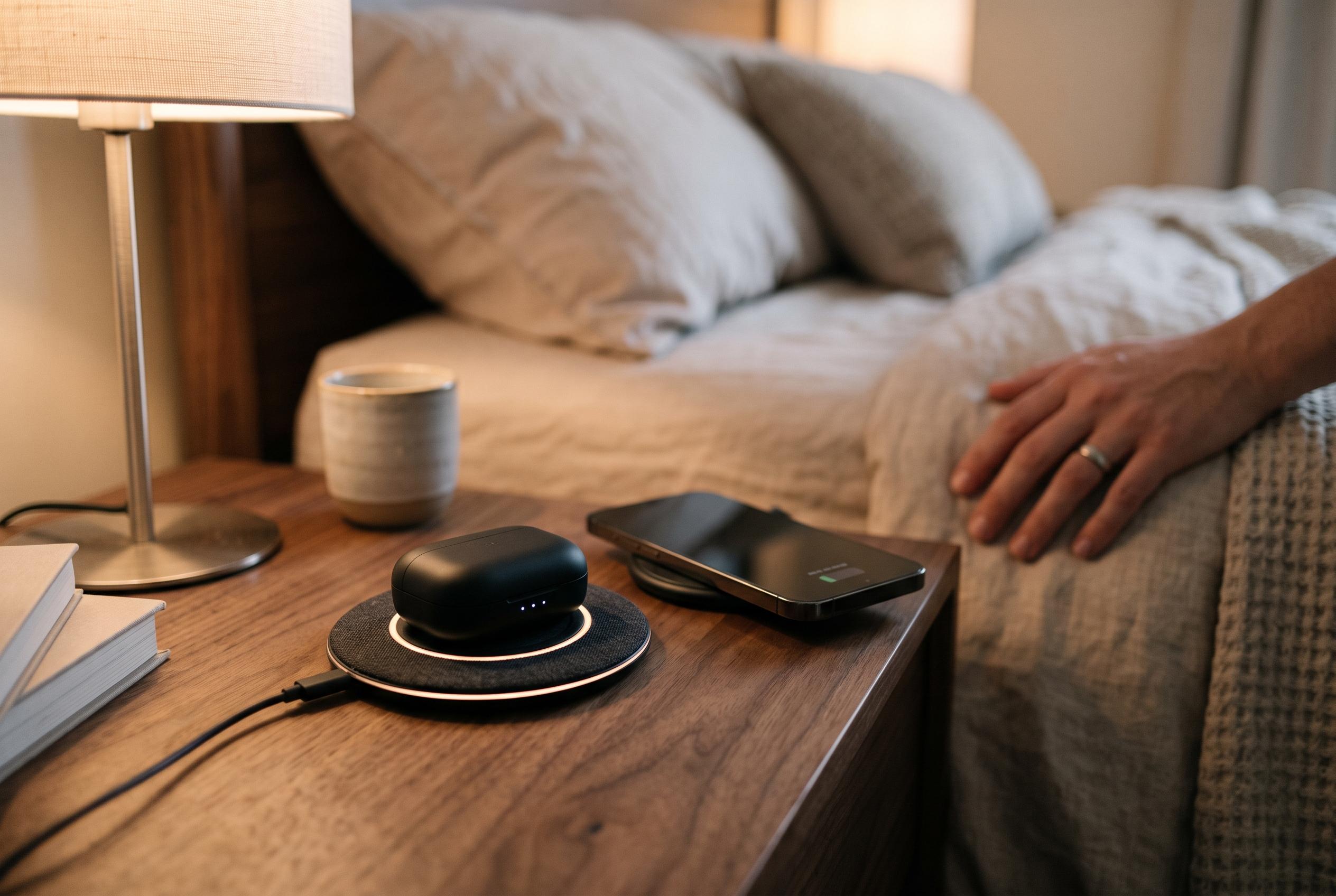
The cheaper model is the more basic package. Apple says it charges only through USB-C, and it lacks on-stem volume control and the case speaker used for Find My. The higher-priced version adds Qi and Apple Watch charger support, plus a speaker in the case that can play a sound when it is misplaced. The Mac Observer and The Apple Post both reported that swipe-based volume control is also reserved for the more expensive configuration.
Battery life is another difference. Apple lists the standard AirPods 5 at up to four hours of listening with noise cancellation enabled, rising to 20 hours with the case. The Wireless Charging Case model is rated for up to five hours per charge and 22 hours in total. Apple also says a five-minute charge can deliver about an extra hour of listening, which softens the impact of the shorter single-charge figure.
The headline features, however, are the same across both models. Apple says AirPods 5 remove up to 50% more external noise than AirPods 4 with ANC, and both configurations support Live Translation when paired with an iPhone 15 Pro or later running Apple Intelligence on supported software. TechSpot described the earbuds as a lightweight, comfortable open-ear design, while noting that they are not a direct substitute for AirPods Pro. The Verge’s review said the stem volume control is one of the more useful additions on the premium model.
For most buyers, the question is whether the extra $20 is worth paying for features that may be used every day. If you already rely on USB-C charging and do not mind changing volume from your phone or with Siri, the $129 version remains the cleaner value. If you want broader charging options, easier case tracking, direct volume control and a modest battery increase, the $149 model is easier to defend. Buyers who prioritise silicone tips, stronger isolation or much longer endurance will still need to look higher up Apple’s range.
Disclaimer: This content is intended for informational purposes only. Readers are advised to exercise their own judgement, conduct due diligence, or consult a qualified expert before acting on any information provided.