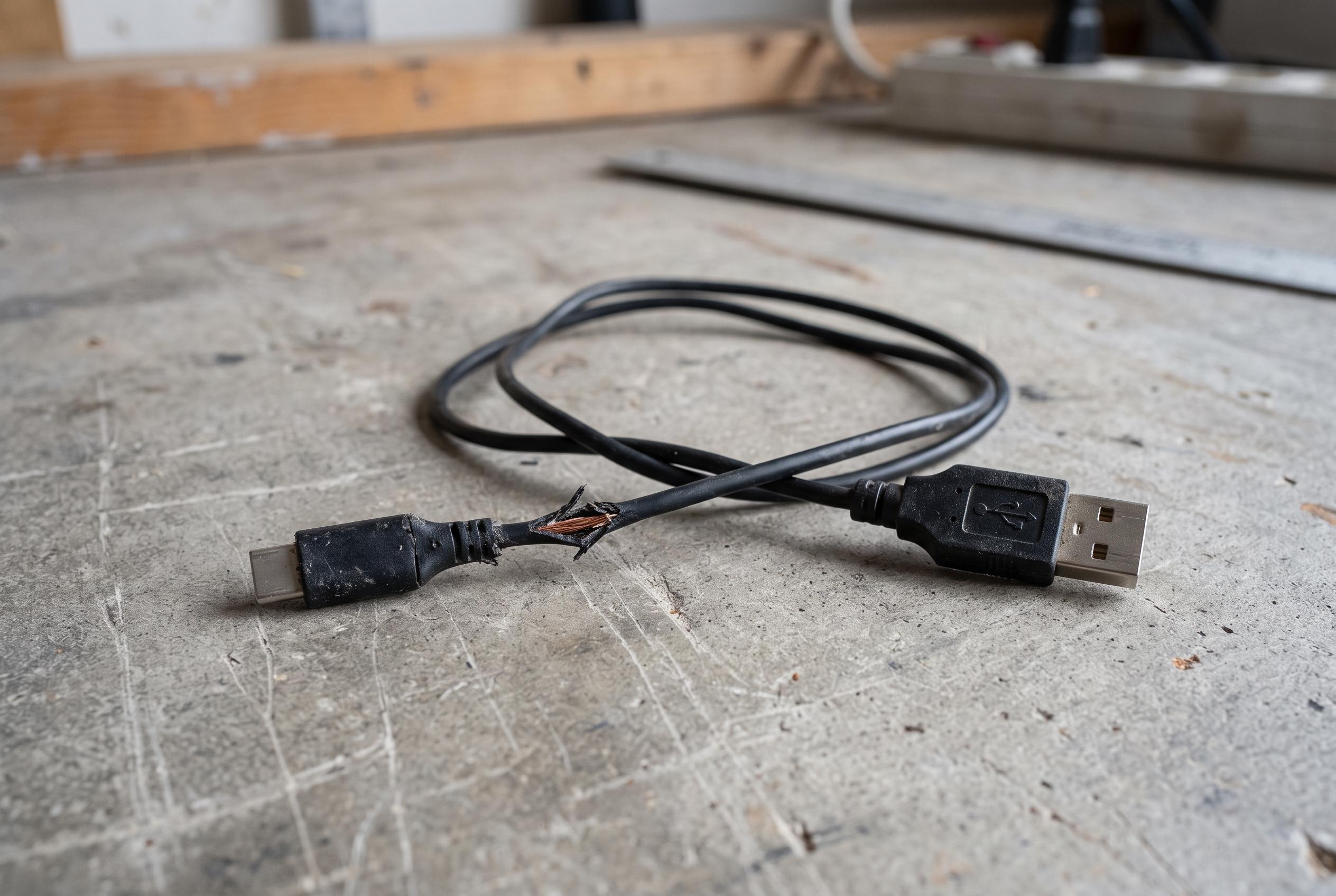

Low-cost USB-C charging cables purchased at gas stations may seem convenient but pose significant security and safety threats, including data theft and device damage, as experts warn against reliance on bargain accessories.
Buying a charging cable at a gas station may feel like a harmless fix when a phone battery is running low, but it can be a poor trade-off. How-To Geek reported that cheap, no-name USB-C cables are not just a reliability problem; they can also create security and hardware risks that are difficult to spot at the point of purchase. Industry commentary from Alibaba and consumer warnings from state and federal authorities echo the same basic point: low-cost cables often cut corners on safety and can expose devices to overheating, damage or data risks.
The most serious concern is that a USB cable can be more than a wire. Security researchers have long shown that a cable can hide a tiny controller, memory and wireless radio inside a package that looks ordinary. In that kind of setup, the cable may behave like a keyboard or another trusted accessory, allowing it to issue commands or move data without obvious signs. TechRadar and Michigan’s consumer-protection office both describe this broader threat as “juice jacking”, in which malicious hardware is used to steal information or install malware through a charging connection.
How-To Geek said that risk is not theoretical. In its test, the publication used a free app called Ampere to compare a bargain cable bought at a gas station with a more reputable charging lead. Ampere, which measures charging current in real time, showed stable results from the better cable, while the cheaper one performed erratically and failed to charge properly. PhoneArena has described the app as a simple way to judge whether a charger or cable is delivering power efficiently, making it useful for a quick field check when there is no other option.
A bad cable does not always reveal itself through poor charging alone. Some compromised cables are built to charge normally precisely so they do not attract attention. That is why security guidance from SamMobile, TechRadar and Michigan’s attorney general’s office focuses on practical precautions rather than trusting appearance. Users are advised to carry their own cable and wall adapter, avoid public USB ports where possible and prefer charging-only cables that block data transfer.
Even when a low-cost cable is not malicious, it may still be unsafe. Alibaba’s product guidance notes that bargain USB-C leads can lack the internal protections that help manage power properly, which can lead to heat build-up, unstable charging and device wear over time. The problem is especially relevant for long trips or emergencies, when buyers are tempted to choose convenience over quality. A cable that is cheap enough to be disposable is often best treated that way.
The simplest conclusion is also the most practical one: a gas-station cable should be a last resort, not a permanent solution. If it has to be used, it should be checked quickly, used only as long as necessary and replaced with a cable from a trusted manufacturer as soon as possible. For drivers, the better habit is to keep a spare cable in the car before it is needed, rather than relying on whatever hangs near the checkout counter.
Disclaimer: This content is intended for informational purposes only. Readers are advised to exercise their own judgement, conduct due diligence, or consult a qualified expert before acting on any information provided.