
The Blavor 20,000mAh solar power bank combines high-capacity backup, solar input, wireless charging, and rugged features, appealing to hikers and campers despite slow solar input efficiency.
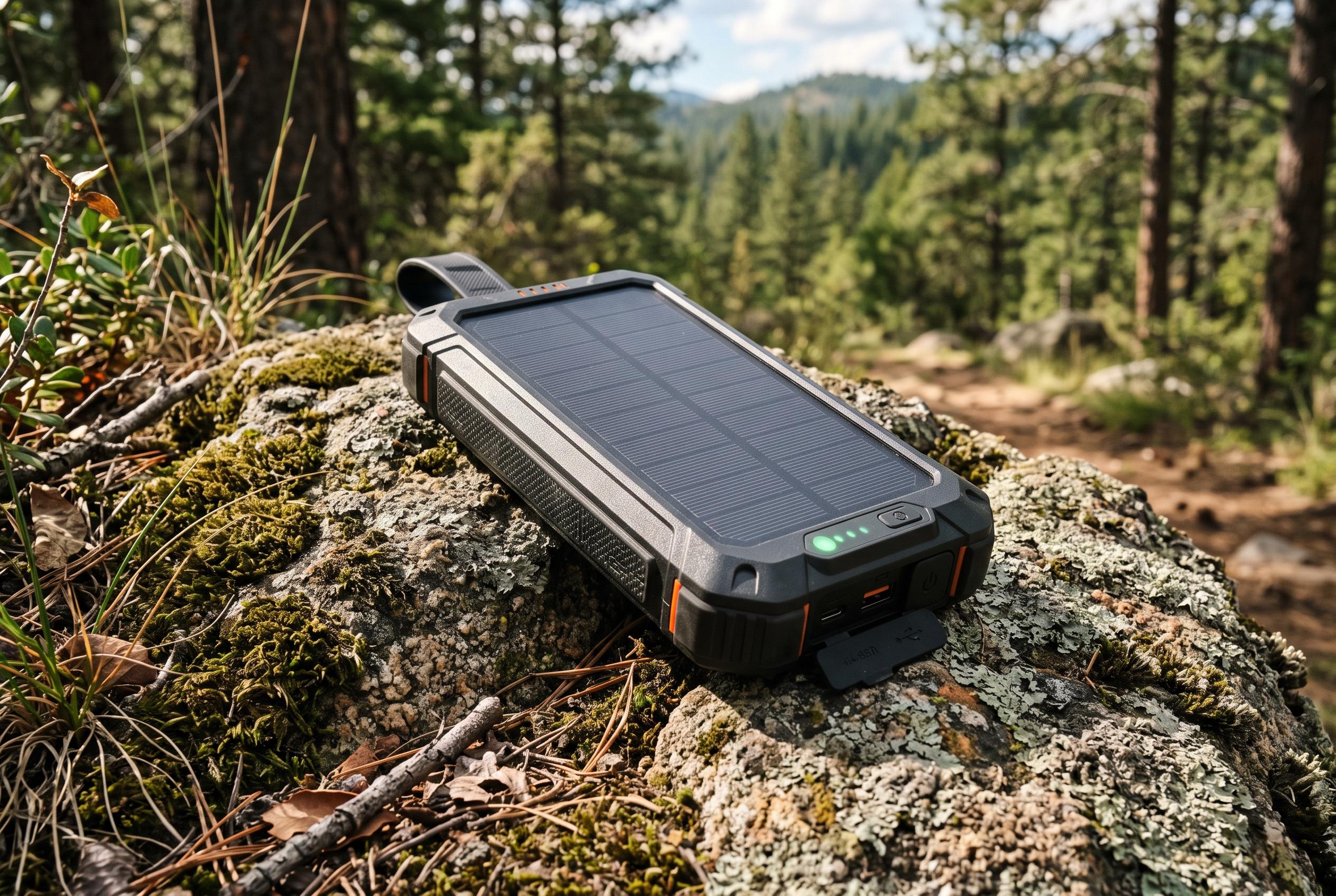
BLAVOR’s 20,000mAh solar power bank is pitched as a compact off-grid charger for travellers who want several backup options in one unit. In an orange ABS-and-PC shell, it combines a high-capacity battery, solar charging, a Qi wireless pad, two lights and a carabiner clip, while weighing about 1.7 pounds. TechEblog says the unit is priced at $39.94, down from $57, and its IPX5-rated build is meant to withstand damp conditions rather than indoor desk use.
The headline feature set is unusually dense for a power bank. According to the product details, it carries four attached cables: two USB-C leads, one Lightning connector and one USB-A cable. It also includes additional ports and a wireless charging area, with support for charging up to six devices at the same time. The USB-C output is listed at 20W, which should be sufficient for moderate phone charging rather than top-end fast charging. On the stated capacity, the pack should deliver several full smartphone charges, though actual results will vary with device size and wireless use.
Related listings and reviews describe the same BLAVOR family as aimed at outdoor use, with fold-out solar panels, a camping light, a flashlight and basic protection against overcharge, over-discharge, over-current and short circuit. That makes the device more of a rugged emergency accessory than a replacement for a wall charger. The key limitation remains solar input: as other reviews note, panel charging is slow and best treated as a backup rather than the primary way to refill the battery. For campers, hikers and anyone building a go-bag, that trade-off may be acceptable; for regular daily charging, it is less compelling.
Disclaimer: This content is intended for informational purposes only. Readers are advised to exercise their own judgement, conduct due diligence, or consult a qualified expert before acting on any information provided.