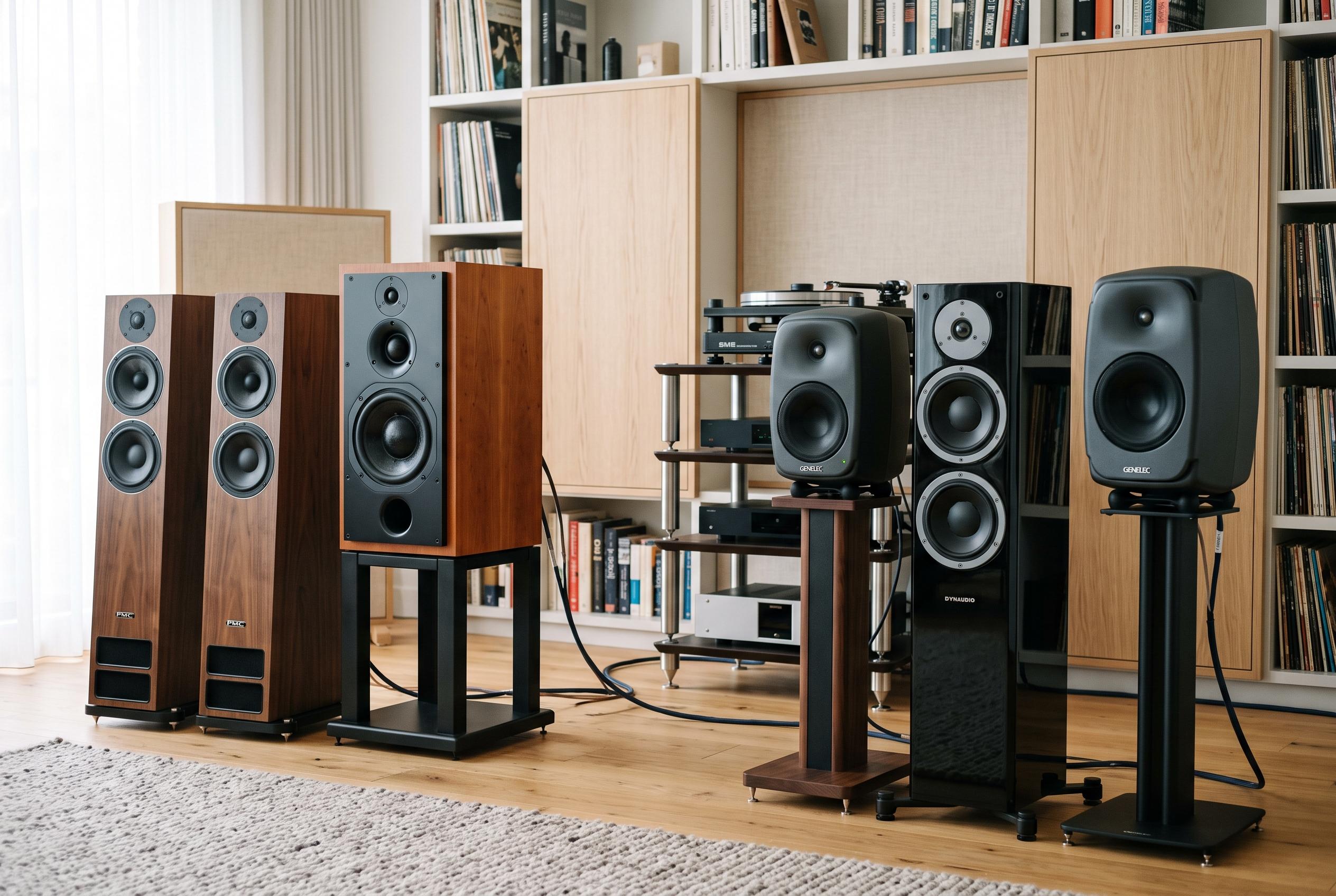

As manufacturers like PMC, ATC, Genelec and Dynaudio reveal design overlaps, the long-held divide between studio and home speakers is increasingly irrelevant, with many models now serving dual roles.
The boundary between studio monitors and hi-fi speakers is not as clear-cut as many buyers assume. Both are built to reproduce music convincingly, but they are usually optimised for different listening conditions and different expectations. What Hi-Fi? says it asked designers at PMC, ATC, Genelec and Dynaudio how they approach that divide, and the answer was less about a simple split between “accurate” and “enjoyable” than a set of trade-offs around balance, placement, amplification and finish.
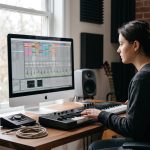
At the core of both categories is the same aim: to make recordings sound convincing. The difference is that studio monitors are generally intended to help engineers hear problems, judge mixes and work for long sessions at close range, while domestic speakers are usually voiced to suit home listening and to be pleasant over hours of use. Independent guides from Rising Tech, Tantrum Audio and Ooberpad echo that distinction, describing studio monitors as tools for neutrality and hi-fi speakers as products more often shaped by musical taste and room-friendly presentation.
That said, the line is increasingly blurred. PMC says its professional and home ranges share the same design principles, including clarity, low distortion and wide dispersion, though the professional models are more likely to be active systems with built-in amplification, EQ and setup controls. Genelec makes a similar case, arguing that modern active loudspeakers can serve both studios and living rooms, especially when room-response adjustment and digital correction are part of the package. The company also notes that some of its flagship monitors are now used in high-end domestic systems.
ATC takes a more direct position, saying the engineering behind its professional and consumer models is essentially the same, with differences appearing mainly in practical details such as grille choice, port placement and cabinet finish. Dynaudio, meanwhile, says the technical gap is also small, but that use case still matters: nearfield studio monitors need compact driver placement and do not always need the same output levels as larger domestic speakers. Across the brands, the recurring theme is that design choices flow from context rather than from a hard divide in sound quality.
In practical terms, that means buyers should think less about labels and more about how they will actually use the speaker. A studio monitor may be the better choice for desktop listening, production work or anyone who values forensic detail and predictable behaviour. A hi-fi speaker may suit someone who wants a more decorative product and a system shaped around domestic ease. But as What Hi-Fi? notes, the industry has reached a point where some of the best speakers do both jobs, which is why the old distinction is becoming harder to defend.
Disclaimer: This content is intended for informational purposes only. Readers are advised to exercise their own judgement, conduct due diligence, or consult a qualified expert before acting on any information provided.