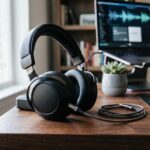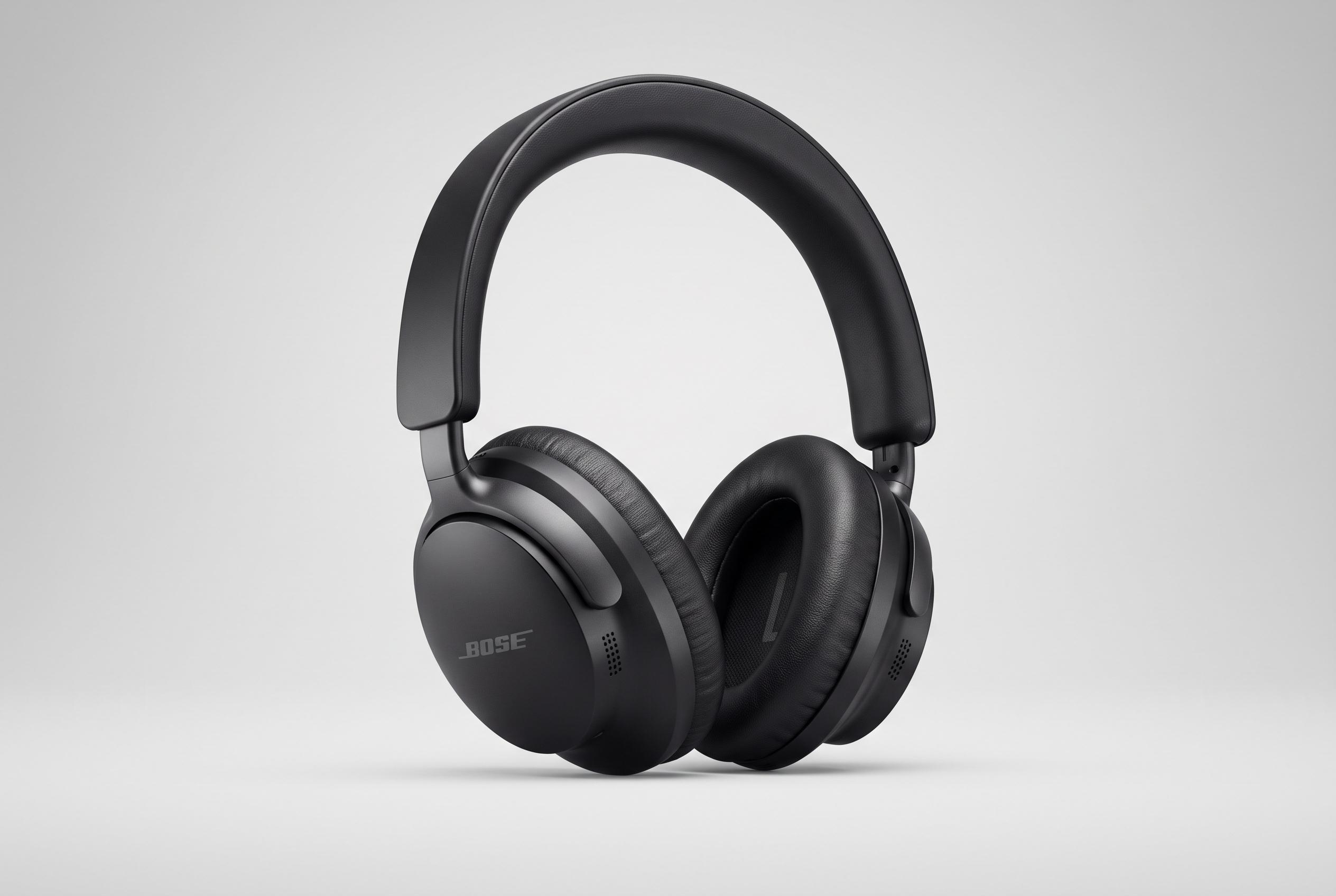

The latest noise-cancelling headphones review highlights Bose’s QuietComfort Ultra as the top choice for comfort and customisation, amidst a competitive market featuring premium, affordable, and specialised models for sleep and exercise.
For readers treating noise-cancelling headphones as a serious purchase rather than an impulse buy, the market now spans premium over-ear models, cheaper alternatives and specialist options for sleep or exercise. A recent round-up placed Bose’s QuietComfort Ultra at the top, chiefly because of its comfort, highly customisable controls and especially strong active noise cancellation. Independent reviews from TechRadar, Tom’s Guide and SoundGuys broadly support that view, describing the Bose set as exceptionally comfortable, easy to use and among the best performers for blocking outside sound, although they also note that battery life is only middling for a flagship product.
That combination matters because the best headphones now have to do more than mute noise. Bose’s second-generation QuietComfort Ultra adds extra battery life over the first model and keeps the same flexible app controls, including multiple listening modes and a fine-grained noise-cancellation slider. The app can also tailor the sound for different situations, from focused listening to cinema-style playback. For anyone who wants maximum adjustment without a complicated setup, that level of control is a major advantage.
Apple’s AirPods Max remain the obvious alternative for iPhone users who want strong noise cancellation with minimal effort. The latest review highlighted their automatic adaptive features, simple device pairing and conversational awareness tools, including a mode that lowers volume when speech is detected. They are not as customisable as Bose, but they are designed for users who prefer the headphones to make decisions for them. The main compromise is battery life, which lags behind some rivals.
Sony, Dyson and Nothing all offer convincing competition, but each appeals to a different buyer. Dyson’s OnTrac stands out for customisable styling and very long battery life, while still delivering serious sound quality and effective isolation. Nothing’s Headphone (1) is pitched as a value-led alternative with striking design, long endurance and physical controls that reduce dependence on an app. JBL’s Tune line also impressed for battery life and gaming-friendly features, including spatial sound modes and hearing protection settings.
The review also pointed to useful specialist models. Beats’ Powerbeats Pro are better suited to workouts than to all-day office use, because their secure fit and sweat resistance make them more practical for the gym. Soundcore’s sleep-focused earbuds take a different route entirely, using a low-profile design, snore masking and ambient audio to help users block out bedroom noise. In other words, the best product depends on where and how the headphones will actually be used.
What distinguishes the Bose model from most of the field is not just the strength of the noise cancellation but the way it can be tuned. The review found the earcups comfortable for long sessions, the storage case genuinely protective, and the on-device controls easy to use without reaching for a phone. That matters in daily life, where a good pair of headphones should disappear into the background rather than demand constant management. For a buyer who wants one premium pair to cover commuting, work and travel, that balance still looks hard to beat.
At the same time, the wider market now offers stronger reasons to look beyond a single flagship. Tom’s Guide has argued that Bose’s standard QuietComfort headphones are better value for most people than the Ultra model, while What Hi-Fi? recently suggested that Sony’s WH-1000XM6 offers better overall sound and call quality, even if Bose still leads on cancellation. That leaves the category unusually competitive: Bose may remain the safest all-round recommendation, but it is no longer the undisputed answer for every listener.
Disclaimer: This content is intended for informational purposes only. Readers are advised to exercise their own judgement, conduct due diligence, or consult a qualified expert before acting on any information provided.