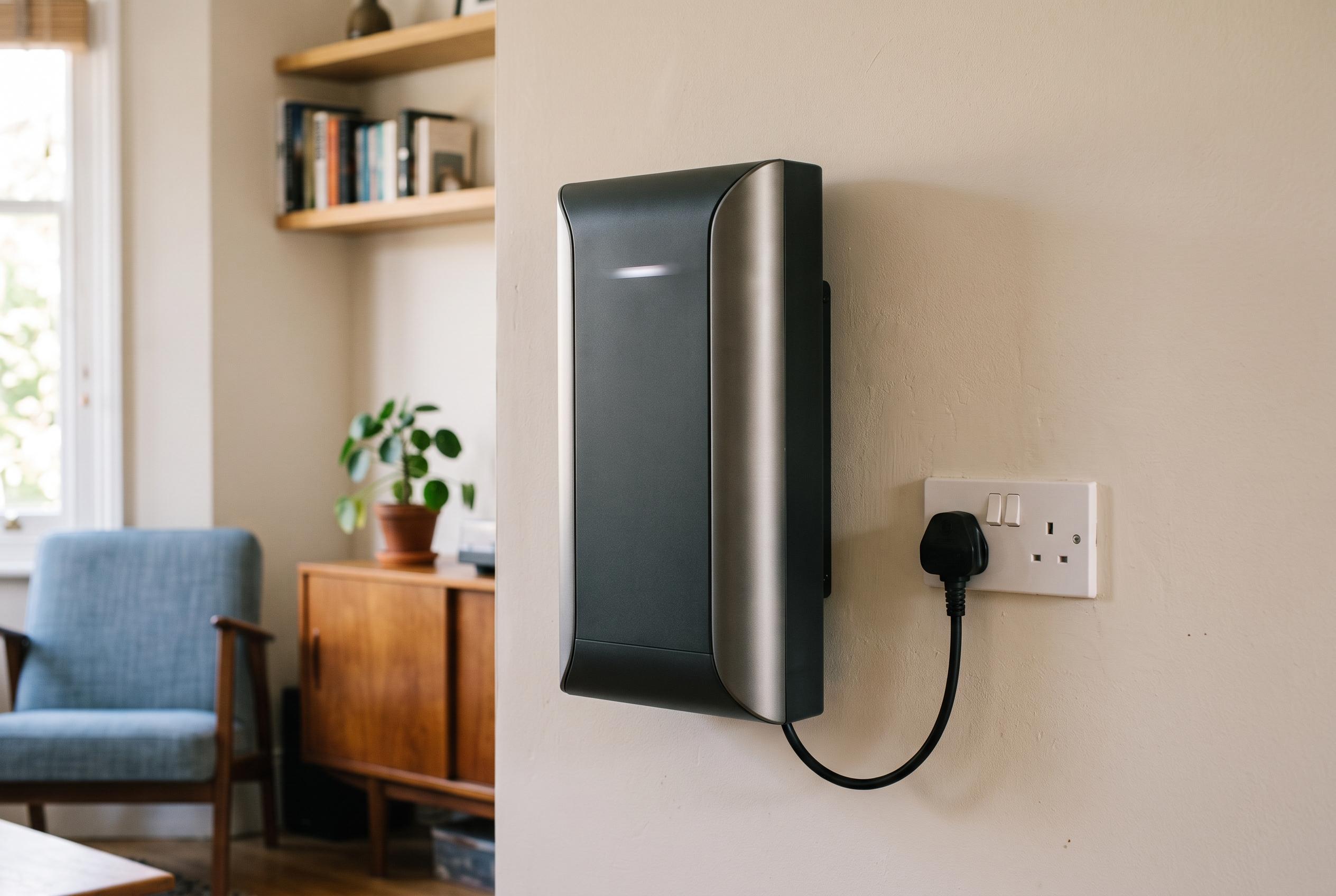

As demand for affordable and flexible home energy storage grows, Britain advances with regulatory approval for solar kits, leaving plug-in batteries in a legal grey area crucial for households seeking cost-effective solutions.
Plug-in home batteries are emerging as the next stage of domestic energy technology in Britain, arriving just as plug-in solar kits are about to become legal from 27 August 2026. While the solar products have been given a regulatory route to market, batteries that charge from the grid and discharge into the home remain outside the new framework, leaving a gap between consumer demand and formal approval.
The appeal is straightforward. These compact systems are designed to charge when electricity is cheapest, usually overnight, then release power during more expensive evening periods. That can reduce bills without requiring rooftop panels, specialist roof access or the kind of fixed installation that usually makes home batteries expensive and awkward for renters.
Manufacturers and industry figures are now pushing hard on that point. Windfall Energy says its 2.5 kWh unit could save about $338 a year, while Anker says its 5 kWh Solarbank 4 could save around $537 through off-peak charging. TechRadar has reported that Octopus Energy, Anker, EcoFlow and Windfall are all positioning products for a market that could be especially attractive to flat owners and households without suitable roofs.
Price is part of the story, but so is mobility. Octopus has said its Nook Cube, due from 2027, will be a 2 kWh plug-in unit that can be expanded to 10.5 kWh and controlled through an app. By contrast, installed battery-only systems already listed by Octopus cost far more, which helps explain why plug-in devices are being marketed as a lower-cost entry point for households that have previously been excluded from home storage.
The regulatory picture, however, is still incomplete. UK rules taking effect on 27 August create a compliance route for plug-in solar equipment, with UKSOL becoming the first company to secure approval for such kits. But government guidance and industry summaries say that battery storage is excluded, meaning plug-in batteries do not yet have a dedicated British approval process and cannot simply ride on the solar framework.
That distinction matters for safety as much as legality. The government says domestic batteries carry an unavoidable fire risk, even if the risk can be reduced through standards, testing and proper installation. Existing fixed systems are covered by consumer-product rules, fire-safety requirements and installation standards, but plug-in batteries would still need clear guidance on siting, thermal protection, electrical isolation and user instructions before they could become a mainstream product.
For now, the technology looks commercially promising but regulatorily unfinished. Germany’s experience with balcony solar shows that simple plug-in energy products can spread quickly when the rules are clear, yet even there, storage has required additional standard-setting. Britain appears to be following a similar path: solar first, batteries later, and only once the safety case has been properly defined.
Disclaimer: This content is intended for informational purposes only. Readers are advised to exercise their own judgement, conduct due diligence, or consult a qualified expert before acting on any information provided.