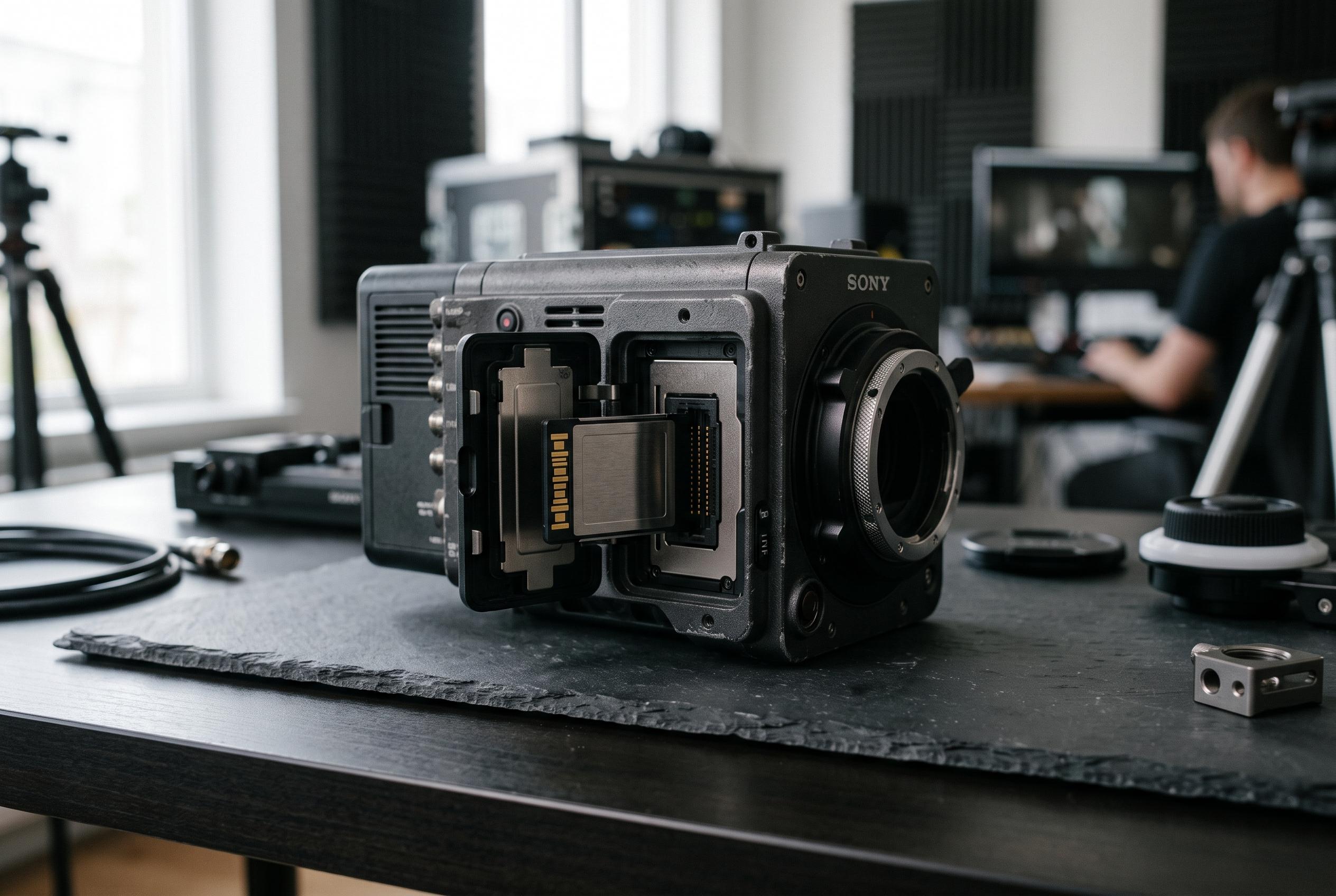

As 2026 sees a surge in advanced camera models, CFexpress Type B cards are now essential for high-resolution, high-bitrate video recording, with new options balancing speed, durability, and value for professional users.
CFexpress Type B has become the default high-speed media for professional mirrorless and cinema cameras because it can cope with the data demands of large RAW stills and high-bitrate video. In practice, that means cameras such as the Canon EOS R5 Mark II, Nikon Z8 and Z9, Fujifilm X-H2S, Sony’s advanced bodies and RED cinema systems rely on it to sustain long bursts and uninterrupted 8K recording, while CFexpress 4.0 cards now push theoretical read speeds to around 3,700MB/s.
The central point for buyers, however, is that headline speed is not the whole story. Several current cameras still use PCIe Gen3 internals, which means real in-camera write performance is typically far below the maximum numbers printed on the box. That is why sustained write speed, thermal control and VPG certification matter more than peak burst figures for working shooters, especially when recording 8K RAW or high-frame-rate video.
Among the current premium options, Lexar’s Professional DIAMOND line is presented as the strongest all-round performer, combining top-tier read and write figures with VPG-400 certification and a claimed sustained write rate of 3,200MB/s. Delkin Devices’ BLACK 4.0 is positioned as the durability choice, with rugged construction and a 48-hour replacement promise for professionals who cannot afford downtime on location.
Value-driven buyers are being steered towards Angelbird’s AV PRO SE 4.0, which offers large capacities, including 4TB, and strong sustained performance at a lower cost per gigabyte. ProGrade Digital’s Cobalt 4.0 takes a different approach, using SLC NAND for endurance and consistent throughput, while Lexar’s GOLD 4.0 sits below the flagship Diamond card as a mainstream option that balances speed, capacity and price.
Taken together, the 2026 field shows a clear split between absolute performance, durability and value. The best card for any one user depends less on the highest advertised transfer rate than on the camera body, the recording format, the expected shoot length and whether the card will spend more time recording in-camera or unloading to a workstation through a USB4 or Thunderbolt 4 reader.
Disclaimer: This content is intended for informational purposes only. Readers are advised to exercise their own judgement, conduct due diligence, or consult a qualified expert before acting on any information provided.