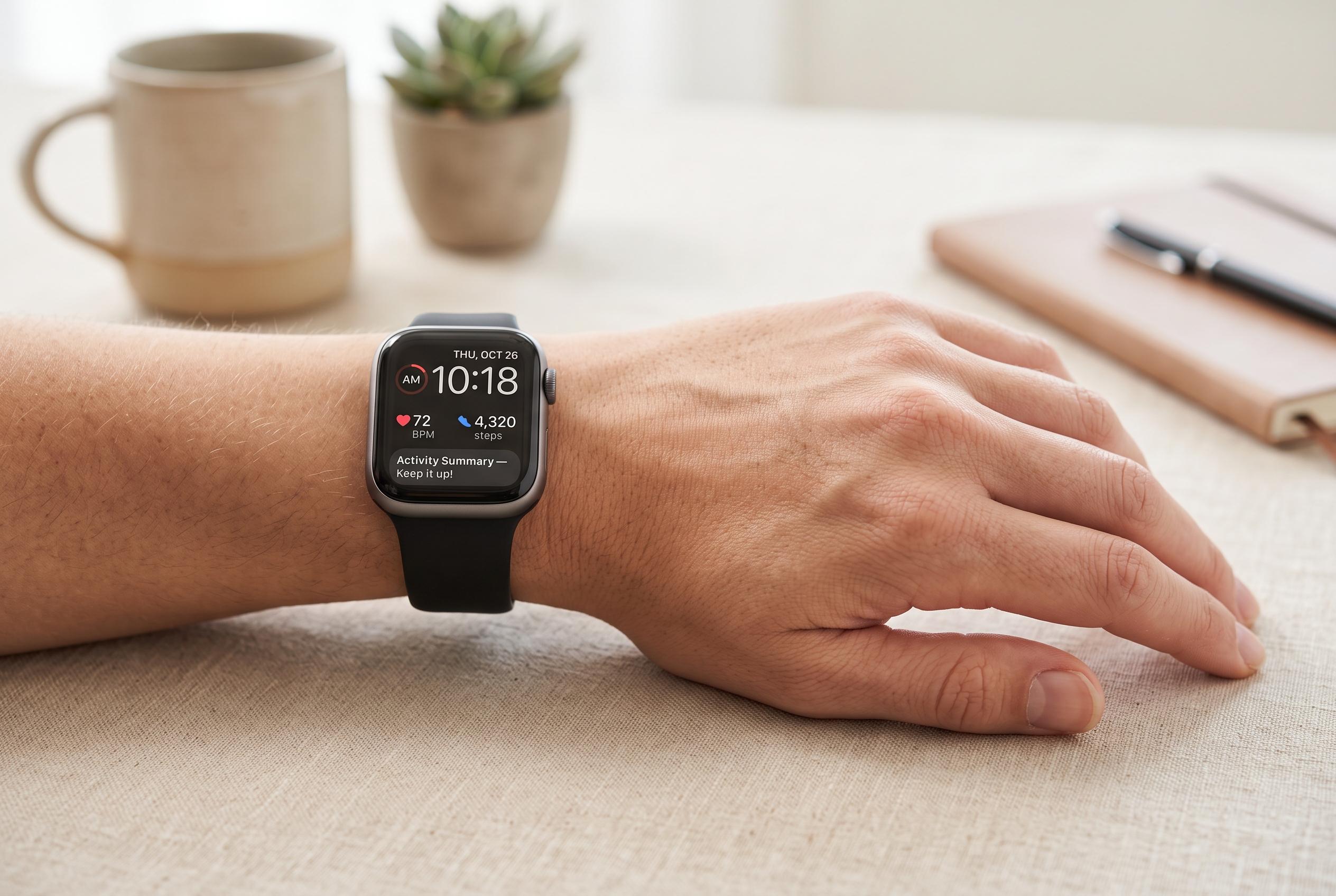

For those buying a smartwatch for the first time, selecting a device that matches the smartphone and intended use is crucial. Compatibility often trumps features, whether for daily notifications or fitness tracking, influencing overall user experience.
Buying a smartwatch for the first time is less about collecting features than matching the device to the phone and the task. VIVA says the most useful starting point is compatibility, because a watch may look attractive on paper yet fail to deliver key functions if it is not designed to work properly with the user’s smartphone. Independent buying guides echo that point, noting that cross-platform support can be limited and that some ecosystem combinations simply do not pair well.
For everyday use, the priority is often convenience rather than advanced training tools. The appeal of a smartwatch for office or general users is simple: notifications, calls and basic app alerts can be checked from the wrist, reducing the need to reach for a phone. But those functions still depend on the watch and handset supporting the same software features, so a buyer should check whether message alerts, reply options and call handling are actually available on the chosen combination.
If the watch is mainly for sport, GPS and sensors matter more than style. Watches aimed at runners, cyclists and outdoor users are built to record routes, estimate distance and track training data more accurately. That is why specialist models from brands such as Garmin are often pitched at people who want navigation and detailed workout metrics, rather than general lifestyle features.
Health tracking is another area where buyers should stay cautious. Modern smartwatches can monitor heart rate, blood oxygen and sleep patterns, but they are not medical devices in the full diagnostic sense. The practical reading is that they are useful for trends and personal awareness, not a substitute for clinical assessment when symptoms need proper attention.
Disclaimer: This content is intended for informational purposes only. Readers are advised to exercise their own judgement, conduct due diligence, or consult a qualified expert before acting on any information provided.