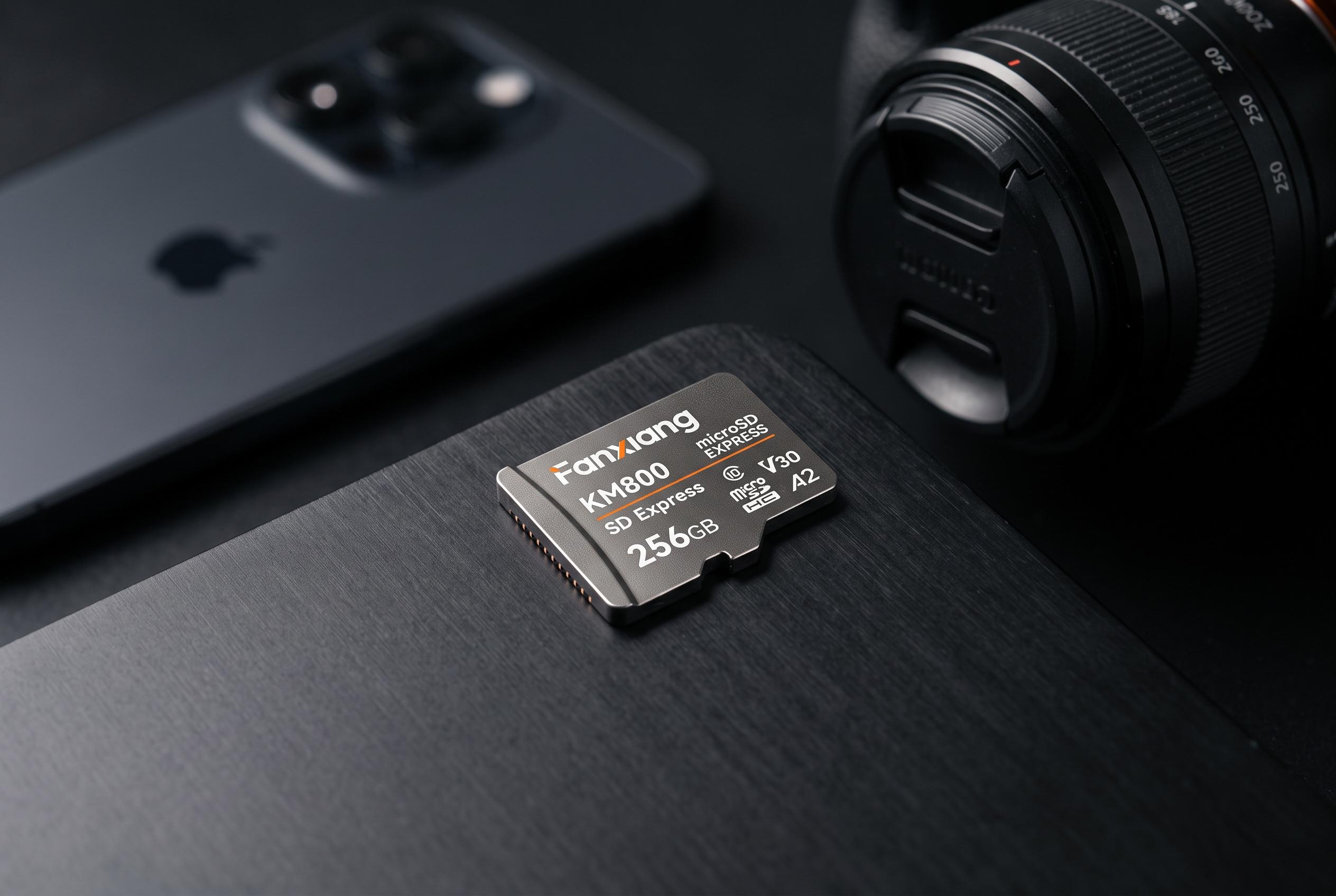

Fanxiang’s KM800 microSD Express card combines high performance with durable design, targeting users seeking portable storage for demanding applications while highlighting the importance of device compatibility for unlocking its full potential.
Fanxiang’s KM800 sits at the junction of old and new storage. It keeps the familiar microSD shape, but adds support for the newer microSD Express standard, which is intended to lift performance well beyond conventional cards when paired with compatible hardware. In the 256GB version tested by WalasTech, the card is aimed at users who need portable storage for games, media and large files, while also wanting a path towards faster next-generation devices. Notebookcheck has noted that microSD Express cards can run hot under load, underlining that compatibility and thermal behaviour both matter as the standard matures.
Fanxiang says the KM800 is available from 128GB to 1TB, with quoted peak speeds of up to 900MB/s read and 810MB/s write. It also carries Class 10, U3, V30 and A1 ratings, and Fanxiang pairs those claims with a five-year warranty and resistance to water, dust, impact, temperature extremes, X-rays and magnetic exposure. Separate product listings and coverage have echoed those headline specifications, with some also pointing to use cases such as handheld gaming, 4K video recording and other demanding workloads.
WalasTech’s testing, however, showed a more grounded picture when the card was used through ordinary microSD connectivity on a tablet and a PC. Sequential speeds were consistent, but much lower than the advertised maximums: tablet testing produced results in the high 70MB/s to low 80MB/s range for reads and writes, while CrystalDiskMark on PC returned sequential figures a little above 80MB/s in repeated runs. That is not a failure of the card so much as a reminder that microSD Express hardware is needed to unlock its main advantage; through conventional readers, the KM800 is bound by the limits of the host device rather than its own full specification.
That context is crucial for buyers. If a device already supports microSD Express, the KM800’s appeal rises sharply, particularly for handheld gaming and for users moving large files between modern devices. If the hardware only accepts standard microSD operation, the card still works and delivers steady everyday performance, but the premium for the Express interface may be harder to justify. Coverage from other outlets has suggested the standard is still in an early adoption phase, with limited device support slowing wider take-up even as card makers continue to push it.
The result is a card with a clear audience: buyers who want compact storage now, but expect to move into newer hardware later. The 256GB model offers enough room for games and media, while the higher capacities give the KM800 a broader appeal for users with more ambitious storage needs. What remains less clear is endurance, as no published TBW figure was identified in the material reviewed, so heavy-write users may want to wait for more long-term data before treating it as a primary workhorse. For everyone else, the KM800 looks like a sensible bridge between standard microSD convenience and the higher-speed future of the format.
Disclaimer: This content is intended for informational purposes only. Readers are advised to exercise their own judgement, conduct due diligence, or consult a qualified expert before acting on any information provided.