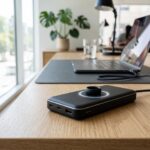

Google launches its Pixel Tag as the company’s answer to Apple’s AirTag, featuring UWB support and Google’s Find Hub network, but faces stiff competition from more versatile alternatives like Chipolo and Pebblebee.
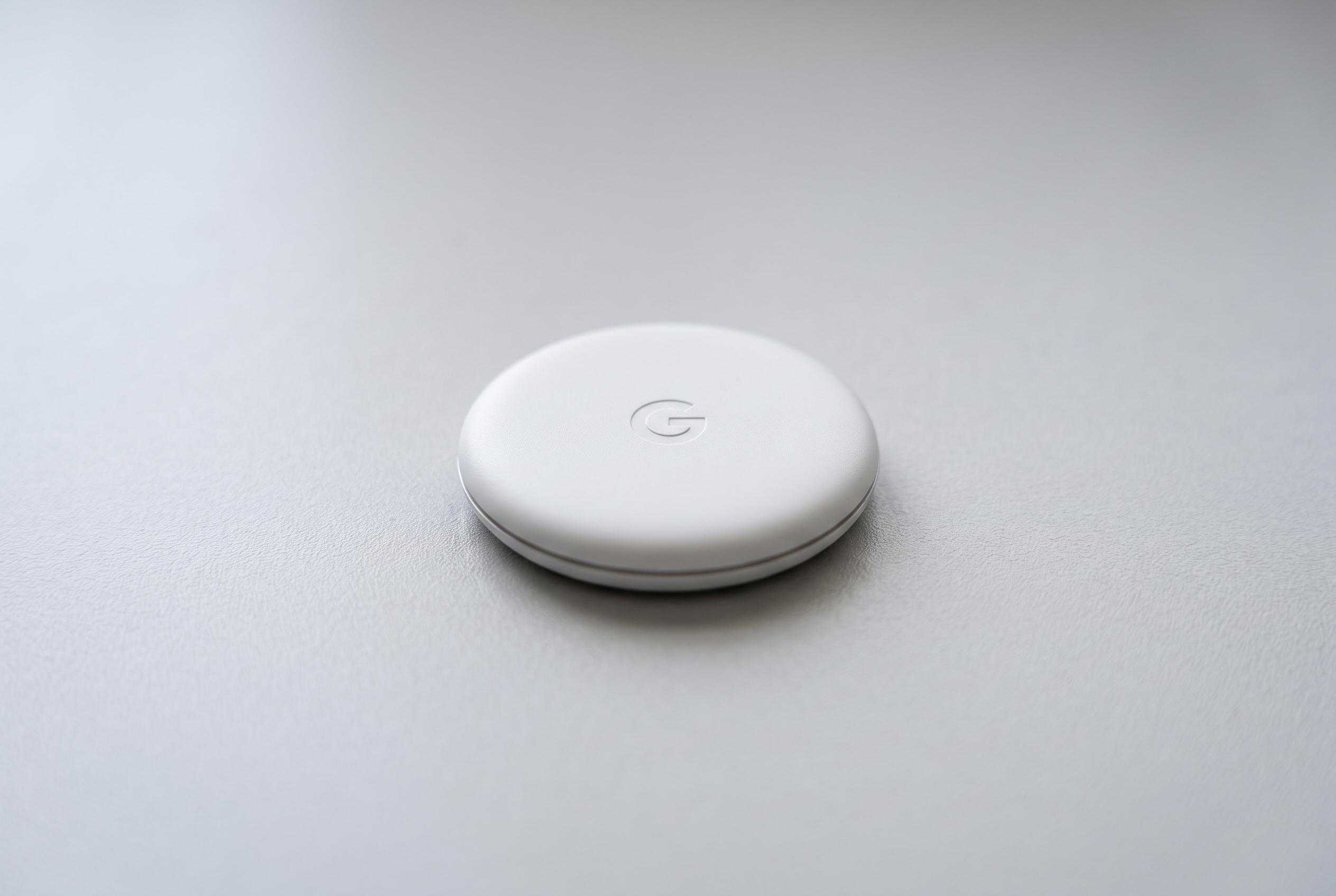
Google’s long-awaited Pixel Tag is finally official, and it arrives on 11 November as the company’s first serious answer to Apple’s AirTag. According to Android Central, it uses Google’s Find Hub network, supports Fast Pair on Android 9 and later, and is priced at $29 for one tag or $99 for a four-pack. The device also includes Ultra Wideband and Bluetooth Channel Sounding, which should improve close-range locating.
But the Pixel Tag is not an automatic best buy. Its thin oval body, replaceable CR2032 battery and IP67 rating make it broadly competitive, yet the design still leaves compromises. It lacks a built-in keyring loop, which means many users will need an extra accessory, and it remains less adaptable than card-shaped trackers for wallets. Android Central notes that it can be shared with up to 10 people and can ring a phone from its button, but those are not enough to make it the most flexible choice for every use case.
Chipolo’s Loop is the strongest alternative for most people who want more practical features. Chipolo says the Loop uses Bluetooth 6.0, USB-C charging and IP67 protection, while Android Central and Chipolo both point to Channel Sounding support as a way to improve location accuracy without relying on UWB. In practice, the appeal is simpler: it has a built-in loop, strong sound, reverse phone ringing, left-behind alerts and custom ringtones in Chipolo’s app. For users who also want a wallet option, the matching Card model keeps the same approach in a flatter form.
Pebblebee’s Clip 5 is better suited to travellers and people who value safety functions. Android Central’s broader tracker roundup places Pebblebee among the strongest Android and iPhone-friendly choices, while Chipolo’s interview-style coverage highlights the company’s move towards USB-C charging and BLE 6 support in the same category of devices. The Clip 5 also adds a built-in LED and Pebblebee’s emergency alert tools, which can share location information if a user needs help. That makes it less of a pure locating device and more of a mixed-purpose safety accessory.
For buyers who insist on UWB and want a tracker closer to the AirTag in size and mounting options, Moto’s Tag line remains relevant. According to Android Central, the Pixel Tag’s UWB support is one of its headline features, but the broader market still offers competing devices with different strengths, including longer battery life, stronger water resistance or better compatibility with AirTag cases. The main point is that Google has entered a crowded market rather than defined it. For many users, the best tracker will depend less on brand loyalty than on whether they prioritise charging, form factor, cross-platform support or extra functions.
Disclaimer: This content is intended for informational purposes only. Readers are advised to exercise their own judgement, conduct due diligence, or consult a qualified expert before acting on any information provided.