
Google’s new screenless Fitbit Air now works seamlessly with iPhone, expanding its appeal beyond Android devices, though full data integration with Apple Health is still in progress.
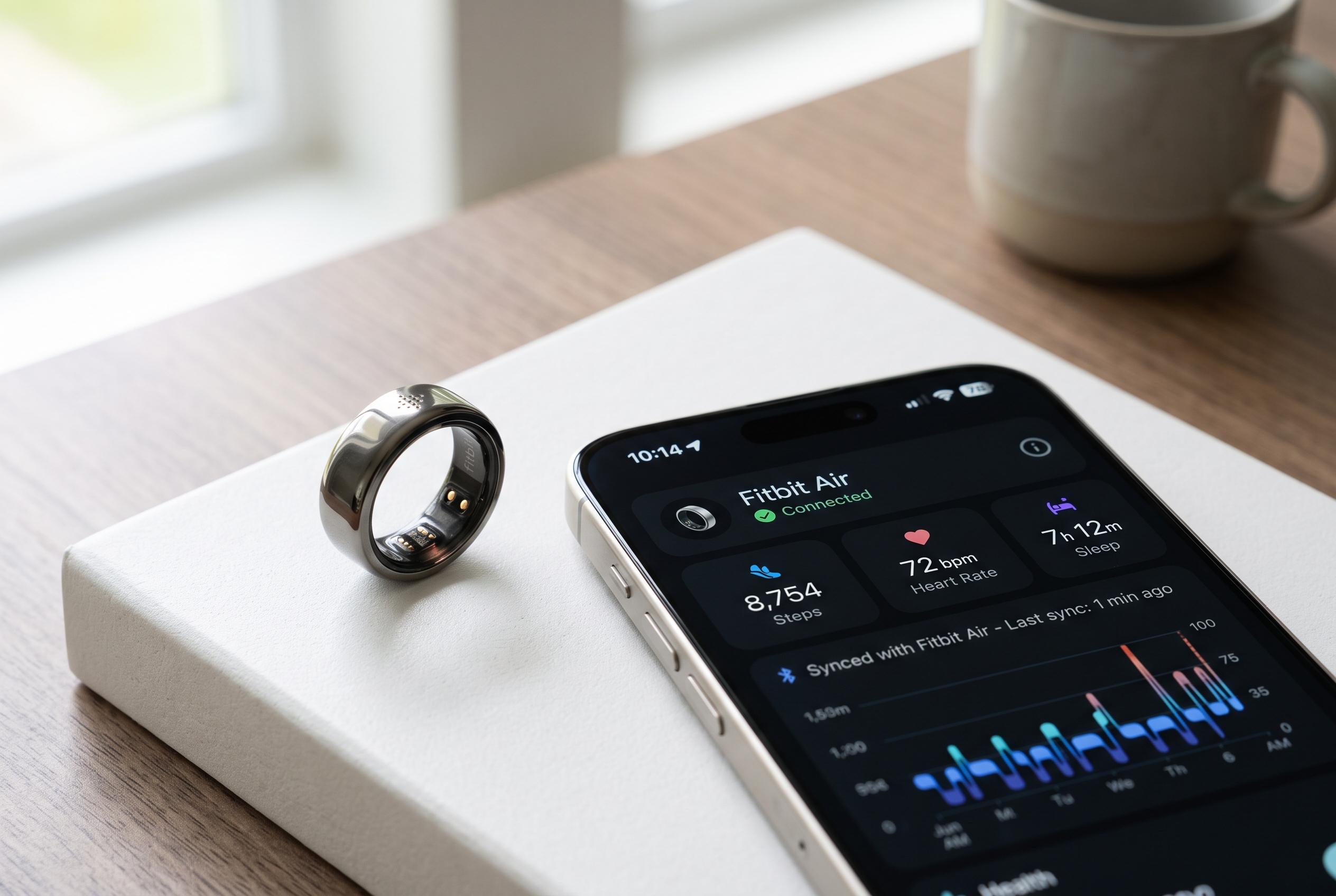
Google’s screenless Fitbit Air appears to work almost as smoothly with an iPhone as it does with Android, extending the appeal of the tracker beyond Google’s own handset ecosystem. In testing with an iPhone 16 Pro, setup was straightforward: the app recognised past readings, paired the device without friction and quickly resumed health tracking. Google’s support material says Fitbit devices sync automatically throughout the day when the phone is nearby and the app is opened, which helps explain the low-maintenance experience.
The shift matters because Google has now rebranded the Fitbit app as Google Health on iPhone as well as Android. The App Store listing shows that the app is available on iOS, with support for health tracking, coaching and device integration. Google’s help pages also say the app can connect with Fitbit hardware and other services, including Apple Health, Garmin, Samsung, Whoop and Oura, through direct links or Health Connect, depending on the platform.
One limitation still stands out: data flow is not yet fully symmetrical. Google’s help information and recent reporting indicate that Google Health on iPhone can pull data from Apple Health, but writing Fitbit Air data back into Apple Health was not available at the time of the review. The help pages say that export is planned for later this year, which suggests Google is still filling in the gaps in its cross-platform health strategy.
That makes the AI coaching tier more significant. Google Health Premium, which costs ¥1,580 a month or ¥13,000 a year, includes the Gemini-powered health coach, and that service is now available to iPhone users too, according to reporting by MacRumors. Google’s own support material describes the feature as part of the Premium offering, aimed at people who want guided insight rather than just passive tracking.
For iPhone owners who prefer a simpler band over an Apple Watch, Fitbit Air now looks like a credible option. It should also suit Apple Watch users who want to wear a lighter device overnight for sleep monitoring. The main unresolved issue is whether Google completes the promised Apple Health export, because that would make the cross-platform case considerably stronger.
Disclaimer: This content is intended for informational purposes only. Readers are advised to exercise their own judgement, conduct due diligence, or consult a qualified expert before acting on any information provided.