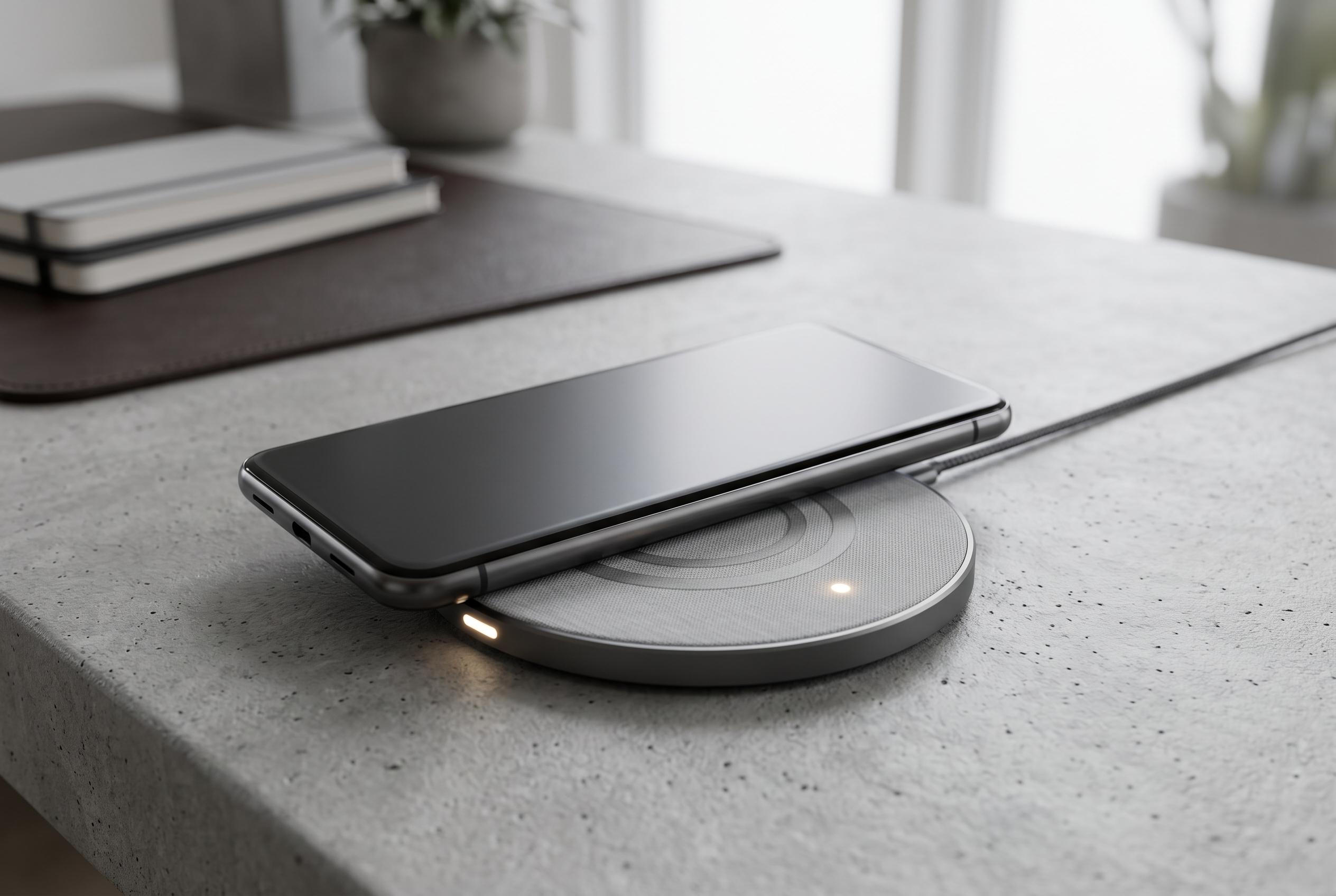

The Pixel 10 introduces magnetic wireless charging with Qi2 integration, but users encounter compatibility problems, slower speeds, and loss of reverse charging, marking a disruptive shift for Android’s familiar charging ecosystem.
Google’s Pixel 10 has arrived with the long-promised magnetic wireless charging that Android users have watched Apple normalise for years. The company has built Qi2 magnets into the handset itself, giving it native alignment with Qi2, MagSafe and Google’s own Pixelsnap accessories. On paper, that makes the latest Pixel family look like a clean break from the case-based workarounds that defined earlier Android phones. In practice, the transition is proving far less tidy.
According to Android Central, the Pixel 10 range is not uniform in what it can do: the standard Pixel 10 supports 15W wireless charging, while the Pixel 10 Pro XL rises to 25W through Qi2.2. Google has also increased wired charging and battery capacity across the line, with the base model rated at 29W wired charging and a 4,970mAh battery. Those are respectable figures, but they do not guarantee good results with older charging pads.
Google’s own support pages make the catch explicit. Older Qi chargers will connect, but the Pixel 10 can fall back to speeds as low as 5W, and Google recommends using a Qi2-certified charger for the best performance. That is the technical heart of the complaint: many existing pads do not negotiate cleanly with the new magnetic profile, so a charger that once delivered a useful rate may now behave like a basic legacy accessory.
The problem is more visible in real-world setups than in laboratory-style specifications. Early buyers have told Business Standard that some Pixel 10 devices stop charging part-way through a session or charge slowly on Qi and MagSafe-compatible pads. Android Police reported that the issue is especially awkward in cars, where built-in wireless pads in recent vehicles often use older standards and cannot be swapped out. For drivers relying on Android Auto, 5W fallback charging may not keep pace with the phone’s own power draw.
There is also a wider cost to the shift. Android Central reported that Google has removed Battery Share, its reverse wireless charging feature, and attributed the change to the magnet array needed for Qi2 alignment. That means the move to magnetic charging brings both gains and losses. Users who want the intended experience may need a new charger, a Qi2-compatible case and, in some cases, a full replacement for existing pads that still work perfectly with older phones. What was sold as a simple upgrade is, for many owners, turning into an expensive migration.
Disclaimer: This content is intended for informational purposes only. Readers are advised to exercise their own judgement, conduct due diligence, or consult a qualified expert before acting on any information provided.