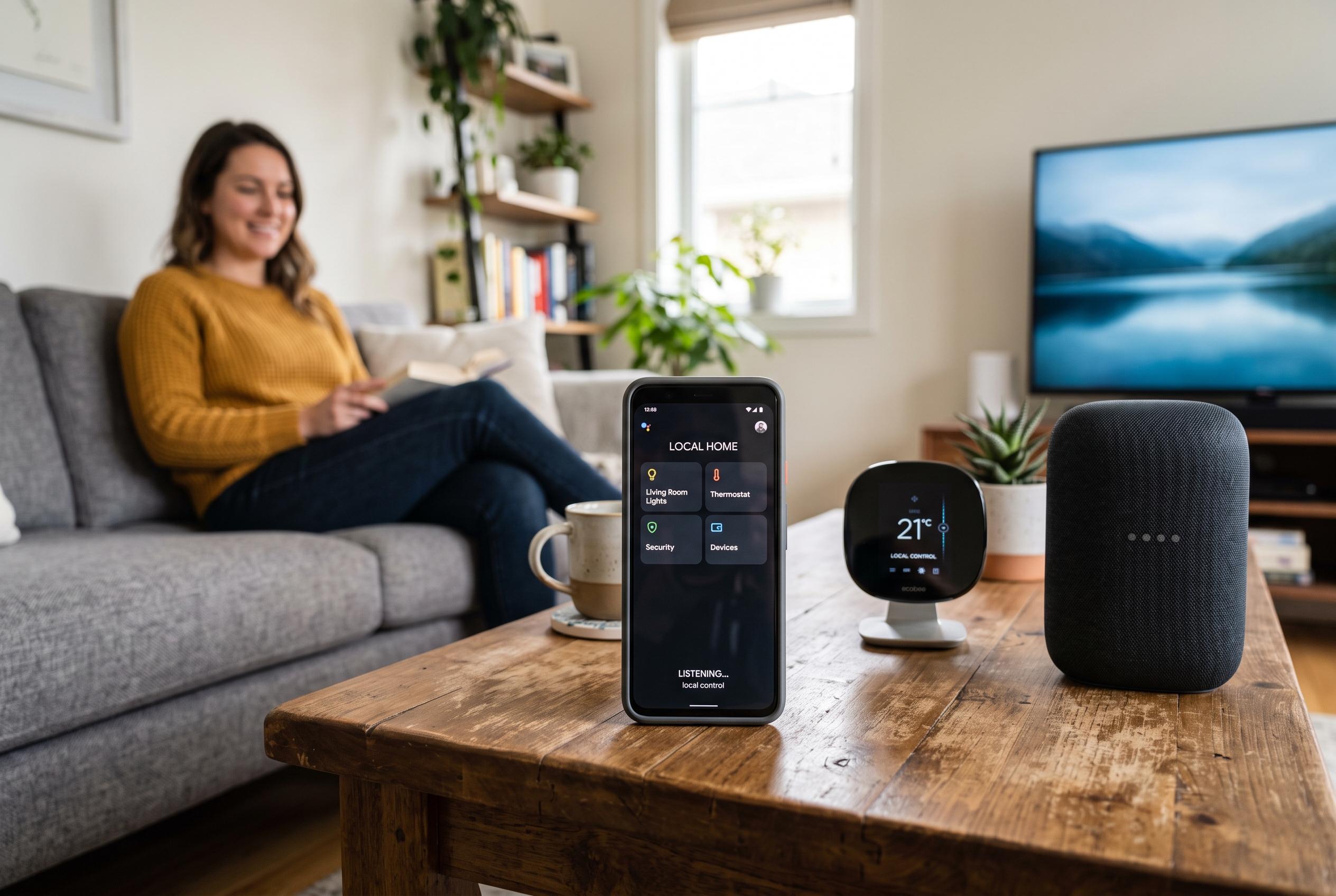

The latest update to Home Assistant enables Android devices to serve as dedicated, locally controlled voice assistants, turning unused phones into affordable and private smart home control points without relying on cloud services.
Home Assistant’s latest release gives Android users an unusual new role for an old handset: a locally controlled voice satellite for the smart home. According to the Home Assistant 2026.3 release notes, the open-source platform has added support for using an Android phone as a voice assistant, with wake-word recognition handled on the device itself rather than through a separate smart speaker. That makes the feature especially appealing to people with an unused phone in a drawer and a few smart home devices they want to control more directly.
The setup runs through the Home Assistant Companion app. Home Assistant’s Android voice-control guide says users must install the app, set Home Assistant as the phone’s default assistant and then enable the voice feature from within the companion settings. Once configured, the phone can respond to supported wake words and accept spoken commands for lights, plugs and routines. Home Assistant also says the companion app is free, open source and available through Google Play.
The appeal is practical as much as technical. The platform’s own documentation makes clear that Assist works best when the user limits it to the devices they actually need, rather than exposing every sensor and entity in the house. That advice matters because a large, crowded smart home can make voice control slower and less reliable. In other words, this is less about replacing a full voice assistant ecosystem than about building a focused control point for everyday tasks such as switching off bedroom lights or starting a bedtime routine.
A smartphone, however, is still not the same as a purpose-built smart speaker. Devices such as Amazon Echo or Google Nest Mini are designed with multiple microphones and noise-reduction systems that help them hear across a room. A phone is optimised for near-field use, so the experience is strongest when it sits on a bedside table or desk. Users who have tried the feature have reported that it performs well at close range but becomes less dependable across a room, particularly with background noise.
Battery life is the other trade-off. A handset that listens for a wake word all day will draw more power, and that can matter if the device is older. Even so, the feature may be more attractive than buying another speaker, particularly for people who already run Home Assistant and want a cheap, contained way to add voice control in one room. It is also a reminder of how Home Assistant continues to lean into openness: Android users can turn old hardware into a useful control point, while the company’s iPhone support does not offer the same always-on assistant behaviour.
Disclaimer: This content is intended for informational purposes only. Readers are advised to exercise their own judgement, conduct due diligence, or consult a qualified expert before acting on any information provided.