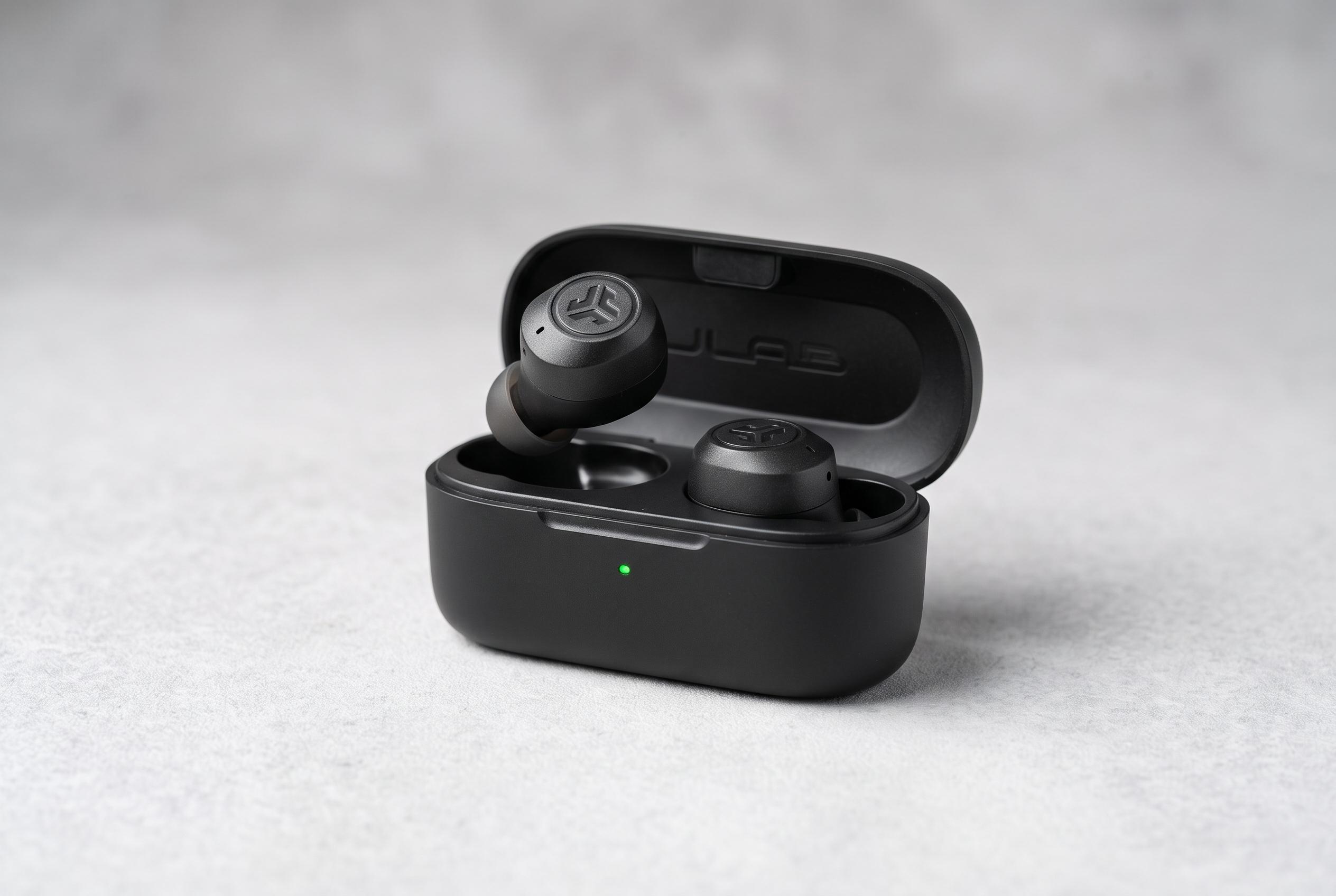

The JLab Go Air Pop+ offers a balanced blend of long battery life, comfort, and affordability, making it an ideal choice for students navigating campus life, with other models catering to specific needs like noise cancellation and durability.
For students weighing price against everyday practicality, the JLab Go Air Pop+ remains one of the clearest value propositions in this field. The model’s appeal is straightforward: long battery life, a compact form factor and customisable sound without pushing into premium pricing. RTINGS says the original Go Air Pop delivers roughly nine hours of continuous use, while TechRadar and Tom’s Guide both note that the earbuds are light, comfortable and easy to live with for extended wear, even if the control system is not flawless. That combination makes the JLab line a sensible default for lectures, commutes and study sessions.
What distinguishes the better student options is not simply cost, but whether they solve the practical problems that come with campus life. Battery life matters because earbuds are often used across a full day of classes, revision and travel. Durability matters because they are frequently thrown into bags and exposed to rain, sweat and dust. And fit matters because a student may wear them for hours at a time. In the wider market, the strongest contenders are those that balance all three without becoming bulky or difficult to use.
For students who spend time in noisy libraries, shared housing or busy transport, noise isolation is a key differentiator. Tom’s Hardware’s review of the HyperX Cirro Buds Pro found that its microphone array and noise cancellation are useful, though not exceptional, which is a useful reminder that marketing claims often exceed real-world gains. Tom’s Guide’s 2025 noise-cancelling earbuds guide also shows how much stronger premium active noise cancellation can be, but at a higher price. For many students, a well-sealed earbud with decent passive isolation will still be the better compromise.
Comfort can matter more than raw specification sheets. What Hi-Fi? recently highlighted the Shokz OpenDots One as an open design aimed at users who want situational awareness, with a lightweight build and IP54 resistance, but without active noise cancellation. That sort of trade-off will suit some students who walk across campus or cycle to class, but it is less appropriate for those who need to shut out background noise during revision. The broader lesson is that the best earbud is often the one that matches the environment, not the one with the most features.
Among the student-focused models in the list, the JLab Go Air Pop+ stands out for value, while the wireless earbuds with a noise-cancelling microphone are better suited to calls and remote classes. TOZO A1 is a practical choice for smaller ears, and the HAOYUYAN model is clearly aimed at users who want maximum endurance and strong water resistance. That spread reflects a broader truth across the category: budget earbuds can be excellent, but the best pick depends on whether the user prioritises battery life, comfort, call quality or durability.
For most students, the safest buying strategy is to treat battery life, fit and build quality as the core requirements, then add noise cancellation or advanced sound controls only if they solve a real problem. In that light, the JLab Go Air Pop+ remains one of the most balanced options, while the better-equipped alternatives make sense for more specific use cases such as travel, outdoor activity or frequent online calls.
Disclaimer: This content is intended for informational purposes only. Readers are advised to exercise their own judgement, conduct due diligence, or consult a qualified expert before acting on any information provided.