
A new lighting-based allergen detection system promises to offer families with food allergies an extra layer of protection by monitoring airborne particles and surfaces in real time, integrating seamlessly with smart home devices.
The idea behind a kitchen-mounted allergen detector is straightforward: move allergy checks from the packet and the plate into the cooking space itself. The product described as kitchen lighting food alergies detector notintheki is presented as a lighting-based system that scans air and surfaces, flags possible allergen risks and sends alerts to phones and connected kitchen devices. Its pitch is that families living with food allergies need an extra layer of warning when ingredients, utensils and worktops can all become points of cross-contact.
That need is not theoretical. In busy homes, traces of peanut, milk, egg, wheat or other trigger foods can move from one surface to another with ease, while airborne particles from cooking can linger long enough to matter for highly sensitive people. The lead article argues that a smart light can help by detecting residue or particles before food is served. It is best understood as a support tool rather than a replacement for labels, cleaning, training or medical advice.
The product concept borrows from a wider wave of food-allergy detection technology. Amulet says its wearable detector can identify allergens at the table in about one minute, with readings shown on the device and in a mobile app. Allergy Amulet, which markets a similar system, says its sensor is aimed at detecting allergens at levels lower than those that can trigger reactions in the most sensitive people. AISENSIX, meanwhile, says its SensAllergy device can identify multiple allergens from a small solid or liquid sample and can be tailored through an app-based allergy profile. Dish Predictor takes a different approach, using scent analysis and claiming rapid detection with profile settings for different family members.
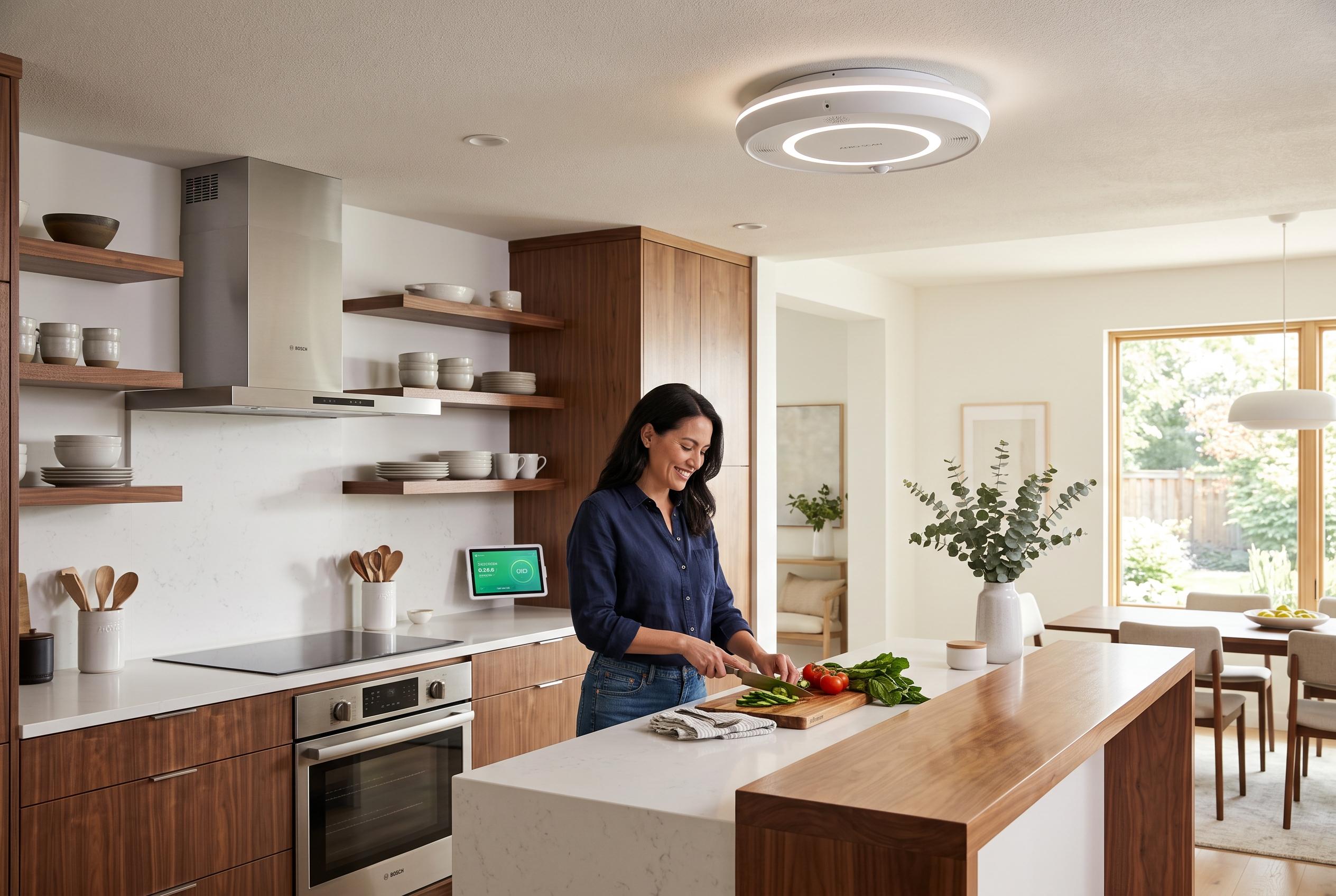
The kitchen-lighting concept goes further than these handheld devices by trying to monitor the environment rather than a single dish. According to the description, the light combines LED hardware with spectrometers and particle sensors, then uses on-board software to compare readings with stored allergen profiles. If it finds a match, it can change colour, send a phone alert and log the event with a timestamp. The system is also meant to link with other smart-home equipment, potentially pausing a timer, locking a stove or muting a recipe assistant until the risk is cleared.
That kind of integration may appeal most to households that already manage allergies through routines, zones and strict cleaning habits. The article recommends checking which allergens a system can identify, how alerts are delivered and whether it supports manual testing and profiles for different household members. It also stresses placement: over the main prep area, not in corners where airflow is weak. Calibration is another key step, especially after cleaning, replacement parts or software updates. In practice, the value of such a device would depend less on the novelty of the lighting and more on whether it produces fast, reliable warnings that fit into the routines of real kitchens.
Disclaimer: This content is intended for informational purposes only. Readers are advised to exercise their own judgement, conduct due diligence, or consult a qualified expert before acting on any information provided.