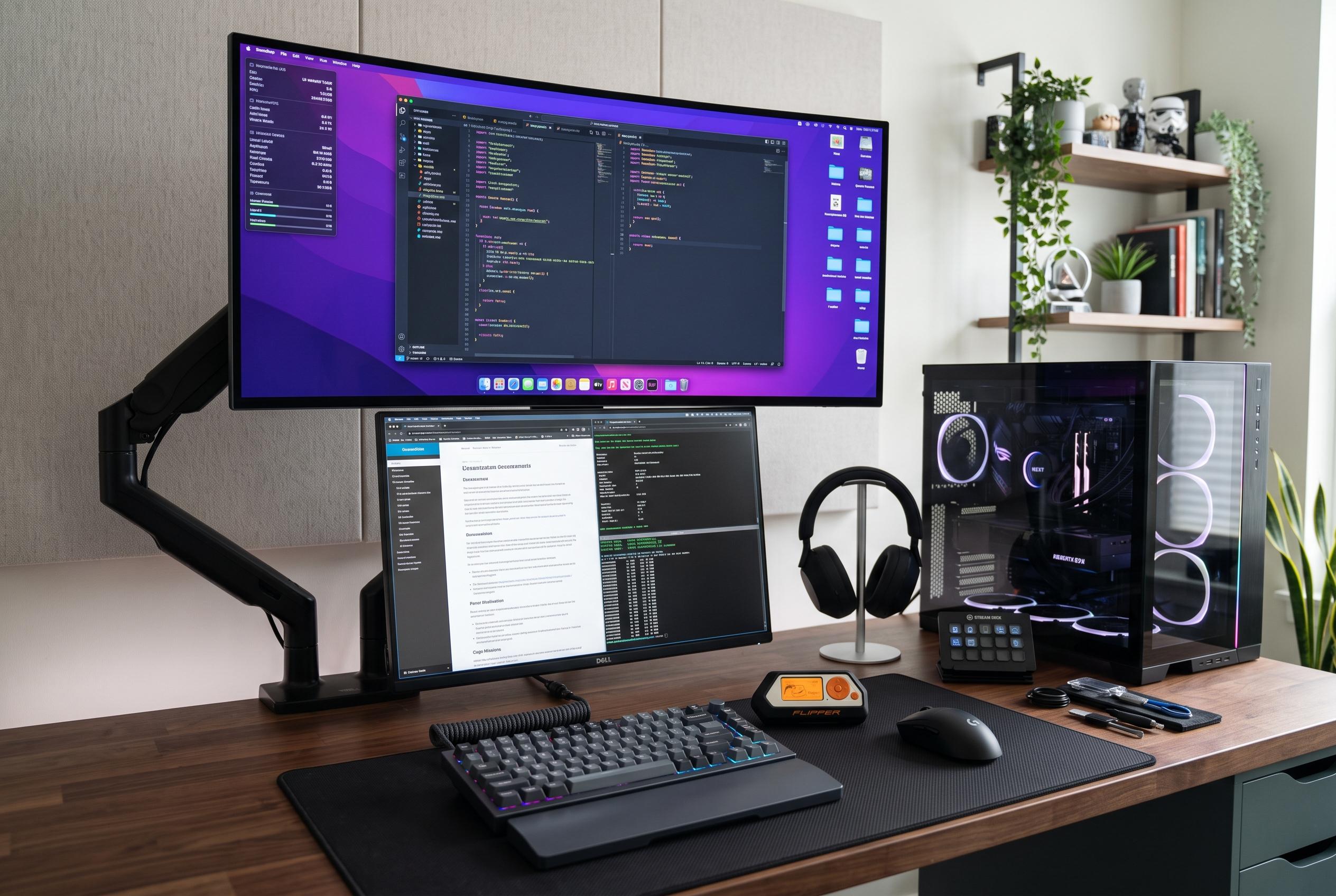

Despite a turbulent market, PC enthusiasts are turning their focus to upgradeable peripherals and premium displays, reigniting hobbyist enthusiasm with innovative devices like the Flipper Zero and cutting-edge monitors.
The current mood around PC hardware is oddly contradictory: upgrade cycles feel harsh, prices remain uneven, and yet the hobby has become more varied than it has been for years. That is why the recent attention given to devices such as the Flipper Zero matters. According to Flipper’s own description, it is a portable open-source tool for penetration testing and hardware exploration, aimed at people who want to experiment with radios, access systems and other digital interfaces. It captures the same hands-on curiosity that has always made PC tinkering rewarding, even when the core components themselves are difficult to buy or justify.
One reason the hobby still feels alive is that displays have improved sharply. PCWorld has highlighted Alienware’s 27-inch OLED panel at $349.99 as a major price break for a 1440p, 240Hz gaming monitor, complete with AMD FreeSync Premium, HDR10 and a three-year burn-in warranty. At the other end of the scale, Alienware has also shown off a 39-inch ultrawide OLED with 5K resolution, a 165Hz refresh rate, HDMI 2.1 and 90W USB-C power delivery, underscoring how far premium monitors have moved beyond the standard flat-panel formula. Even more affordable 1440p, 240Hz options are now appearing below $200, while Acer’s XV272U has also been pitched as a strong-value fast-refresh display.
That shift is part of a wider change in how enthusiasts approach upgrades. Instead of chasing a whole new tower, many are focusing on the parts they actually see and touch every day. A good monitor can reshape the entire experience, whether the goal is competitive gaming, a retro emulation setup or simply clearer text. The same applies to keyboards. Custom boards have moved from niche obsession to mainstream hobby territory, and the combination of hot-swap switches, remappable layouts and programmable layers has made them easier to personalise than ever. For many users, that is where the fun now lives: in tuning the interface, not just the internals.
The broader lesson is that PC building has become less about buying everything at once and more about choosing the right subsystem to improve. Hardware makers have responded with better screens, more flexible peripherals and more affordable premium features, even as the rest of the market remains volatile. That does not make the “nightmare” disappear, but it does explain why enthusiasts are still finding reasons to enjoy the platform. In a year defined by frustration, the edge devices around the PC may be where the most satisfying experimentation now happens.
Disclaimer: This content is intended for informational purposes only. Readers are advised to exercise their own judgement, conduct due diligence, or consult a qualified expert before acting on any information provided.