
Philips introduces its semi-solid battery-powered GoodCube range in Taiwan, incentivising upgrades through discounts and emphasising safety as risks from ageing power banks grow.
Philips has paired the launch of its GoodCube semi-solid power bank range with a trade-in campaign in Taiwan, offering a 30% discount at Quan Guo Electronics for customers replacing older units, regardless of brand. The promotion runs until 30 September and is designed to push consumers towards newer charging products as concerns grow over overheating and fire risks linked to ageing power banks.
The company’s message is that portable batteries should not be treated as indefinite-use accessories. As devices age, their internal cells degrade, and everyday knocks or drops can create hidden damage that may not be visible from the outside. Philips says regular inspection and timely replacement are sensible precautions, particularly as power banks remain widely used alongside phones, tablets and other mobile devices.
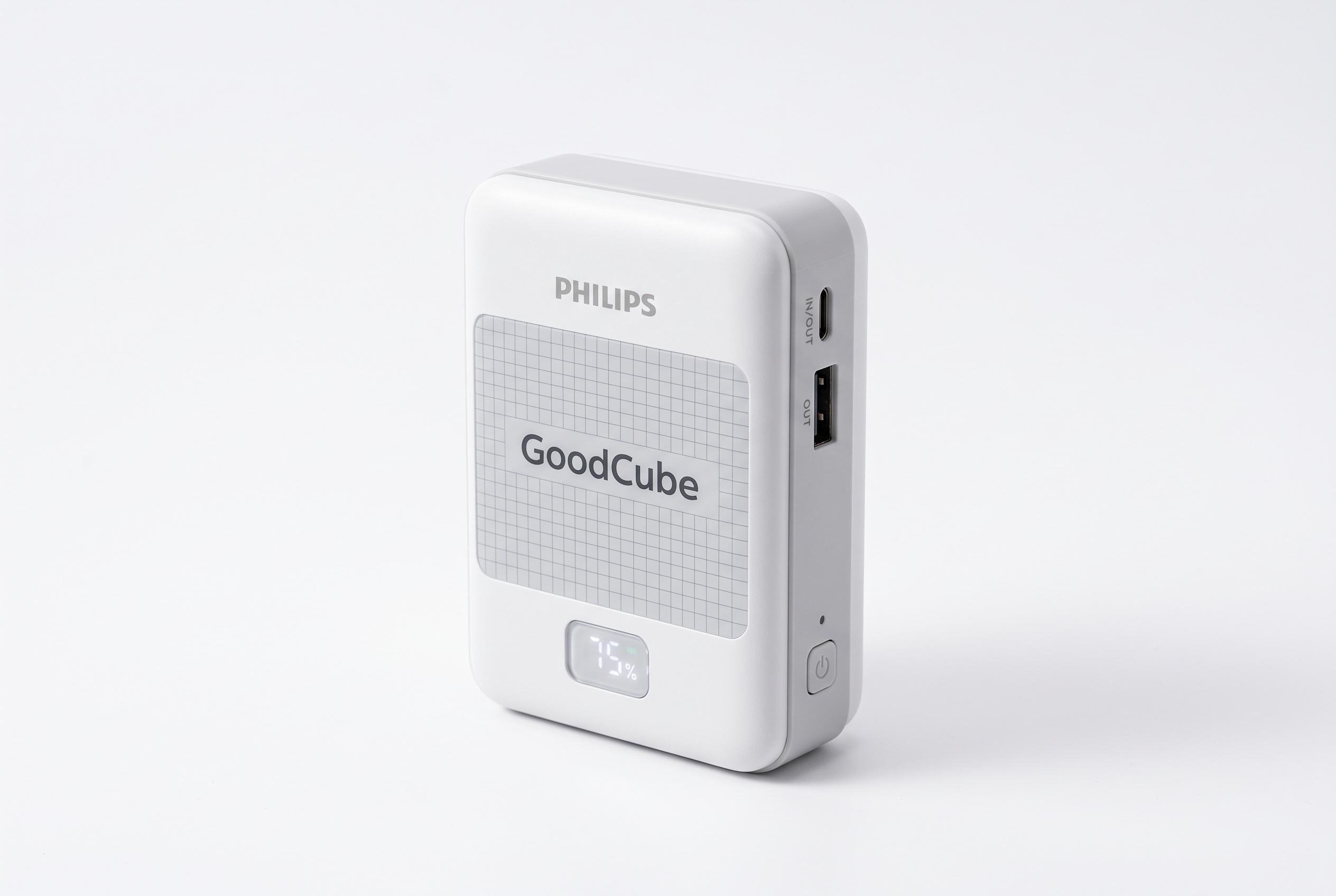
According to product information carried by Taiwanese technology outlets, the GoodCube line consists of four models with different roles. The GoodCube Max offers 20,000mAh capacity and an integrated 70cm retractable cable, while the GoodCube Slim weighs 200.5g and is roughly palm-sized. The GoodCube Pro supports up to 35W PD fast charging, and the GoodCube Plus includes a screen for battery-level display. The trade-in prices at Quan Guo Electronics reportedly range from NT$1,295 to NT$1,903 after discount.
Philips has positioned the series as a safer alternative built around semi-solid battery technology. Reports on the launch say the batteries contain about 5% electrolyte and have passed puncture and extrusion testing, with some coverage noting compliance with emerging BSMI puncture requirements for 2027. Other reports add that the range carries CCC certification and a 1+1 year warranty, though these claims come from the company’s own launch materials and should be read in that context.
Disclaimer: This content is intended for informational purposes only. Readers are advised to exercise their own judgement, conduct due diligence, or consult a qualified expert before acting on any information provided.