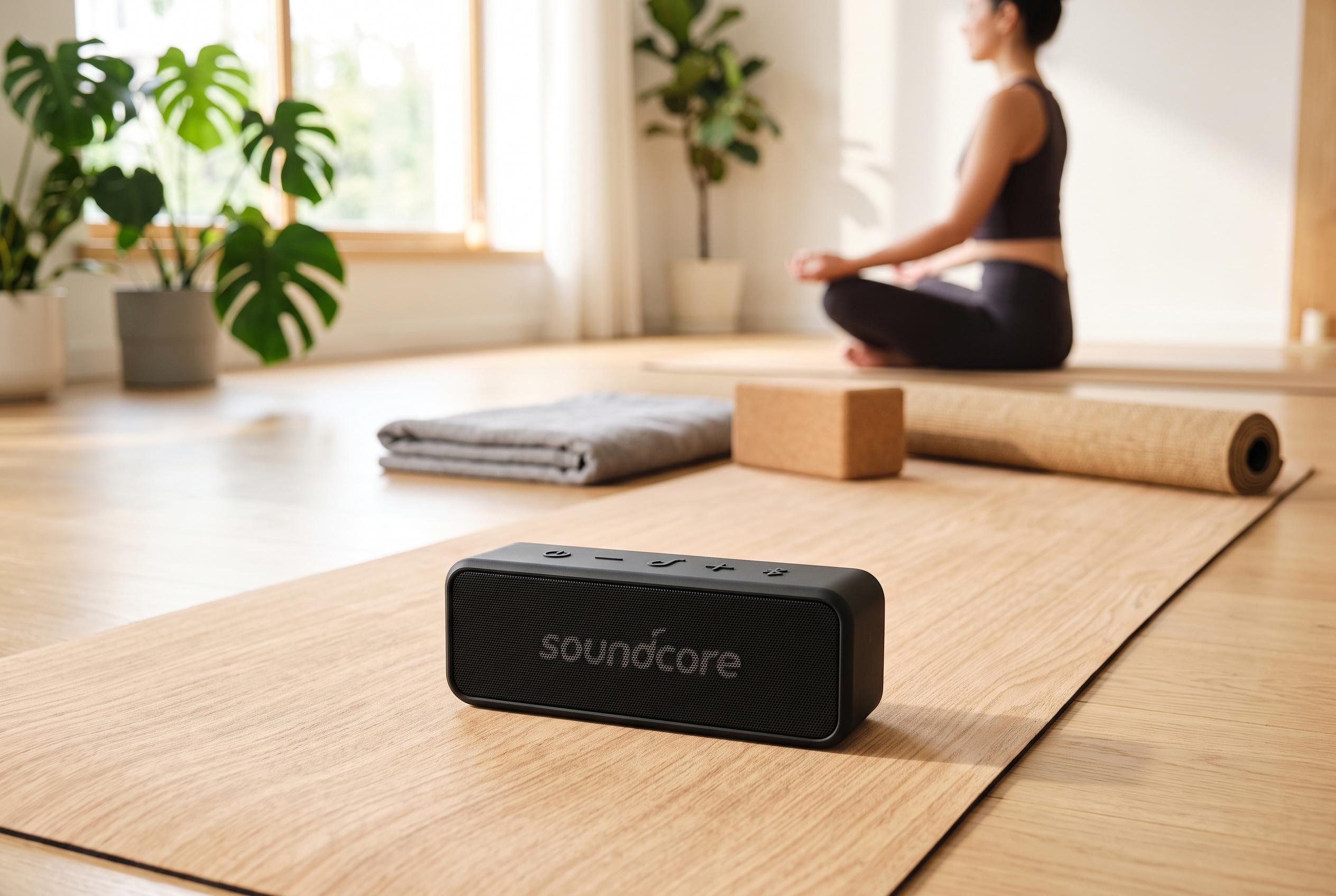

Innovative portable audio solutions like the Soundcore 3 and versatile bookshelf speakers are helping yoga instructors create calming, intelligible soundscapes, offering flexibility and ease for dynamic teaching environments.
For a yoga studio, audio equipment has to do more than play music. It needs to keep guidance intelligible, support a calm atmosphere and avoid the clutter that can make a room feel busy. The best choices tend to be compact powered speakers or portable Bluetooth units that combine clear midrange sound with stable wireless performance and enough flexibility to work with different teaching styles.
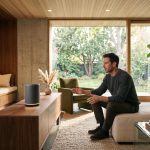
Among portable options, the Soundcore 3 stands out because Anker says it offers 24-hour battery life, IPX7 water resistance and app-based EQ controls. The company also claims Bluetooth 5.0 stability, USB-C charging and PartyCast support for linking multiple compatible speakers. Tom’s Guide found it delivered a surprisingly full sound for its size, although it noted that sound quality could harden at higher volumes.
That makes the Soundcore 3 particularly useful for instructors who move between rooms or need one speaker for both studio and outdoor use. The appeal is not raw power but convenience: light weight, quick setup and a degree of protection that suits busy teaching environments. For smaller classes, that combination can be more useful than a larger fixed system.
For a more permanent installation, bookshelf-style speakers remain the more controlled option. Edifier’s R1280DB Bluetooth pair is presented as a versatile all-rounder because it combines wireless playback with optical, coaxial and dual RCA inputs. It also includes remote control and side-mounted bass and treble adjustment, which makes it easier to tune audio for guided sessions or background music.
The earlier wired R1280T model is still relevant for studios that do not need Bluetooth but do want dependable stereo sound. Its dual AUX inputs and straightforward controls make it practical for a fixed teaching station, although it lacks the wireless convenience many studios now expect. In both cases, the bookshelf format offers better stereo separation than a single portable speaker.
For spaces where placement matters, compact studio monitors can be a better fit than consumer speakers. The Ortizan C7 and Sanyun SW208 both aim for a more restrained, balanced sound signature, with multiple wired inputs as well as Bluetooth support. That is useful in yoga rooms, where overly boosted bass can distract from instruction and make vocals less distinct.
A more flexible approach is the stereo-pair format. The SOWO dual Bluetooth set is designed to create separate left and right channels, which gives a wider sound field than a single speaker can provide. The inclusion of adjustable stands and portable battery power makes it suitable for studios that rearrange frequently or need coverage across a larger practice area.
Harman Kardon’s Onyx Studio 9 offers a different kind of portability. It is built around room-filling playback, self-tuning sound calibration and support for pairing two speakers. With a built-in battery rated for up to eight hours, it is less enduring than some rivals, but it may suit studios that value a fuller sound and occasional room-to-room movement over all-day battery life.
A final point is that the best speaker choice depends as much on the room as on the device itself. Smaller studios may prefer a compact powered pair near the instructor station, while larger or multi-use spaces often benefit from stereo separation, stronger output and multiple input options. In practice, the most useful yoga studio speaker is the one that stays clear at low volume, connects quickly and disappears into the background when the class begins.
Disclaimer: This content is intended for informational purposes only. Readers are advised to exercise their own judgement, conduct due diligence, or consult a qualified expert before acting on any information provided.