
The adoption of Qi2 is transforming magnetic accessories for Android phones, offering enhanced stability and a wider range of compatible products, despite device limitations.
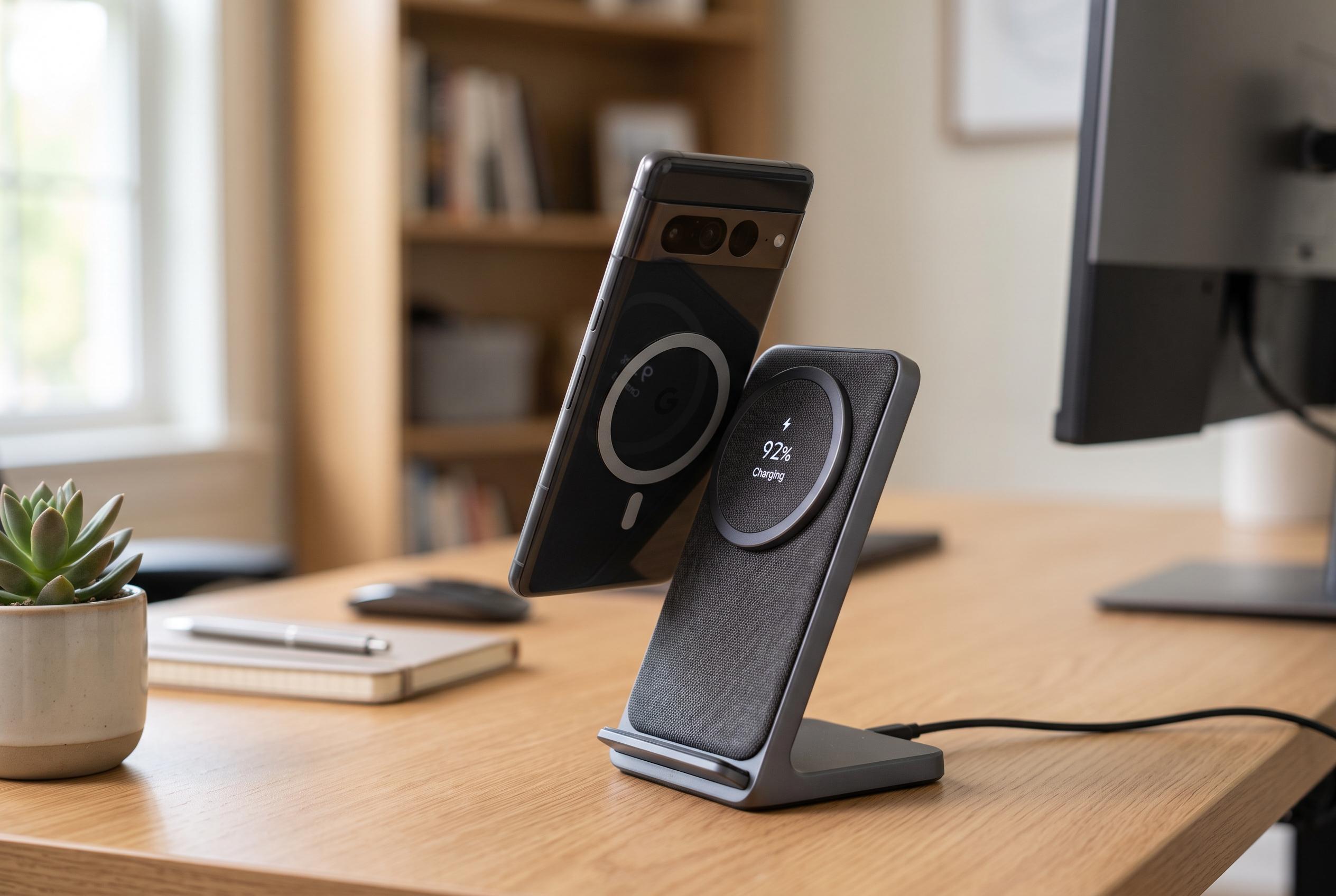
MagSafe-style accessories are moving beyond the iPhone, largely because Qi2 has given Android users a more standardised magnetic charging route. Analysts and accessory makers say the shift matters because magnetic alignment improves both charging reliability and accessory stability, while also widening the range of products that can attach securely to a handset.
For Android owners, the main limitation is not the accessory category but the phone itself. Devices with built-in Qi2 support can work more cleanly with magnetic chargers and mounts, but many others still need a magnetic case or an adapter ring before the connection is dependable. Without that alignment layer, an accessory may stick to the phone yet fail to perform properly, particularly with wireless charging.
That is why the most practical options in 2026 remain the basics: magnetic wireless chargers, power banks, stands and tripods. Android Central notes that these are the most commonly recommended MagSafe-style accessories because they cover everyday use cases, from desk charging to portable power and hands-free viewing. Ulanzi adds that creator-focused accessories can work on Android too, but only when the full setup , phone, case, ring and mount , is matched correctly to the task.
Compatibility is still the deciding factor. TechYorker points out that MagSafe is Apple branding rather than a universal Android standard, and that dependable use on Android usually depends on Qi2 or a true magnetic alignment system built into the phone or case. Elago says the Qi2 magnetic power profile is important because it helps the charger and phone behave consistently when aligned, which is the difference between a tidy attachment and a genuinely usable charging experience.
There are also limits to how far case-based compatibility can go. Android Central reports that Motorola’s 2026 Razr line does not include Qi2 support because the phones lack the magnets required for the standard, even though the devices still offer fast wired and wireless charging. That leaves cases and add-on rings as workarounds for users who want magnetic accessories, but not everyone will welcome the extra bulk. For buyers, the lesson is straightforward: in this market, the accessory is only half the story; the other half is whether the phone can support it properly.
Disclaimer: This content is intended for informational purposes only. Readers are advised to exercise their own judgement, conduct due diligence, or consult a qualified expert before acting on any information provided.