
New generation of hearing aids designed for outdoors and active users prioritise durability, comfort, battery life, and connectivity, with features like moisture resistance and health tracking transforming everyday auditory support.
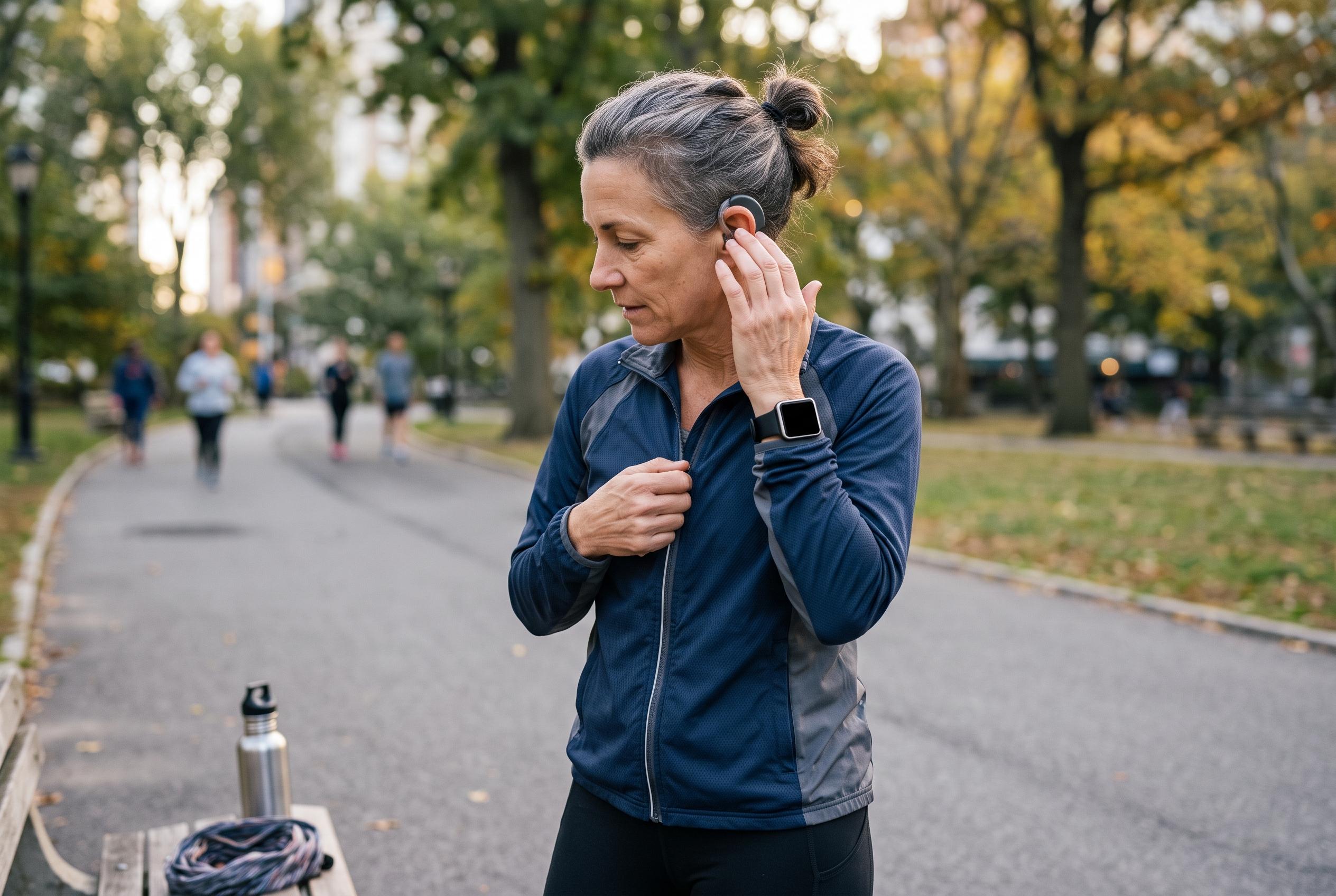
A hearing aid for an active routine has to do more than amplify speech. It must stay secure, withstand sweat and weather, and adapt quickly as the listening environment changes. For people who spend time outdoors, exercise regularly or travel often, the practical demands are different from those of a mainly home-based user. Durability, comfort, battery life and connectivity therefore matter as much as sound quality.
According to guidance from Hearing Solutions, moisture and dust protection are central to long-term reliability, and many premium devices now carry an IP68 rating, which indicates a high level of protection under test conditions. Beltone and Hearing Aid Advice make the same point, adding that active users should look for designs that manage wind and environmental noise well. That combination is particularly relevant for walking, gardening, commuting and other everyday movement, where exposure to humidity, rain and temperature swings can affect performance.
Fit is equally important. Receiver-in-canal and behind-the-ear styles are often recommended for active wear because they tend to balance stability with lightness. Open-fit devices may suit some people because they can feel less intrusive and preserve a more natural sense of sound, but AudiologyHQ notes that the right choice still depends on hearing profile and routine. Phonak’s Audéo Fit goes a step further by adding health tracking, including a heart-rate sensor and activity monitoring, while also offering Bluetooth connectivity for phones and other devices.
Battery performance and automation are the other key pieces. Rechargeable models are popular because they reduce the need to carry spare batteries and can support all-day use. Wireless streaming is also useful for calls, music, podcasts, navigation and other digital tasks, especially for people who move between locations during the day. Several current guides, including those from HearUp USA and Soundly, highlight that modern active-use hearing aids increasingly combine long battery life, automatic sound adjustment and moisture resistance, which makes them more practical for daily life than older, more manually managed devices.
Disclaimer: This content is intended for informational purposes only. Readers are advised to exercise their own judgement, conduct due diligence, or consult a qualified expert before acting on any information provided.