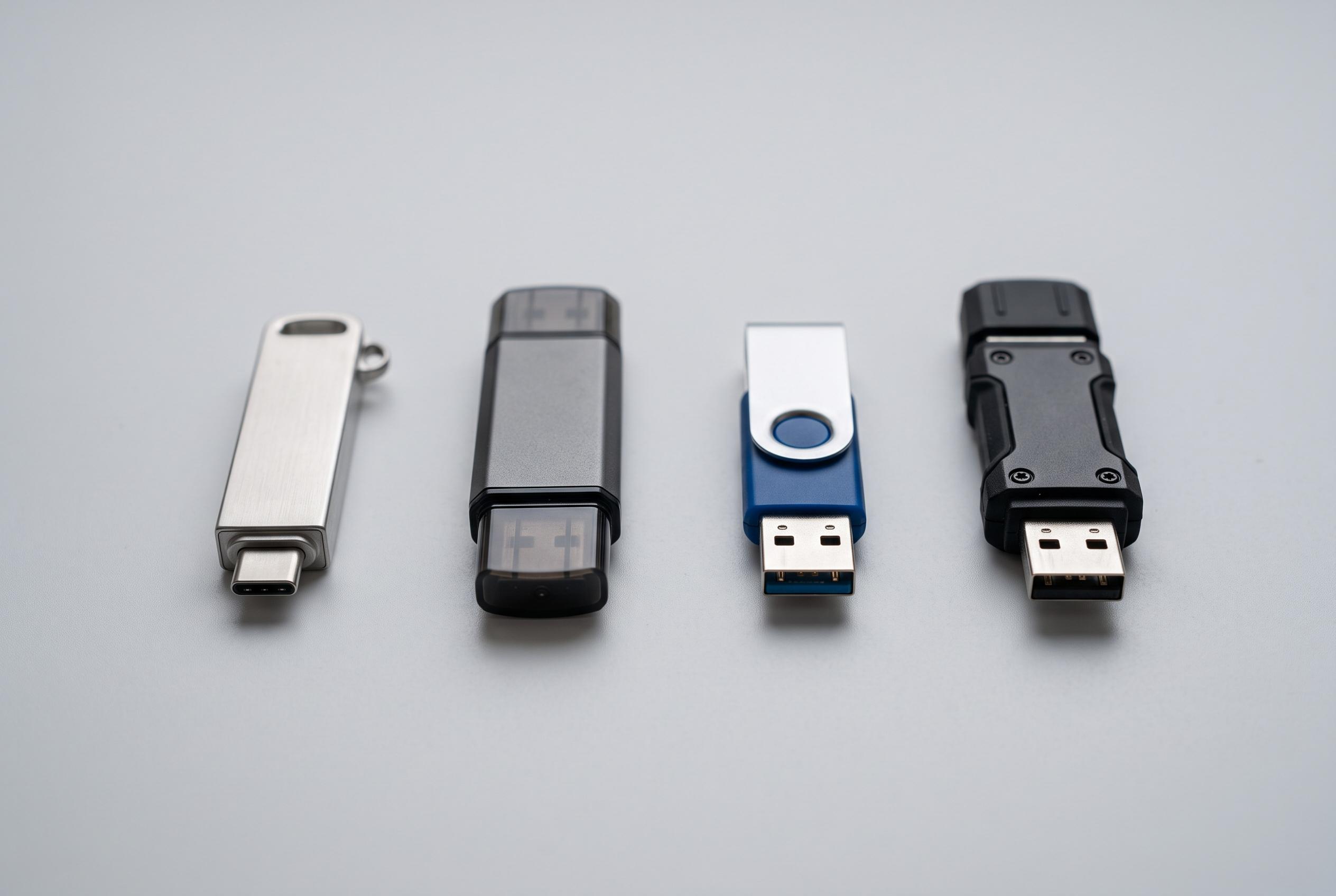

As SSD prices soar amid a broader chip shortage driven by AI data demands, the humble USB flash drive is regaining importance for budget-conscious users relying on affordable portable storage solutions.
Once dismissed as a relic of an earlier computing era, the USB flash drive is finding a new role as storage prices rise sharply across the market. The prompt is simple economics: when a high-capacity SSD becomes dramatically more expensive, a small, inexpensive USB stick starts to look practical again. The change has been driven by a broader squeeze in memory and NAND flash supply, which industry reports and recent retail checks say is linked to demand from AI data centres.
The contrast with SSD pricing is striking. The lead article notes that a 4TB Samsung 990 Pro that cost $318 in November 2025 was listed at $1,100 by Amazon at the time of writing, while Tom’s Hardware reports that flash storage prices have climbed steeply across multiple formats, with some products rising by more than 200%. That kind of inflation has altered buying habits, especially for users who only need modest capacity for documents, installers or archival copies.
Even so, flash drives were already losing ground before the latest price shock. Their limited capacity and slower transfer speeds made them less attractive than portable SSDs for photographers, video editors and IT users handling large files. PCWorld has previously argued that many consumers had moved on because USB sticks often top out at 256GB or 512GB, which is not much use for 4K video, full-system backups or sizeable project folders.
That does not mean they have become obsolete. Their strengths remain portability, low cost and convenience for specific jobs. Bootable installation media, recovery tools and lightweight portable operating systems still suit a USB stick better than an SSD, especially when the goal is to avoid wasting a more expensive device. Tom’s Hardware says manufacturers are increasingly prioritising higher-margin storage products as supply tightens, which may keep entry-level flash drives relevant for longer than many expected.
Disclaimer: This content is intended for informational purposes only. Readers are advised to exercise their own judgement, conduct due diligence, or consult a qualified expert before acting on any information provided.