
A variety of smart plug sets are enhancing household automation, with new features like Matter support and energy tracking reshaping consumer choices for convenience, flexibility, and energy management.
Smart plug sets can simplify small but constant household tasks, from switching on lamps and fans to automating coffee makers and seasonal lights. For busy homes, the main appeal is not novelty but reduction: fewer manual jobs, less time spent walking room to room and more predictable routines.
The Amazon Smart Plug 2-Pack is the clearest option for households already built around Alexa. Amazon says setup is handled through the Alexa app, with no separate hub required, and the compact shape is designed to leave the adjacent outlet free. It suits basic tasks such as lamps and coffee makers, where simple voice control and scheduling matter more than advanced features.
For larger households, a four-pack often makes better sense. Govee’s multi-plug bundle adds Alexa and Google Assistant support, plus scheduling and group control, which can be useful when several rooms need the same routine. The company also highlights Bluetooth or Wi-Fi setup, although the pack is limited to 2.4GHz networks and is not meant for heavy electrical loads.
Some families will value power tracking more than broad compatibility. TP-Link’s Tapo P115 four-pack includes energy monitoring, bill estimates and auto-shutoff tools, alongside support for Alexa, Google Assistant and SmartThings. That makes it more than a convenience accessory: it can also help identify appliances that draw more power than expected.
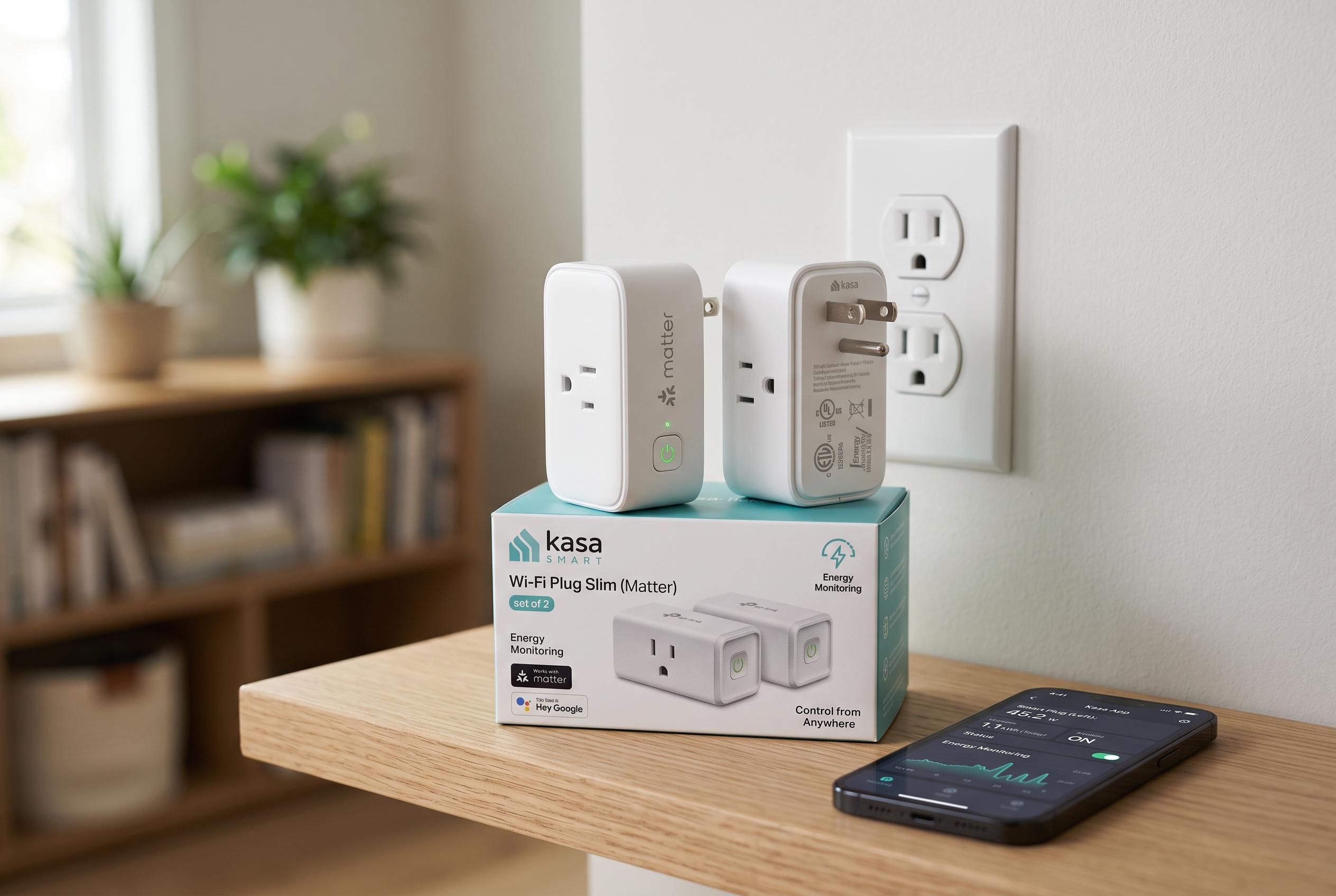
Compatibility is becoming a key buying point. TP-Link’s Tapo P125M supports Matter, the cross-platform smart home standard designed to let devices work across ecosystems such as Apple Home, Alexa, Google Home and SmartThings. For homes that do not want to be locked into one assistant, that flexibility may be worth more than a few extra features.
For buyers who want the least friction, the best choice is still the one that matches the household’s existing setup. Alexa-only plugs keep things simple, while multi-platform and Matter-compatible models offer longer-term flexibility. In practice, the right set depends on how many outlets need automation, whether energy monitoring is useful and how much importance the household places on future compatibility.
Disclaimer: This content is intended for informational purposes only. Readers are advised to exercise their own judgement, conduct due diligence, or consult a qualified expert before acting on any information provided.