
Sony unveils a duo of new wireless Pulse headsets for PS5 and multi-device use, featuring customised planar magnetic drivers, improved design, and native PlayStation Link support, amid questions over pricing and release dates.
Sony has unveiled a new pair of PlayStation Pulse wireless headsets, positioning them as the next step in its PS5 audio range and, in effect, a replacement for the Pulse Elite model released last year. The company has not yet disclosed pricing, which leaves the value proposition unclear at a time when rivals from SteelSeries, Corsair and others already occupy much of the premium gaming headset market. According to TechRadar, both models are expected to arrive in white and black and are scheduled for release next year. TechRadar also reported that the headsets will work with the PlayStation Portal straight away through native PlayStation Link support.
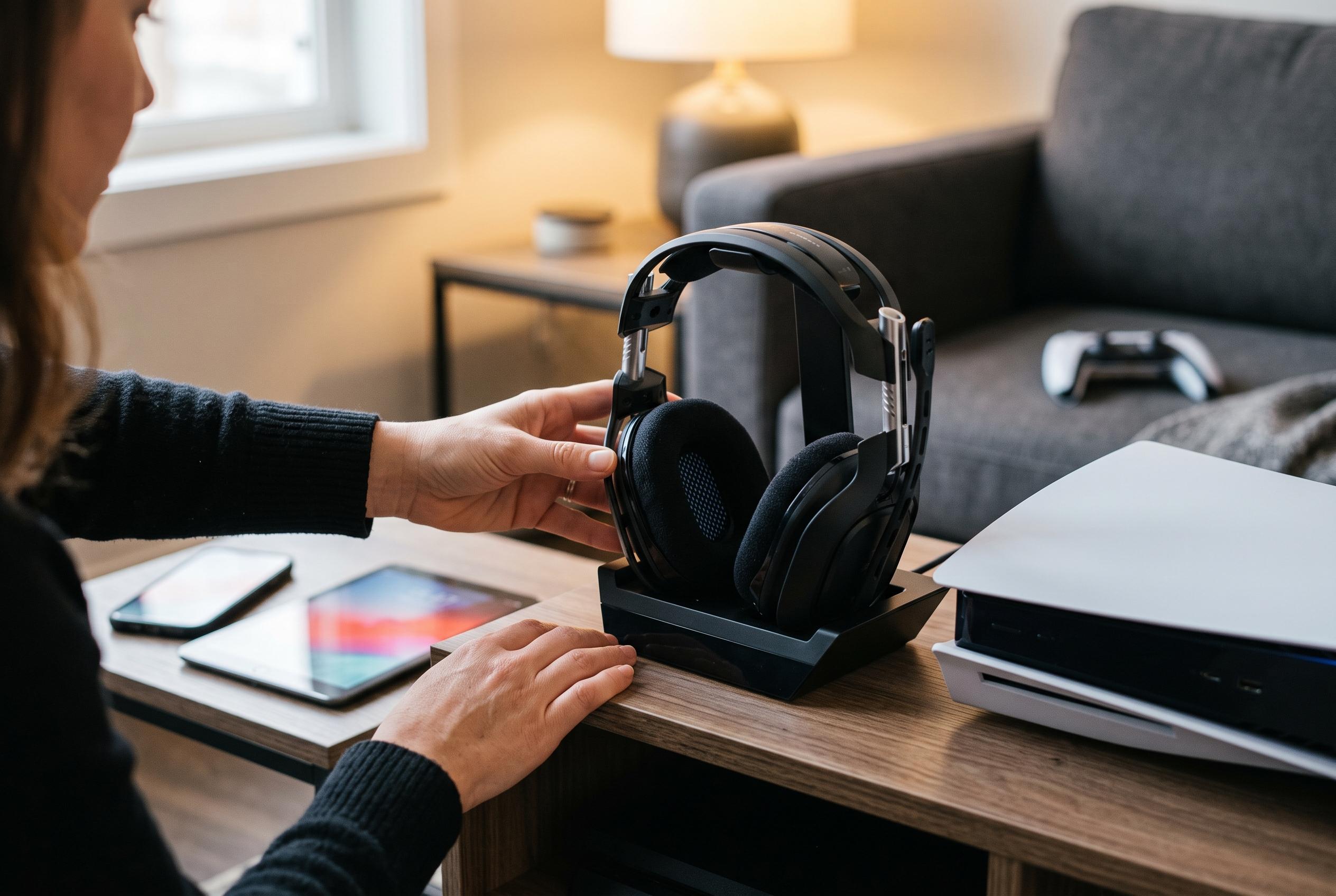
The flagship model, Pulse Edge, is built around custom planar magnetic drivers, a technology Sony says is designed to produce more detailed audio with fuller bass and a more layered soundstage. Sony’s own product page says the headset uses double the magnets found in the standard Pulse model, with the aim of improving precision and overall performance. The premium version also includes active noise cancellation, a detachable boom microphone with AI-powered noise rejection, built-in controls for volume and game-chat balance, a USB-C adapter and a carrying case. Notebookcheck and GamesRadar both noted that Sony is pushing the Pulse Edge as the more fully equipped option in the line-up.
The standard Pulse headset is more restrained. It keeps the same broad design language and planar magnetic approach, but with fewer magnets per driver and a simpler feature set. It relies on an integrated microphone rather than a detachable boom mic, and it does not include active noise cancellation, the game-chat balance control or a bundled case. Industry comparisons published by IndieKings and TechRepublic describe this model as the lower-tier choice, with the cost of that positioning likely to be a reduced emphasis on bass weight, isolation and convenience features.
Sony is also highlighting broader connectivity as a major selling point. Both headsets support PlayStation Link, the company’s low-latency wireless system, and can be used across PS5, PlayStation Portal, PC and Mac when paired with the supplied USB-C adapter. Notebookcheck reported that the two headsets are intended to offer lossless audio with quick switching between devices, while T3 said Sony has also redesigned the chassis with portability in mind. That combination suggests Sony is trying to make its own accessories more competitive not just on console integration, but on everyday use across multiple devices.
Even so, the announcement leaves several important questions unanswered. Sony has not said when pre-orders will open, what the battery life will be, or how much either headset will cost. GamesRadar reported that the standard Pulse is expected to launch during the 2026 holiday season, with the Pulse Edge following in early 2027, although Sony itself has been more cautious in public materials. Until pricing is confirmed, it remains difficult to judge whether the new Pulse line will be a genuine upgrade over the previous generation or simply another ambitious entry in an already crowded premium headset segment.
Disclaimer: This content is intended for informational purposes only. Readers are advised to exercise their own judgement, conduct due diligence, or consult a qualified expert before acting on any information provided.