
From Walkmans to wireless earbuds, portable music has become more compact and convenient, shifting consumer priorities from basic sound quality to features and fit, making premium models more relevant for dedicated users.
Portable audio has changed so much that the bargain-bin earphones once bundled with music players now seem almost primitive. Statista’s timeline of portable music milestones places the Sony Walkman in 1979, the iPod in the digital era and wireless earbuds in the latest phase of that shift, while Smithsonian Magazine also traces how each step made private listening more compact and more convenient. The basic idea is unchanged: music has to travel with the listener, but the hardware no longer needs to compromise so badly on comfort or fidelity.
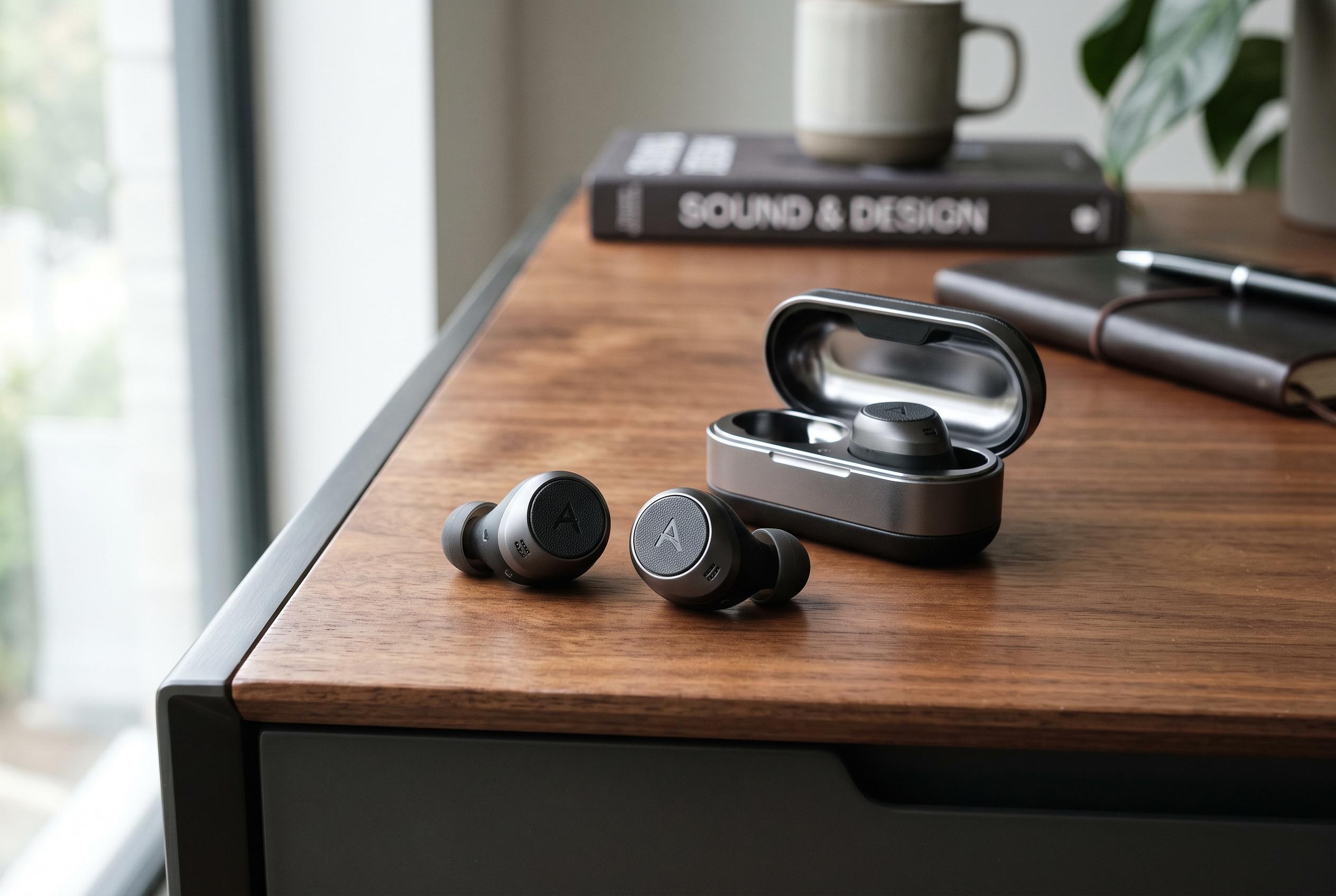
That matters because the word “earbud” now covers two different designs. Traditional buds sit at the outer ear, while the more common premium models seal the ear canal with silicone or foam tips. As What Hi-Fi? notes in its history of portable music players, the move from cassette players to digital devices was matched by a steady refinement in personal audio, and that has left today’s market far better than the era of the free white earbuds shipped with early iPods.
For most buyers, that improvement changes the spending question. Cheap modern earbuds are usually good enough for everyday listening, and many listeners do not need to pay for flagship tuning. The expensive end of the market still offers clear advantages, though, especially in stronger noise isolation, better call quality, longer battery life and more consistent wireless performance. The key point is that higher prices now buy refinement rather than basic acceptability.
That is why premium earbuds can make sense, but only for a defined set of users. Serious listeners, frequent commuters and people who rely on earbuds for work calls may notice the difference immediately. Others will not. In practice, the market has matured to the point where price matters less for simple sound quality than for features, fit and finish, which is a marked change from the days when bundled earbuds were often the weakest part of the listening chain.
Disclaimer: This content is intended for informational purposes only. Readers are advised to exercise their own judgement, conduct due diligence, or consult a qualified expert before acting on any information provided.