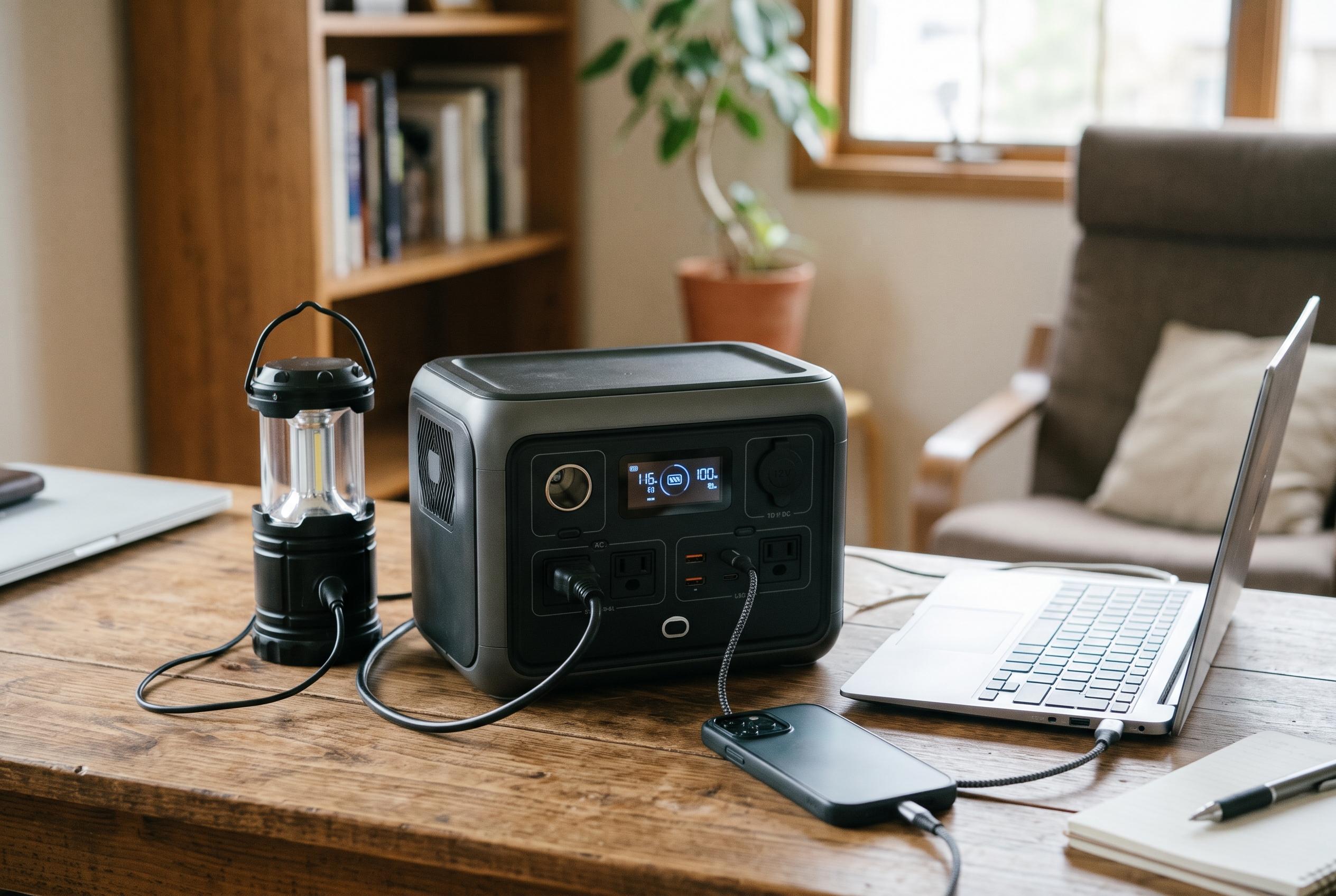

Choosing between a DC-only power station and one with AC outlets starts with the devices you need to run, as output type can matter more than capacity.
The choice between a DC-only portable power station and a model with AC outlets is less about battery size than about the equipment you intend to run. A unit that is limited to DC connections is best suited to devices that can charge or operate directly from USB or other low-voltage outputs. A station with AC sockets is the safer option when even one essential appliance still depends on a conventional mains plug.
In practical terms, the distinction is straightforward. DC outputs send energy to compatible devices with little or no conversion, which is why they are often the more efficient option for phones, tablets, cameras and some portable fridges. AC outputs, by contrast, rely on an internal inverter to create household-style mains power, which is necessary for appliances designed for a wall socket. That makes the output type, not just the watt-hour figure on the box, the decisive specification. According to several portable power guides, matching the port to the device is the most reliable way to preserve runtime and avoid unnecessary heat and conversion losses.
A device inventory is the best place to start. A laptop that charges over USB-C may work with either kind of station, provided the port can deliver enough power and the cable is rated for it. A vehicle-style refrigerator needs the correct DC voltage and connector. A household air purifier, however, usually needs AC voltage and frequency through a standard plug, even if the appliance itself ultimately converts the current internally. Camera chargers can sit in either camp, depending on whether the charger supports USB input or requires a mains dock.
Port ratings also matter more than broad marketing figures suggest. A station may advertise a high combined output, yet still limit individual sockets to much smaller figures. EcoFlow’s TRAIL 300 DC, for example, is listed with 288Wh of capacity and up to 300W total DC output, but its published port limits are lower than that headline number. The same logic applies when multiple devices are connected at once: the sum of the ports is not always available in the way buyers assume, and the continuous and surge limits still have to be respected.
That is why batteries with similar capacities can serve very different use cases. EcoFlow’s TRAIL 300 DC and RIVER 3 Plus each store roughly the same amount of energy, but the latter adds AC outlets and a much larger AC output envelope. The two products are therefore not interchangeable. One is built for direct DC use, the other for situations where mains-style power is required. A larger output figure does not mean longer runtime; it simply means the station can support a heavier load for a shorter period before the battery is drained.
For many users, DC output is the cleaner choice when the equipment can accept it. It avoids one round of inversion and can simplify the whole setup. But the moment a household appliance enters the list, an integrated inverter becomes the more practical option. In that sense, the right purchase decision is not “how much power do I need?” but “what kind of connection does my equipment actually require?” Once that is clear, capacity becomes the second question, not the first.
Disclaimer: This content is intended for informational purposes only. Readers are advised to exercise their own judgement, conduct due diligence, or consult a qualified expert before acting on any information provided.