
A hobbyist’s rigorous three-year experiment testing 351 microSD cards uncovers surprising disparities in durability across brands and models, informing buyers on long-term reliability.
Over three years, a hobbyist known online as Matt Cole has put 351 microSD cards through a punishing endurance regime, writing more than 133 petabytes of data and retiring 177 that had failed. The scale of the experiment has turned an enthusiast’s side project into one of the clearest public comparisons of real-world microSD reliability, with the dataset covering 52 brands and 111 models. According to reporting by TechSpot and HWBusters, the project has become a useful reference point for buyers weighing not just speed, but long-term durability.
Cole, who is also known as “mikaey00” on Reddit, has documented the results in a public database. Tom’s Hardware reported that the setup uses a small farm of mini PCs and older laptops to run repeated write, verify and erase operations across the cards, accumulating millions of programme-verify-erase cycles. A card is marked dead once it stops responding, switches to read-only mode, or begins throwing errors across at least half of its sectors.
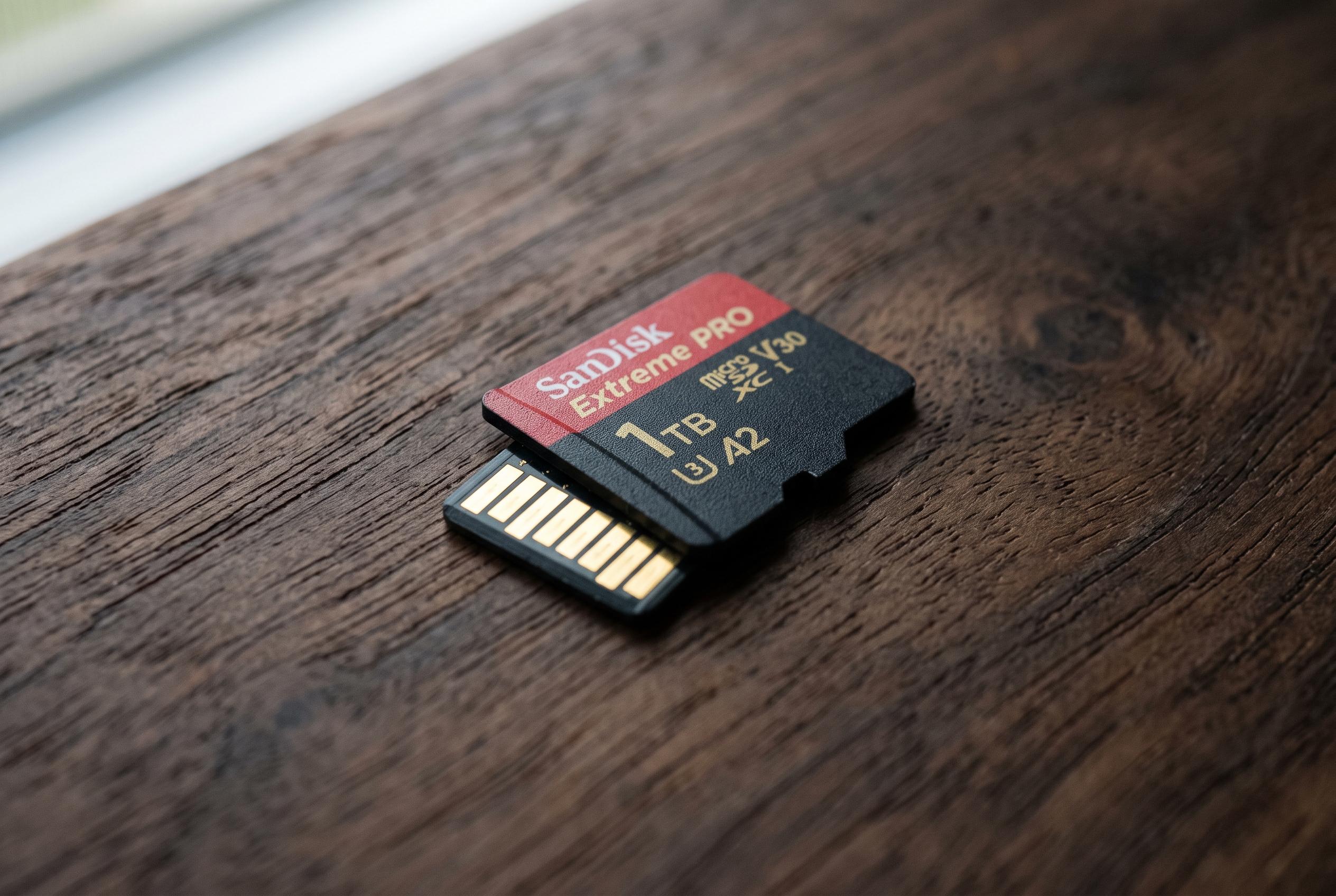
The findings favour several mainstream brands. PNY, Kingston and Delkin Devices have performed best overall, with PNY cards averaging about 15,700 cycles, Kingston reaching nearly 23,500 cycles, and Delkin models standing out for both endurance and write volume. Lexar and Samsung also rank well in the broader consumer field. By contrast, SanDisk emerges as the weakest major name in the sample, with only five of 28 consumer cards still working and an average of roughly 9,400 cycles; all seven SanDisk High Endurance 64GB cards in the test failed.
The test also shows that labels matter less than the memory class underneath them. So-called High Endurance cards, often sold for dashcams and CCTV, delivered only a modest gain over ordinary consumer models, while industrial microSD cards, particularly Kingston’s, reached around 122,000 cycles. That gap matters for continuous recording, but it is far beyond what most gaming devices will ever demand. For Nintendo Switch, Steam Deck or ROG Ally owners, the practical conclusion is simpler: choose a reputable brand, treat endurance-focused cards as a specialist purchase, and use Cole’s database when reliability matters more than the lowest price.
Disclaimer: This content is intended for informational purposes only. Readers are advised to exercise their own judgement, conduct due diligence, or consult a qualified expert before acting on any information provided.