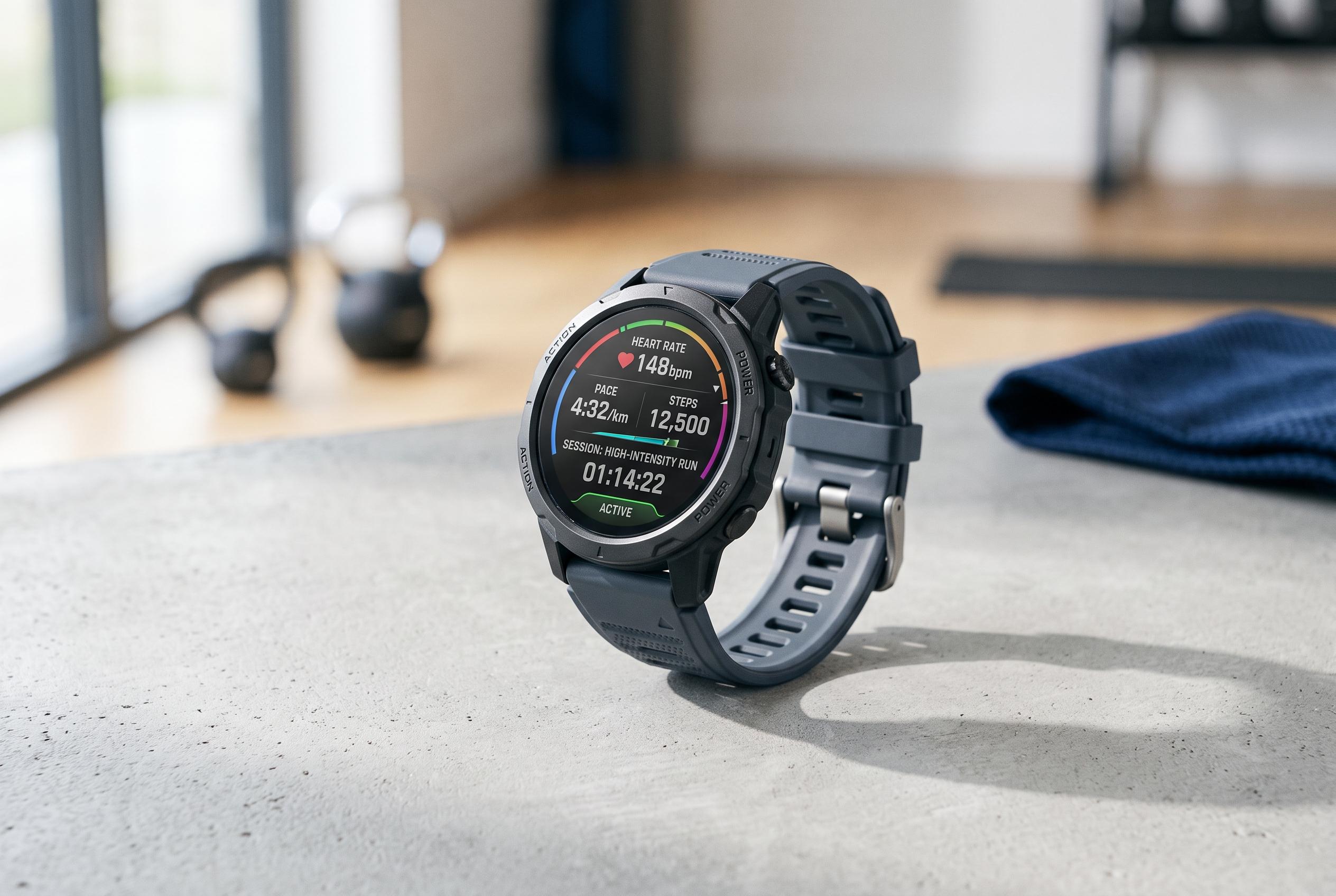

Active users have learnt that the longevity of a smartwatch depends as much on the strap as on the device itself, with material choice playing a crucial role in resilience during intense activities.
A smartwatch may be sold as a single product, but in practice it is a system of case, software and strap. For one runner and tennis player, that became clear after a hard impact knocked a Polar Vantage M2 from the wrist and tore the band clean through. The watch itself survived, but without a usable strap it was useless. That experience led to a blunt conclusion: the band can matter as much as the device.
The case for paying attention to the strap is stronger than many buyers assume. Watch bodies are usually built to cope with water, knocks and sweat, while the strap is often a narrow piece of silicone or TPU, the flexible plastic used in many standard bands. Those materials are light and comfortable, but they are not always the most durable in hard use. In the writer’s case, previous accidents have shown the same pattern: the device remains intact while the strap fails first.
Material choice makes a real difference. Independent strap guides say FKM, also known as fluoroelastomer, is one of the most durable rubber options, with strong resistance to UV light, seawater, chlorine and many chemicals. Nylon is also widely used for sports straps because it is breathable and holds securely during exercise. By contrast, leather absorbs sweat and is less suitable for training, while metal bands can add weight and friction. For exercise and water use, that leaves FKM, nylon and other fabric-based designs as the most practical options.
The best choice still depends on use. A runner may prefer a lighter nylon strap that stays stable under movement, while swimmers or people exposed to harsh conditions may be better served by FKM. Guides focused on sweaty workouts also point to cloth, nylon and fabric straps as the most breathable, while rubber and silicone remain useful where water resistance matters more than airflow. The point is not that one material fits every wrist, but that the cheapest bundled option is often the least resilient.
The broader lesson is simple. Buyers often compare watches by screen, sensors and battery life, yet the strap determines whether the device stays on the wrist long enough to matter. A durable band may not be the most glamorous upgrade, but for active users it can be the difference between a working tracker and a broken one.
Disclaimer: This content is intended for informational purposes only. Readers are advised to exercise their own judgement, conduct due diligence, or consult a qualified expert before acting on any information provided.