
New advancements in wireless microphone technology, combining onboard recording with reliable transmission, are transforming fieldwork for documentary crews, offering greater resilience against radio interference and ensuring valuable footage is preserved.
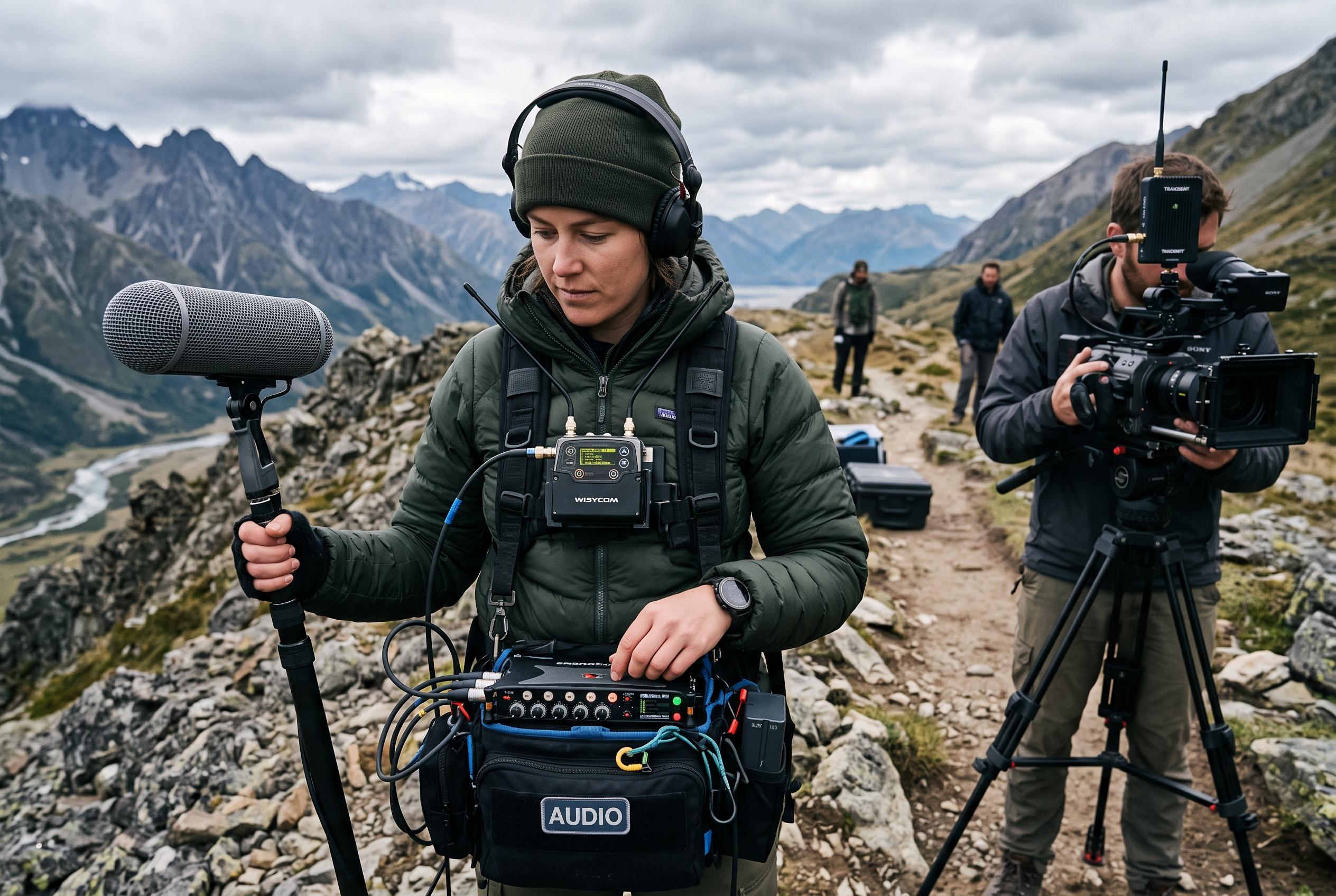
For documentary crews working in the field, wireless audio is less about convenience than risk management. A single dropout, clipped line or failed take can erase an interview that cannot be repeated. That is why the strongest options now pair wireless transmission with onboard recording, so a file can still be recovered when radio conditions turn bad. In practice, that matters more than headline range figures or a few grams of weight. Tom’s Guide and SoundGuys both note that the DJI Mic 2 combines 32-bit float recording with strong noise handling and a compact, professional design, which helps explain why it has become a reference point for small crews and solo shooters.
The DJI Mic 2 remains the most balanced choice for most documentary field work. It offers dependable audio quality, straightforward setup and internal backup recording, while Tom’s Guide and TechRadar both stress its ease of use and polished performance for creators who need speed on set. SoundGuys also highlights the improved controls, wind protection and magnet clip attachments, all of which matter when a crew is moving quickly between locations. The result is a system that is practical first, with enough technical headroom to cope with street interviews, sit-down conversations and run-and-gun coverage.
For users who value all-in-one design and quick role changes, the Sennheiser Profile Wireless is a strong alternative. Tom’s Guide and SoundGuys both point to the charging bar that doubles as a handheld microphone, which makes it useful for reporters shifting between lavalier and handheld work. Its built-in backup recording and broad device compatibility also suit mixed documentary workflows. The trade-off is that reviewers found it solid rather than outstanding in sound quality, so it is best judged as a flexible production tool rather than a pure audio-first option.
The budget end of the market is changing too. Tom’s Guide says the DJI Mic Mini 2 delivers crisp 24-bit, 48kHz audio, a 400m range and up to 48 hours of battery life with its charging case, but it does so without internal recording or 32-bit float support. That makes it attractive for lighter creator work, though less suitable where a lost transmission would be unacceptable. For documentary crews, that distinction is important: lower cost is useful, but only if the workflow still includes a credible recovery path.
Taken together, the reviews point to a clear buying pattern. The most dependable documentary systems now combine wireless flexibility with local recording, while simpler models are best reserved for less demanding shoots. The DJI Mic 2 leads because it strikes the best balance between sound quality, usability and resilience. The Sennheiser Profile Wireless is better when a versatile charging case and handheld option matter. And the DJI Mic Mini 2 is the safer compromise for buyers who want affordability, provided they can live without onboard backup.
Disclaimer: This content is intended for informational purposes only. Readers are advised to exercise their own judgement, conduct due diligence, or consult a qualified expert before acting on any information provided.