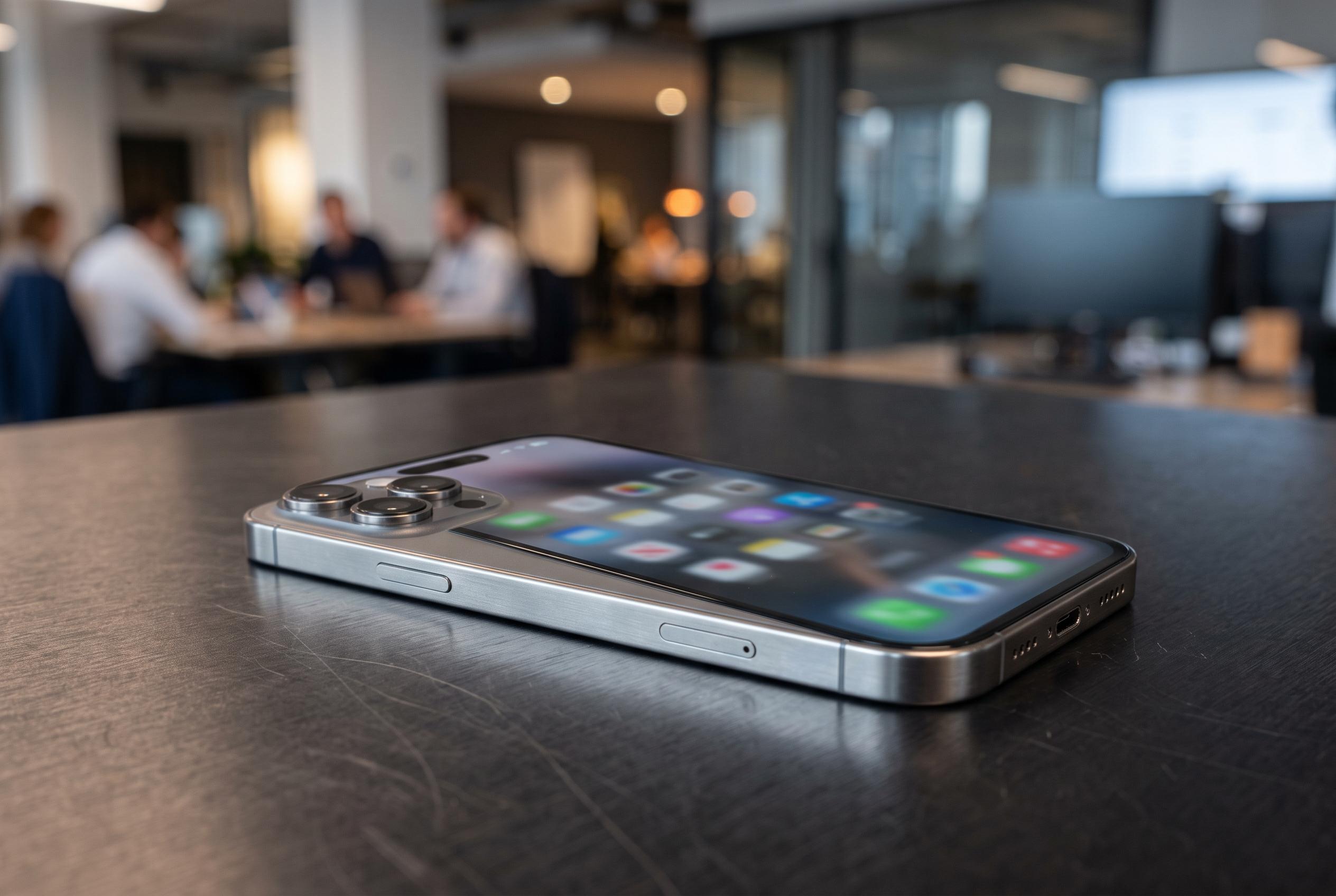

Apple is reportedly contemplating a substantial increase in the starting price of the iPhone 18 Pro, driven by soaring memory component costs and supply chain pressures. The move aims to balance pricing with new features while managing customer expectations ahead of the September launch.
Apple appears to be preparing another round of price increases for its next flagship iPhones, with the iPhone 18 Pro now widely expected to carry a higher entry price in the United States. According to Bloomberg’s Mark Gurman, the company has been watching how Samsung and Google handled recent increases before settling on how far it can go without unsettling buyers.
The most plausible move, analysts say, is a $100 rise, which would lift the iPhone 18 Pro from the current $1,099 starting price to $1,199. MacRumors has reported that some estimates are even higher, with projections ranging from about $1,299 to $1,399 depending on how much Apple chooses to absorb in component costs.
The pressure is being driven by memory pricing. Counterpoint Research says mobile DRAM rose by more than 50% quarter on quarter in the first quarter of 2026, while NAND flash prices climbed by more than 90%. Those parts feed directly into phones, tablets and computers, and the shift in supply is being amplified by demand from AI infrastructure, which has soaked up production capacity.
Apple has already shown it is willing to pass on some of those costs elsewhere. In June, it raised prices across much of its Mac and iPad range, with some models increasing by roughly 23% on average, according to reporting cited by MacRumors. The company said at the time that memory costs were rising sharply and warned they would weigh on margins.
That makes a September iPhone refresh a more convenient moment for any adjustment. A new launch gives Apple room to reframe pricing through storage changes, trade-in credits, carrier offers and monthly finance plans, rather than announcing a blunt increase on unchanged hardware. It also allows the company to preserve planned specifications, including the additional memory needed for more capable on-device AI features.
Still, Apple will have to avoid pushing too far. Its products tend to hold value better than many rivals’ phones, but customers are already keeping devices longer, and a higher entry price could make upgrades easier to delay. The final position will depend on whether Apple adjusts only the Pro models, how it prices the Pro Max, and whether it changes storage tiers when the lineup is announced in September.
Disclaimer: This content is intended for informational purposes only. Readers are advised to exercise their own judgement, conduct due diligence, or consult a qualified expert before acting on any information provided.