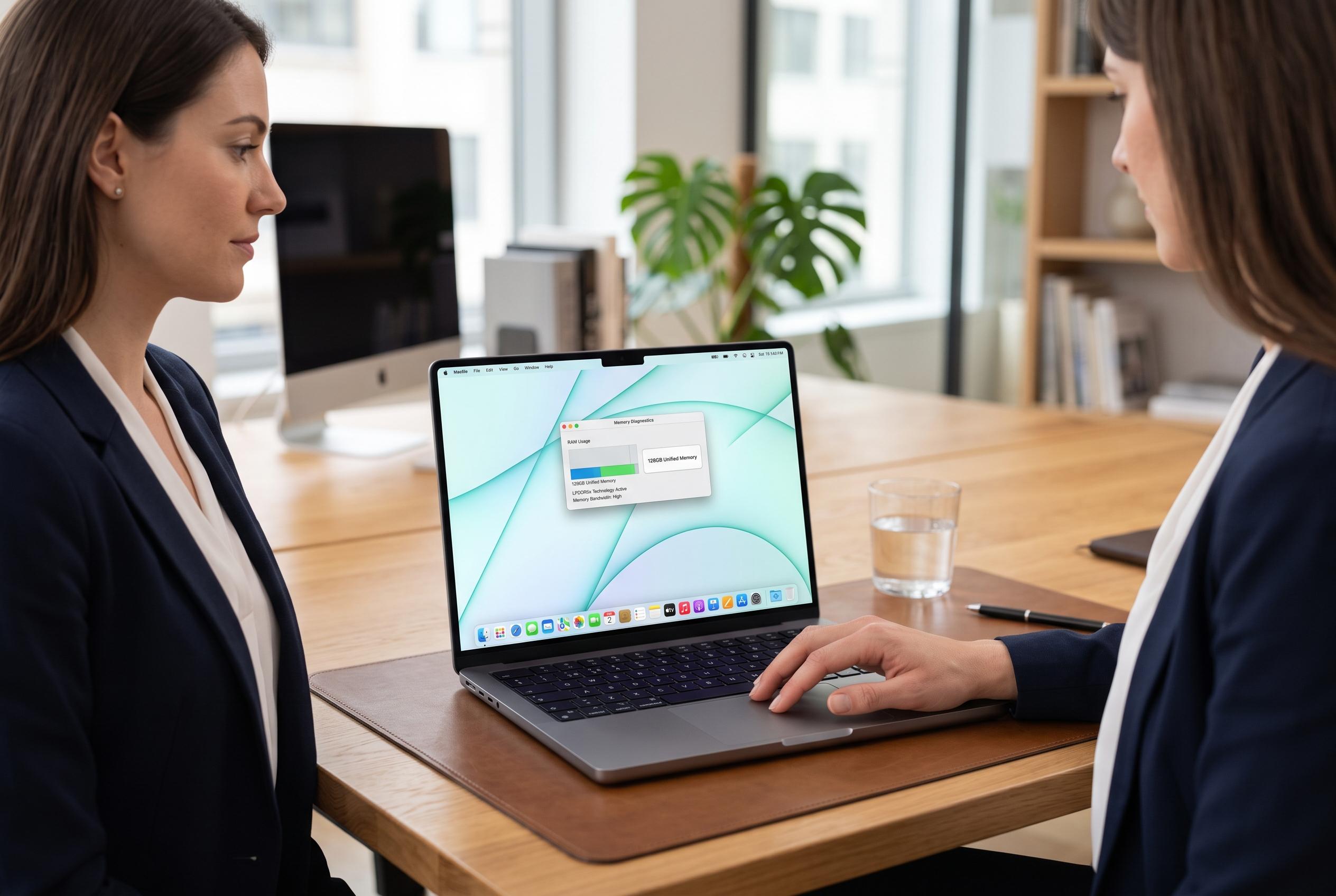

Apple is testing DRAM chips from China’s ChangXin Memory Technologies to mitigate supply pressures caused by AI-driven demand, signalling a shift in its sourcing strategy amid geopolitical and technological tensions.
Apple is testing DRAM chips from ChangXin Memory Technologies, a Chinese supplier backed by the state, as it looks for ways to ease pressure on its future iPhone and MacBook production, according to reporting cited by The Wall Street Journal and the Financial Times. The move reflects a wider supply squeeze created by artificial intelligence demand, which has pulled factory capacity towards high-bandwidth memory used in data centres and left fewer chips available for laptops, phones and tablets.
DRAM, or dynamic random-access memory, is the short-term working memory that helps devices run apps, switch between tasks and handle data quickly. It is different from permanent storage, but it is essential to device performance. Apple has not decided whether it would use CXMT parts in commercial products, and one possibility under discussion is limiting any initial use to devices sold in China.
The pressure on Apple has already shown up in pricing. Reuters reported that the company raised the price of some MacBook and iPad models in the United States in June, in some cases by as much as 25%, after chief executive Tim Cook warned that higher memory costs would weigh on margins. Other PC makers, including HP, Asus and Acer, have also used limited amounts of CXMT memory in computers sold outside the United States, suggesting the search is driven as much by supply as by cost.
CXMT has become the clearest symbol of China’s push to build a domestic DRAM industry. Counterpoint Research said it accounted for about 7% of global DRAM revenue in the second quarter of 2026, while other industry estimates cited by technology publications put its wafer capacity at roughly 11% last year. The company is still behind leading South Korean and US rivals on some technical measures, but it is expanding quickly and plans a second Beijing plant that would double capacity by 2028.
Any deal would also carry political risk. CXMT appears on the Pentagon’s 1260H list of companies alleged to have links to the Chinese military, though it is not on the Commerce Department’s Entity List, which would create stricter licensing barriers. That distinction matters because it means Apple may be able to buy standard parts without special approval, but American rules still limit technology transfer and collaboration on customised designs. According to reports, Apple is seeking White House backing before going further, a sign that the company is trying to balance supply security against the risk of a new confrontation with Washington.
The broader issue is that the AI boom is no longer confined to data centres. It is now affecting the cost and availability of consumer hardware, from phones to notebooks, and it may force even the most powerful US technology company to rely more heavily on Chinese suppliers. In that sense, Apple’s talks with CXMT are less an isolated sourcing experiment than a sign of how quickly the memory market is being reshaped by artificial intelligence.
Disclaimer: This content is intended for informational purposes only. Readers are advised to exercise their own judgement, conduct due diligence, or consult a qualified expert before acting on any information provided.