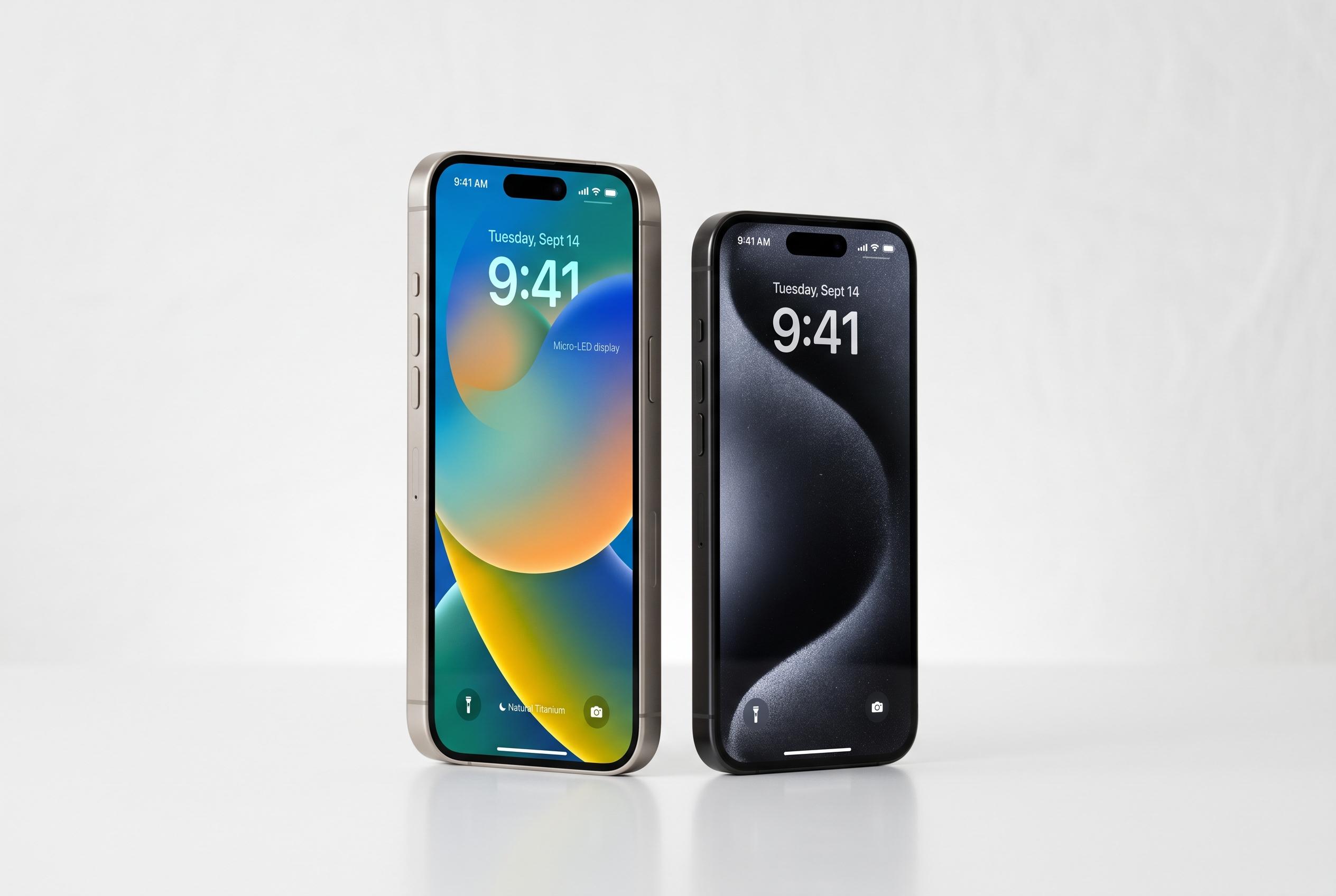

Apple is set to launch its new iPhone 18 series in September, featuring cost-efficient OLED panels, potential design changes, and advanced hardware, amid rising component costs and premium pricing strategies.
Apple is preparing a major refresh to its iPhone line-up, with reports pointing to a September launch for the iPhone 18 Pro Max, iPhone 18 Pro and a new iPhone Ultra, while the standard iPhone 18 is still expected later. The timing is not entirely settled. Some reports say the regular model could arrive early next year, while analyst Jeff Pu has separately been cited as placing it in spring 2027. Either way, the Pro models appear to be the first devices in the new cycle.
A key theme in the reporting is cost control. According to Korean outlet DealSite, Apple has negotiated lower prices for OLED panels from Samsung and LG for the iPhone 18 Pro series. The report says Apple may pay about $68 per panel for the Pro Max display, down sharply from the roughly $110 to $120 range cited for the iPhone 17 Pro Max. LiveMint reported a similar figure, saying Apple is aiming for about $70 per panel as memory and storage costs rise.
The lower display cost may help offset a broader rise in component pricing, but it is unlikely to mean cheaper phones for buyers. Other reports suggest Apple is still preparing a more expensive generation. PhoneArena says the iPhone 18 Pro models could arrive at higher prices, with upgrades that may include a 2nm A20 Pro chip, a smaller Dynamic Island and a revised camera system. Gizmochina, citing Jeff Pu, added that the Pro models are expected to use 12GB of LPDDR5 memory and an in-house C2 modem.
The standard iPhone 18 is also expected to gain from changes first introduced on the Pro models. 9to5Mac, citing Pu’s research note, said the base model may move to 12GB of RAM and adopt a redesigned Dynamic Island after it debuts on the higher-end devices. Other leak reports have gone further, suggesting the cut-out could be about 35% smaller and that some Face ID components may move under the display. For now, Apple has not confirmed any of these details, and the final design and launch schedule could still change.
Disclaimer: This content is intended for informational purposes only. Readers are advised to exercise their own judgement, conduct due diligence, or consult a qualified expert before acting on any information provided.