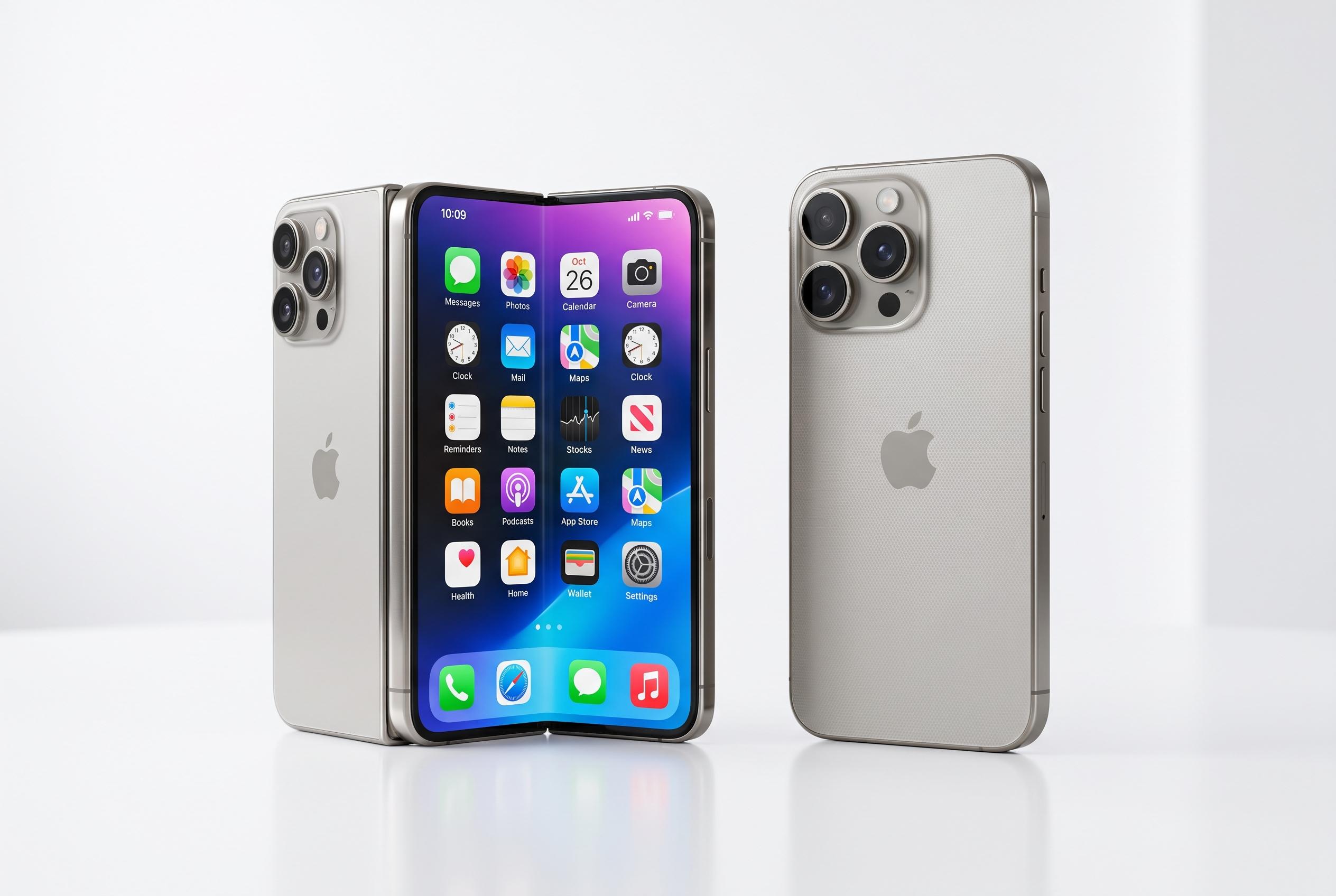

Apple plans to prioritise its high-end iPhone models, including a new foldable device, in 2026, signalling a shift towards value and profitability amid increasing manufacturing costs and strong demand.
Apple is reported to be preparing a major shift in its iPhone launch strategy, with its 2026 premium models taking priority while the standard iPhone 18 is pushed into the first half of 2027. According to Nikkei Asia, the company wants to direct scarce production capacity towards its three most expensive phones, including its first foldable model, as memory-chip and materials costs continue to rise. That would mark a notable departure from Apple’s usual pattern of unveiling a broad iPhone range at the same time.
The move would make commercial sense if component costs remain elevated. Premium devices give Apple more room to absorb higher input prices without eroding margins as sharply as on lower-priced models. A tighter launch slate would also allow the company to reserve advanced parts such as high-capacity memory and display components for the handsets most likely to deliver the strongest profit per unit. In effect, Apple would be choosing value over volume.
The foldable model is central to that calculation. MacRumours reported that Apple’s first foldable, which some analysts have dubbed the “Ultra”, is on track for a September 2026 debut alongside the iPhone 18 Pro and iPhone 18 Pro Max, with components already shipping in small quantities. Macworld has said the device may carry a 7.8-inch internal display, a titanium alloy hinge and dual 48-megapixel cameras, while pricing estimates range from about $1,999 to as much as $2,500. A book-style design would place Apple in direct competition with Samsung’s established foldable line, but with the company’s own premium brand behind it.
That makes the launch both a technology test and a pricing test. UBS analysts, as reported by PhoneArena, have suggested Apple may be able to bring the bill of materials below expectations, helped by savings in memory, processors and camera modules. Even so, foldables remain more complex to build than conventional smartphones, and Apple has reportedly been working on the technology since 2018, underscoring how long it has taken to reach a commercial product.
The wider backdrop is one of strong iPhone demand and rising pressure on hardware economics. Apple recently beat Wall Street revenue forecasts, helped by robust demand in China, and chief executive Tim Cook described appetite for the latest devices as “staggering”, according to the company’s earnings commentary. That gives Apple some room to experiment with its release schedule. But if it does concentrate supply on its most expensive models, the company would be signalling that the next iPhone cycle is less about maximising unit sales than protecting profitability in a more expensive manufacturing environment.
Disclaimer: This content is intended for informational purposes only. Readers are advised to exercise their own judgement, conduct due diligence, or consult a qualified expert before acting on any information provided.