
Apple is evaluating Chinese firm CXMT’s memory modules to address critical supply chain disruptions, amid geopolitical tensions and a mounting global RAM shortage affecting device production and costs.
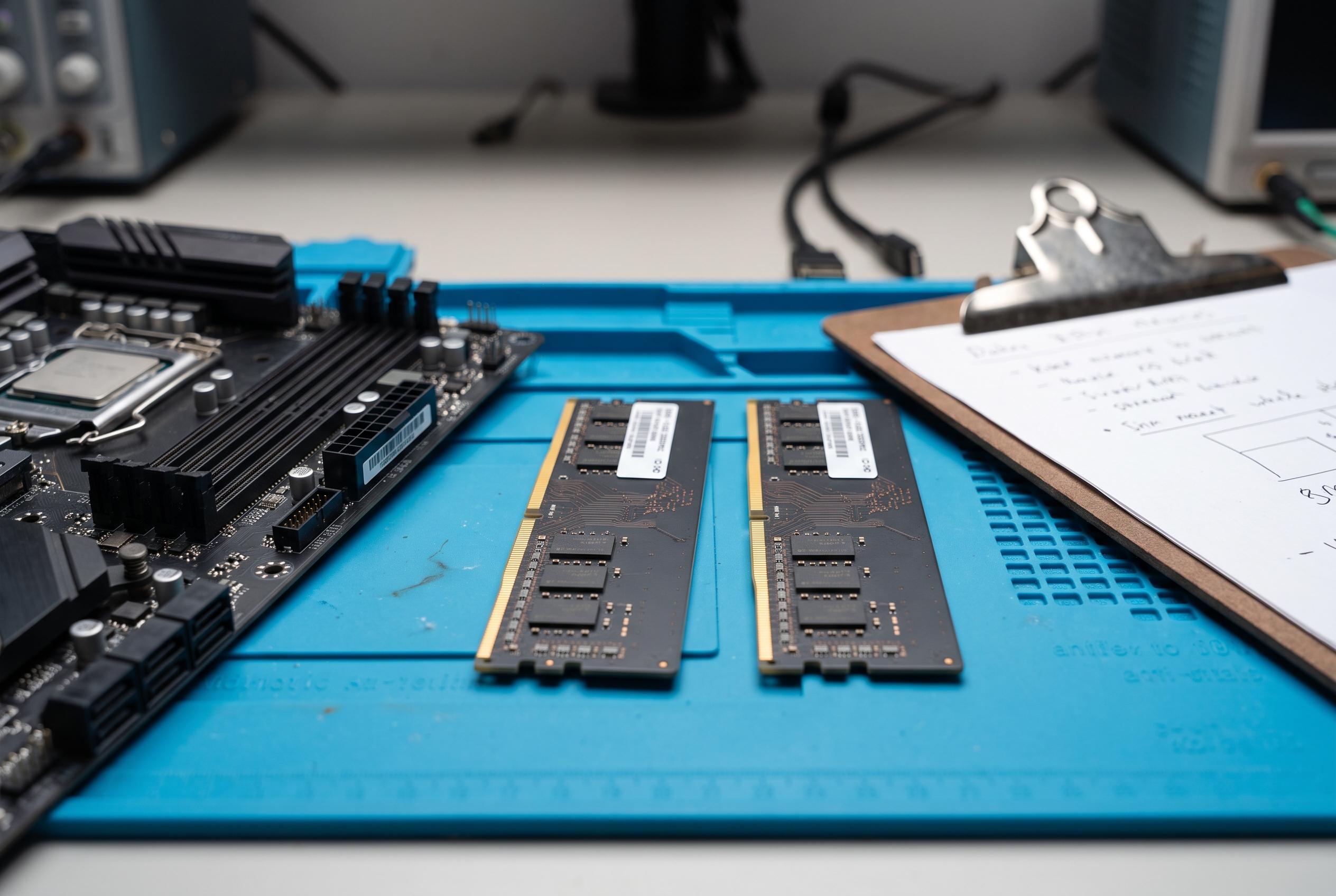
Apple is testing memory chips from China’s ChangXin Memory Technologies as the group seeks ways to ease pressure from a global RAM shortage that is lifting prices and disrupting product planning across the electronics industry. The Wall Street Journal reported that the company has begun technical validation of CXMT memory for devices sold in China, including iPhones and MacBooks, although no commercial agreement has been confirmed.
The move comes as memory constraints have started to affect Apple’s own supply chain. Tom’s Hardware reported that shortages of DRAM, the working memory used in phones and computers, have left about $1 billion worth of iPhone 18 Pro processor wafers waiting for packaging, complicating production of the A20 Pro and C2 chips. The report said Apple still expects to meet initial launch demand, but tighter supply could weigh on later shipments.
CXMT has emerged as a more important supplier as major memory makers such as Micron, Samsung and SK Hynix concentrate heavily on high-bandwidth memory for artificial intelligence systems. GamesRadar reported that CXMT’s share of the global DRAM market rose sharply in the second quarter, while PC Gamer said brands including HP, Asus and Acer have already begun using the company’s chips in some laptops sold outside the United States. Industry reports also suggest Apple has been exploring local memory sourcing for Chinese-market devices, reflecting how severe the shortage has become.
Any wider deal would still face political obstacles. Reuters reported earlier this year that the Trump administration had considered placing CXMT on a commerce blacklist before dropping the plan, underscoring Washington’s view of the company as a national security concern. MacRumors, citing the Financial Times, said Apple is still lobbying US officials for approval to work with the supplier. For now, the testing stage appears to be a pragmatic hedge: if regulators allow it, Apple could tap CXMT’s growing capacity without restarting qualification work later.
Disclaimer: This content is intended for informational purposes only. Readers are advised to exercise their own judgement, conduct due diligence, or consult a qualified expert before acting on any information provided.