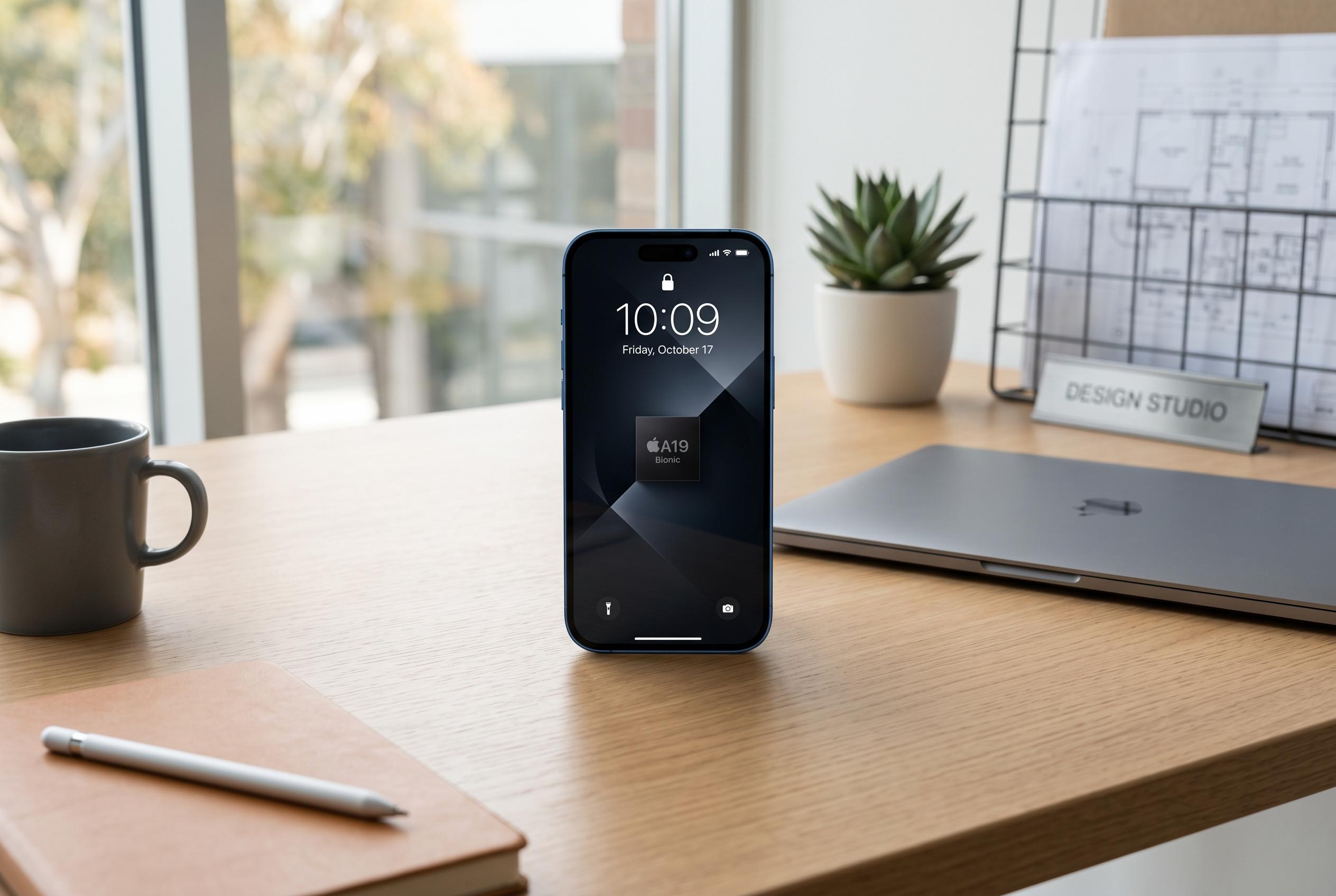

Apple is nearing a major shift in its iPhone release strategy, with reports indicating a split launch schedule that delays the standard iPhone 18 to 2027, marking its first staggered release approach in years.
Apple appears to be preparing the biggest change to its iPhone launch calendar in years, with reports pointing to a split release schedule that would move the standard iPhone 18 out of the usual autumn window. MacRumors said the company now plans to keep its higher-end models for September 2026, while the base iPhone 18 would follow in spring 2027.
The pattern would mark a clear break from Apple’s long-running habit of unveiling its main iPhone line-up together each autumn. According to MacRumors, the iPhone 18 Pro, iPhone 18 Pro Max and Apple’s first foldable iPhone are expected in the second half of 2026, with the standard iPhone 18 and a cheaper iPhone 18e arriving months later. A revised iPhone Air 2 is also said to be part of the 2027 slate.
Hints of the shift have surfaced in the supply chain. MacRumors reported that Pegatron, one of Apple’s manufacturing partners, told investors that a major US customer had pushed back the launch of a new model to the first quarter of 2027, which would alter component orders and factory activity later in the year. Separately, Largan Precision chairman Lin En-ping reportedly described a delay to a major US client’s new model during the company’s annual shareholders’ meeting, also pointing to a first-quarter 2027 launch.
The change would fit a broader strategy of stretching the iPhone line across more price points and release dates. MacRumors has reported since early 2026 that Apple was considering moving the standard iPhone 18 into the first half of 2027, leaving the Pro models and a foldable device to carry the September 2026 event. That would give Apple six devices across two launch windows over roughly six months, rather than clustering the entire range into one autumn showcase.
Disclaimer: This content is intended for informational purposes only. Readers are advised to exercise their own judgement, conduct due diligence, or consult a qualified expert before acting on any information provided.