
The assistive technology market for people with visual impairments is experiencing significant growth as AI-powered devices, regulatory standards, and expanding user needs drive innovation across mainstream and specialised sectors.
Assistive technology for people with visual impairment is moving from a niche support category into a broader digital accessibility market, as screen readers, Braille displays, smart glasses, magnification tools, navigation aids, OCR systems and AI-driven mobile apps become more capable and more widely used. Industry reports say adoption is being supported by faster smartphone penetration, cloud processing and the growing expectation that education, work and public services should be usable by blind and low-vision users. The market has also been framed as a sizeable growth area, with one report valuing it at USD 5.6 billion in 2024 and projecting expansion through 2035.
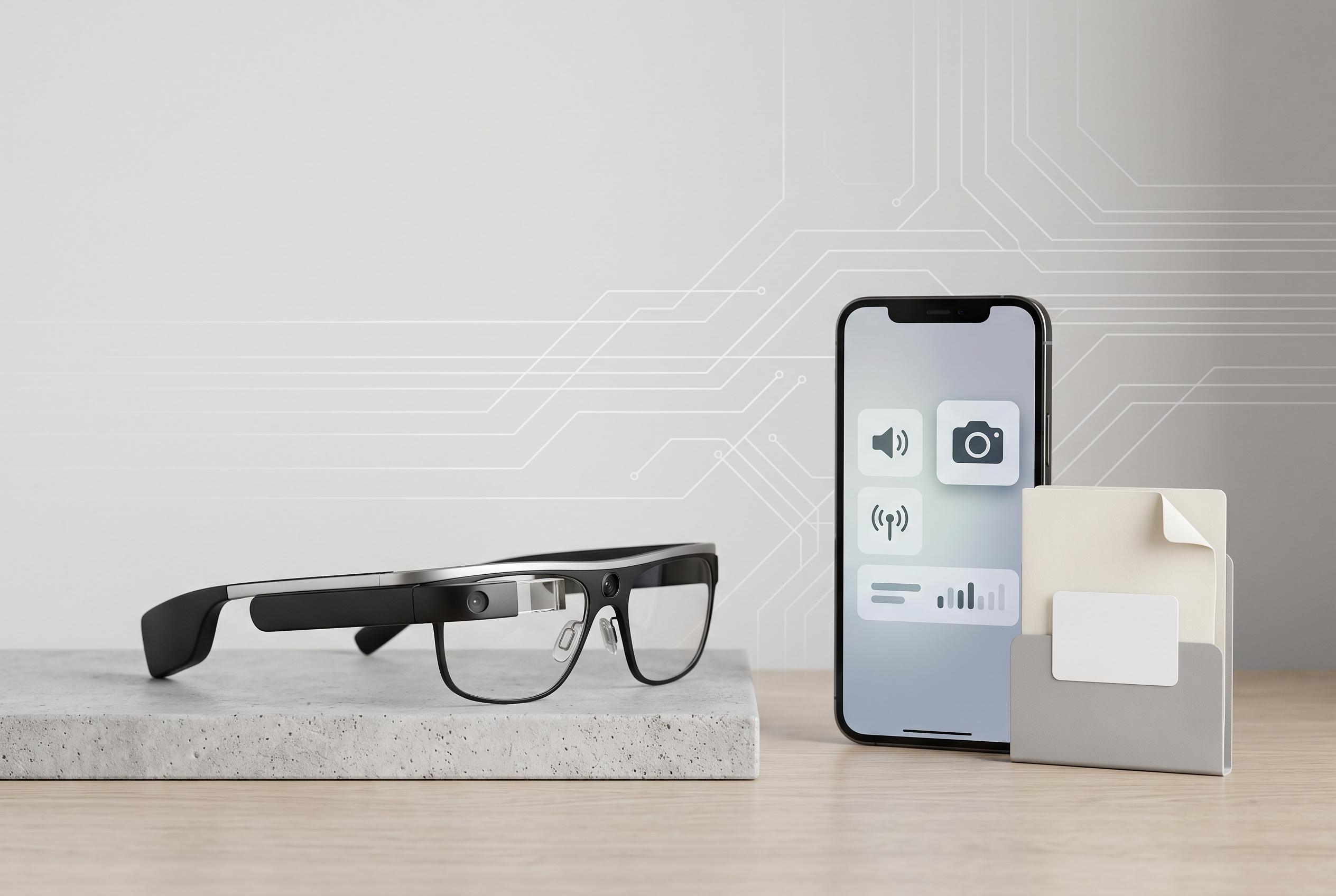
The main demand drivers are familiar and structural. According to market research from several firms, ageing populations and the rise in eye conditions such as glaucoma, cataracts, diabetic retinopathy and macular degeneration are expanding the user base. At the same time, artificial intelligence is making devices more practical, enabling features such as text reading, object recognition, face identification and obstacle detection. That shift is particularly important for wearable products, where the goal is to combine computer vision, voice guidance and mobility support in a form that is easier to carry and less dependent on specialist hardware.
Regulation and procurement are also shaping the market. Mordor Intelligence notes that accessibility rules in Europe and the United States are pushing organisations to standardise digital access, which is shortening buying cycles for public and institutional users. The report says 13.2 million Americans aged 65 and above report vision impairment, underlining the size of the addressable market and the long-term pressure on health systems, schools and employers to invest in accessible tools. Vendors are also benefiting from stronger recognition that inclusive design is no longer optional in many sectors.
Demand is spreading across education, healthcare, employment, retail and government services. Reports from Wise Guy Reports and The Insight Partners show that the market now includes not only personal devices, but also education software, mobility tools, low-vision products and specialist systems for schools, hospitals and enterprises. Cloud-based OCR, multilingual screen readers and accessible learning platforms are becoming more common, while smartphone-based applications are lowering the cost barrier for users who cannot afford premium hardware.
Even so, the market still faces clear constraints. High prices remain a problem for Braille displays, smart glasses and advanced navigation wearables, especially in lower-income regions. Several reports also point to weak awareness and limited training as practical barriers to adoption, since many users need instruction before assistive devices deliver their full benefit. Still, the longer-term outlook remains positive, with analysts expecting continued growth as devices become smaller, cheaper and more tightly integrated with mainstream consumer electronics.
Disclaimer: This content is intended for informational purposes only. Readers are advised to exercise their own judgement, conduct due diligence, or consult a qualified expert before acting on any information provided.