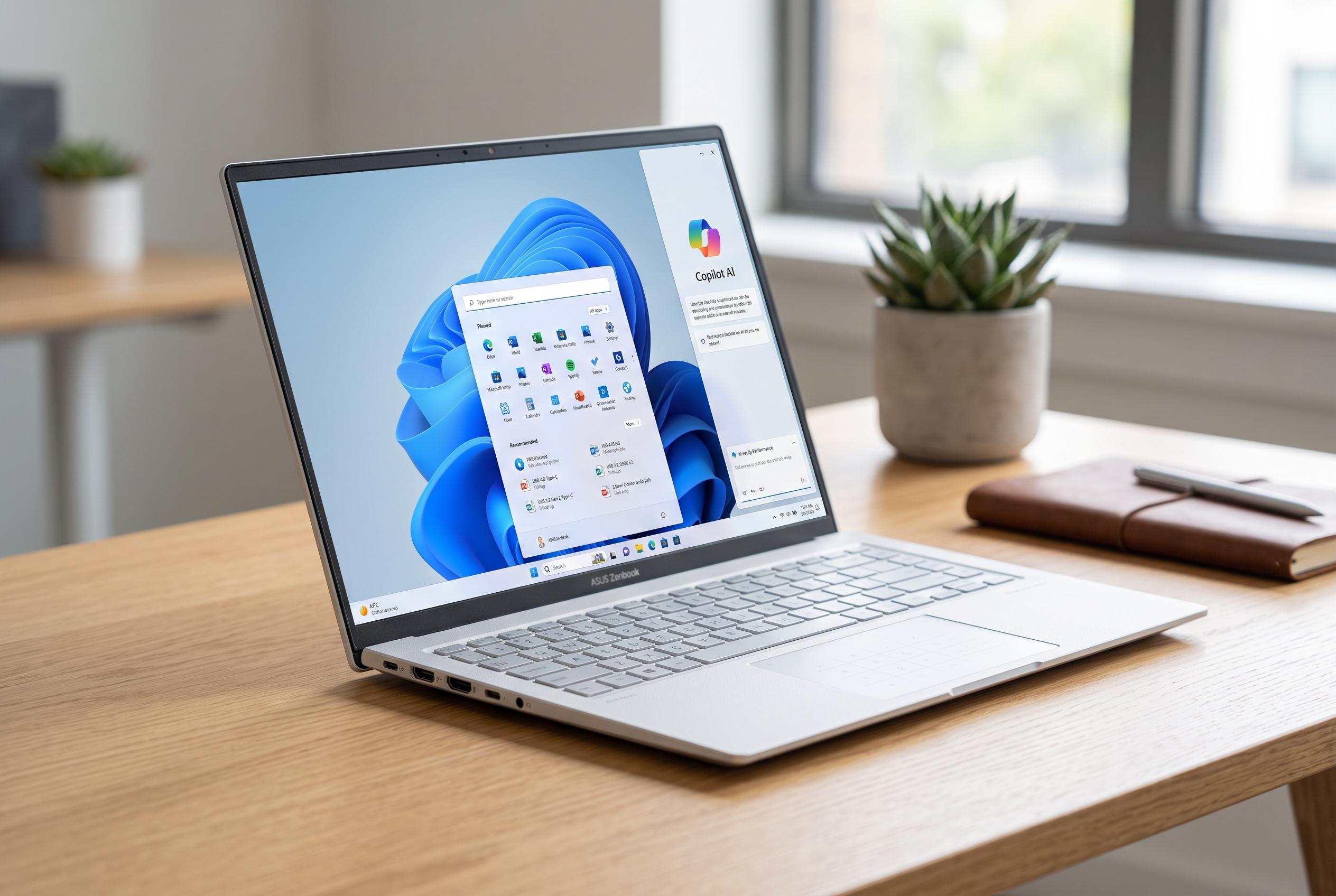

Leaked images reveal Asus and other major vendors are developing new Googlebook devices based on Aluminium OS, signalling a shift towards AI-first desktops with innovative design and expanded port support, ahead of their expected 2026 launch.
New leaked images suggest Asus is preparing one of the first laptops built for Google’s new Googlebook platform, with a launch expected around the IFA trade show in Berlin. The timing fits earlier indications that Google wanted hardware partners to bring the first wave of devices to market later this year, turning what had sounded like a software concept into a tangible product category.
The clearest sign of the platform’s direction is the operating system beneath it. Reporting around the project points to Aluminium OS, an Android-based desktop system that is intended to blend Google Play app support with elements of Chrome and Chrome OS. Google has also tied the effort closely to Gemini, its AI assistant and model family, which suggests the company wants these machines to feel more like AI-first PCs than conventional Chromebooks.
The Asus renders show a design that appears aimed at practicality rather than novelty. The device is said to use a lightweight ultra-ceramic alloy, which would make the chassis 34% lighter and 13% more durable than previous generations, according to the leak. It also appears to retain a generous set of ports, including a 3.5mm audio jack, two USB Type-C ports, two USB Type-A ports and HDMI output. One of the defining visual cues is the glowbar light strip that Google has previously signalled as a signature feature of the Googlebook line.
Lenovo is also expected to be among the earliest vendors to ship Googlebook hardware. Leaked images of its first lineup indicate two laptops and a 2-in-1 tablet, with a premium positioning likely as component costs rise. Those devices are expected to arrive later in 2026 and may be shown in greater detail at Google’s Pixel event on August 12. Beyond Asus and Lenovo, Acer, Dell and HP are also reported to be working on their own Googlebook models, underlining Google’s broader ambition to build a full desktop hardware ecosystem around the new platform.
Disclaimer: This content is intended for informational purposes only. Readers are advised to exercise their own judgement, conduct due diligence, or consult a qualified expert before acting on any information provided.