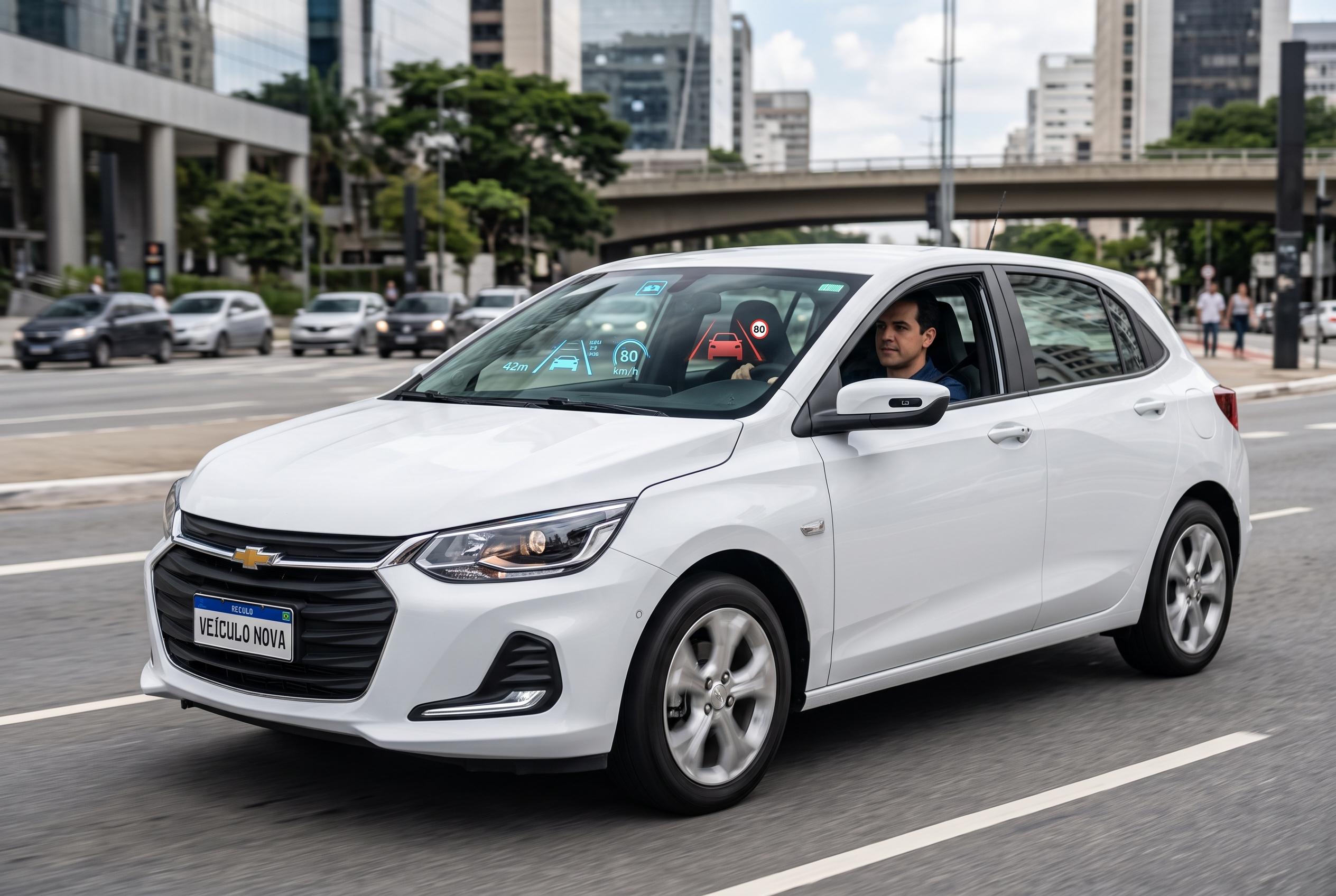

New vehicle models in Brazil are embedding AI to enhance safety, personalise driver experience, and optimise vehicle performance, marking a shift from futuristic concepts to everyday driving tools.
Artificial intelligence is now embedded in some of the cars sold in Brazil, not as a futuristic option but as part of the everyday driving experience. In the newest models, software can interpret natural speech, learn routine preferences, suggest routes, manage energy use and support driver-assistance systems that monitor the road in real time. Canaltech says this shift is already visible at the point of purchase, with several vehicles using AI quietly in the background to adjust electronics, improve range and enable over-the-air updates.
BMW is one of the clearest examples. According to BMW, the Intelligent Personal Assistant is cloud-based and can respond to spoken commands, explain vehicle functions, check status information and automate habits such as preferred cabin settings. BMW has also announced a wider AI push through Amazon’s Alexa+ technology, which it says will deepen natural-language interaction in vehicles that run BMW Operating System 9 and X. The company says the feature will begin with the iX3 and then expand to other models in Germany and the United States in the second half of 2026.
Mercedes-Benz takes a similar approach with MBUX, its infotainment system, which the company says uses artificial intelligence to handle natural voice commands and adapt to the driver over time. Mercedes-Benz says the software can manage navigation, climate and entertainment while learning preferences from repeated use. Recent models have also gained the MB.OS operating system, which the company says broadens integration between the user interface and the vehicle’s core systems.
Volvo’s EX30 shows another side of the technology: real-time processing for safety. The brand says the compact SUV uses an architecture developed with Nvidia to handle data from cameras, radar and other sensors at high speed. That computing power is intended to help spot risks earlier, support collision avoidance and continuously improve the safety systems around the car.
Among the other examples cited by Canaltech are the Omoda E5, which uses AI for automatic personalisation, remote software updates and integrated electronic management, and the BYD Seal, which combines its DiLink system with algorithms aimed at voice control, battery temperature management and energy distribution. Taken together, the models show how AI in modern cars is no longer limited to answering questions; it is increasingly involved in how the car behaves, protects occupants and uses power.
Disclaimer: This content is intended for informational purposes only. Readers are advised to exercise their own judgement, conduct due diligence, or consult a qualified expert before acting on any information provided.