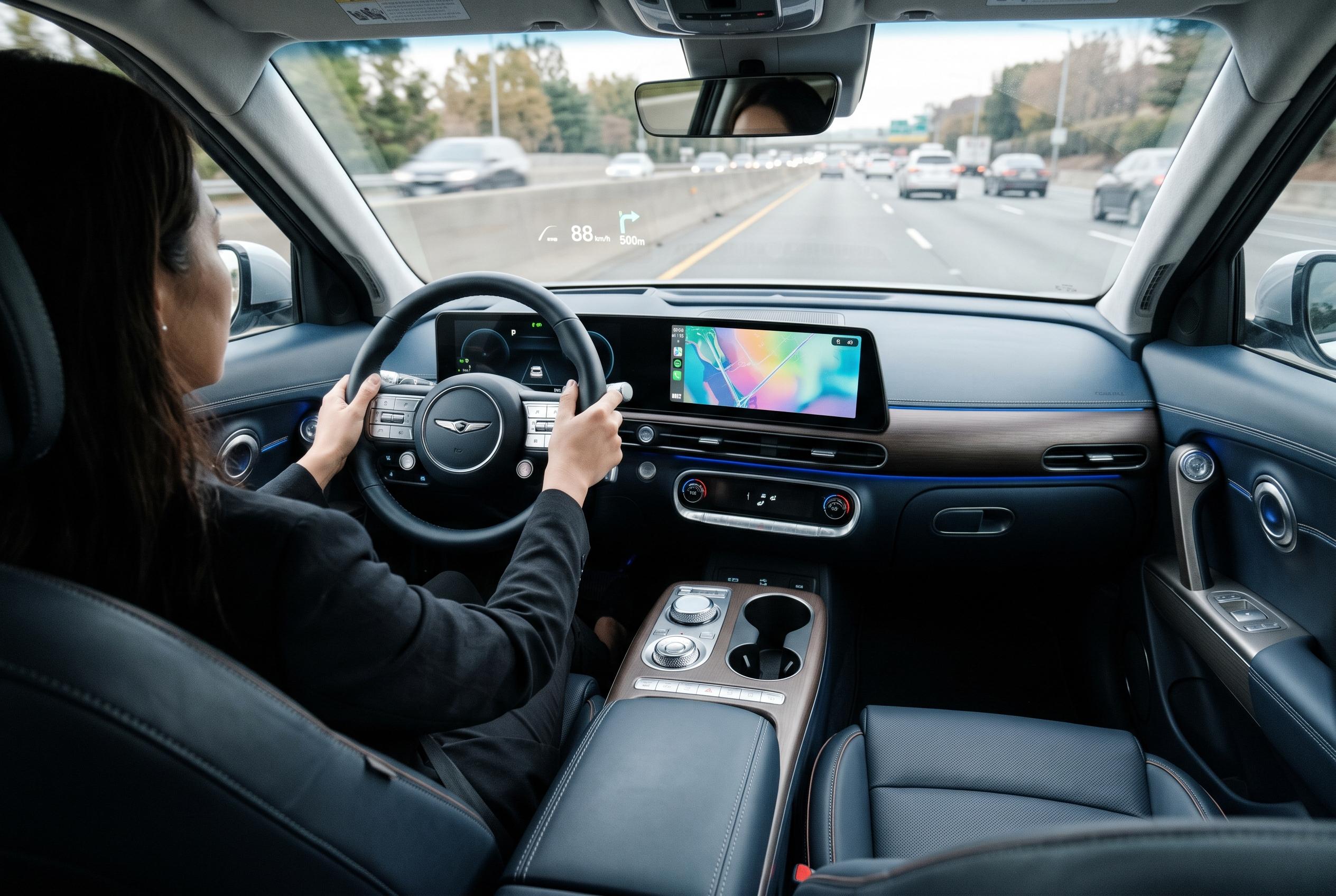

Proposed rules would subject large infotainment panels and head-up displays to tougher safety tests while restricting foldable screens, concealed door handles and reclining seats.
China is preparing a wider tightening of its vehicle interior rules as regulators move to curb some of the design trends that have spread quickly through the industry. According to Carscoops and later reporting by other motoring publications, the Ministry of Industry and Information Technology is considering new safety requirements for large infotainment panels, complex head-up displays and other in-car screens, with the aim of reducing distraction and improving resilience in difficult conditions.
The draft rules would go further than a simple warning against oversized displays. Vehicles fitted with central control entertainment screens, broad display surfaces or advanced head-up systems could be required to pass safety checks covering driver distraction, crash performance and reliability in harsh environments before they are approved for sale. Reports from Livemint, AutoExpress and Carscoops also say regulators are looking at banning foldable or flexible displays, even though no mass-market model is understood to use them yet.
The proposed changes are part of a broader review of interior design choices that Chinese regulators appear to regard as potentially risky. According to paultan.org and AutoExpress, the draft also reinforces restrictions on fully concealed door handles, following earlier moves in China to curb electronic door-handle designs. At the same time, the authorities are weighing limits on so-called “zero gravity” seats, which recline fully and include integrated leg supports, particularly when the vehicle is moving.
The proposals also touch other functions that have become more common as carmakers have loaded cabins with more software-driven features. Reports cited by Carscoops and other outlets say the ministry is considering tighter controls on decorative LED daytime running lights and on voice-control systems, which could be restricted to core functions such as switching on the headlights, opening doors or releasing the bonnet. Public comments on the draft are open until November 10, 2026, and the final shape of the rules could influence how automakers balance styling, convenience and safety in one of the world’s largest car markets.
Disclaimer: This content is intended for informational purposes only. Readers are advised to exercise their own judgement, conduct due diligence, or consult a qualified expert before acting on any information provided.