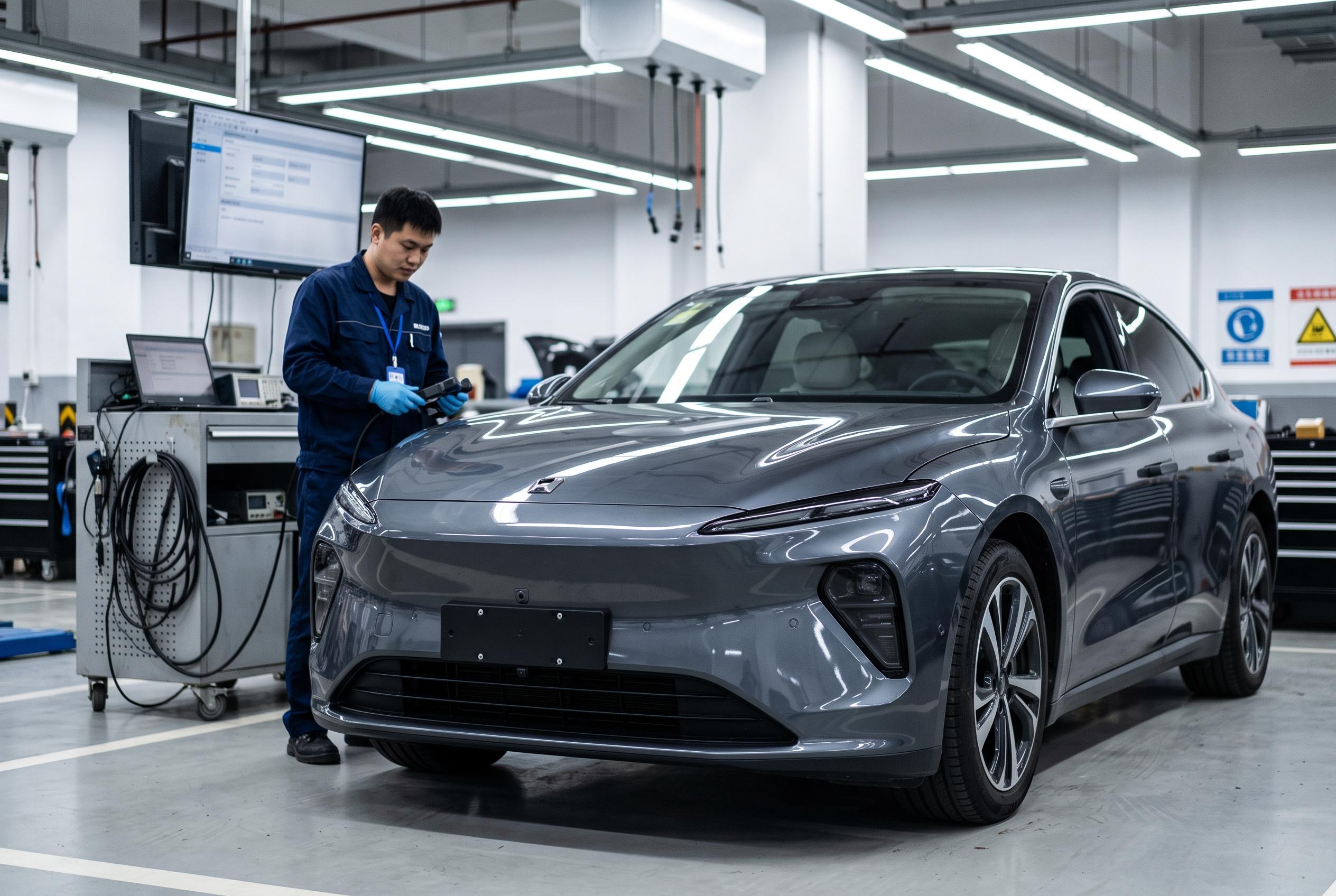

China is implementing stricter market-entry checks and quality controls for electric vehicles, focusing on innovative designs and autonomous systems, in response to rising safety concerns and industry growth challenges.
China is moving to sharpen its grip on the fast-growing electric vehicle sector, with regulators preparing tougher market-entry checks for new automotive products, especially where novel designs and autonomous-driving systems are concerned. According to the Ministry of Industry and Information Technology, the aim is to stop inadequately tested vehicles from reaching customers and to reduce the safety and quality risks that have drawn public attention in recent months.
At a press briefing in Beijing, MIIT vice minister Xin Guobin said some manufacturers had pushed aggressive design changes into production without enough validation. He said the ministry will tighten review procedures, expand testing requirements for innovative vehicles and increase inspections to make sure products delivered to market match approved specifications. Chinese industry publication CnEVPost reported that the ministry also plans to overhaul how automakers’ production qualifications are managed and to reshape the sector’s regional footprint in the name of better market order.
The new stance comes after a broader regulatory crackdown on self-driving claims and intelligent driving features. South China Morning Post reported that, in April 2025, MIIT warned dozens of companies to comply fully with rules on autonomous-driving development after a fatal Xiaomi accident, stressing that public testing needs official approval. MotorTrend later reported that the ministry also moved to ban loose marketing terms such as “autonomous driving” in favour of formal SAE-level descriptions, reflecting official concern that consumers are being misled about what driver-assistance systems can actually do.
The latest measures sit within a wider five-year policy framework for the intelligent connected NEV industry covering 2026 to 2030. According to MIIT’s outline, the plan combines stronger quality controls with support for charging and battery-swapping infrastructure, better battery durability in cold conditions and tighter safety requirements for autonomous systems. El País’ Cinco Días reported that the campaign follows a record recall wave affecting more than 7 million vehicles and includes a year-long push by several ministries and the market regulator to improve consistency, reliability and verification of new technologies. MIIT is also seeking to curb what it calls irrational competition, while encouraging greater international cooperation as Chinese NEV makers expand abroad.
Disclaimer: This content is intended for informational purposes only. Readers are advised to exercise their own judgement, conduct due diligence, or consult a qualified expert before acting on any information provided.