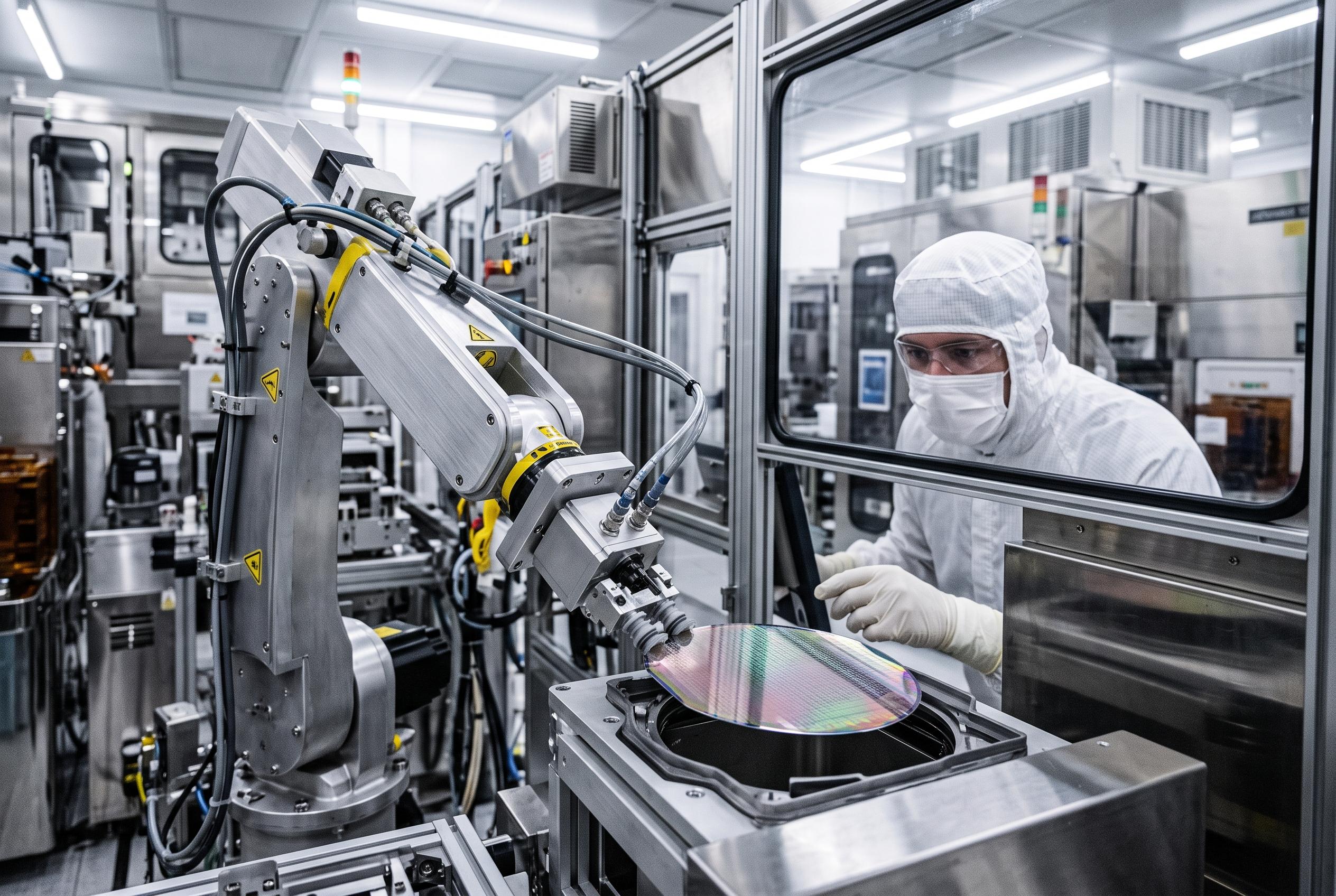

China is selectively slowing shipments of critical materials like germanium and quartz to Taiwan, intensifying supply pressures in sectors including optics, semiconductors, and aerospace amid strategic tensions.
China is slowing or complicating shipments of germanium- and quartz-related materials to Taiwan, according to Nikkei, in a move that is already feeding supply pressure across parts of the island’s technology, optics and aerospace sectors. Taiwanese firms have reported longer customs delays for materials tied to germanium, quartz and some permanent magnets, and in some cases say orders have been lost while shipments await clearance. The pattern described by Nikkei suggests a selective tightening rather than a blanket halt.
The controls matter because Beijing already has formal leverage over these materials. China imposed export controls on germanium in 2023 and on quartz in late 2024, while exporters are required to disclose the customer and end use before shipment can proceed. That gives Chinese authorities scope to approve, reject or simply slow deliveries, effectively turning customs review into a policy tool. Industry summaries cited by Tom’s Hardware say the reported delays appear to be aimed at specific sectors in Taiwan, particularly optics, photonics, semiconductor manufacturing and high-performance robotics.
Germanium is the more strategically sensitive material in the near term. It is used in infrared optics, silicon photonics and optical-fibre production, and China still dominates global supply. That raises the risk of bottlenecks not only for defence-related sensing, but also for data-centre connectivity, where germanium-based photodetectors and germanium-doped fibre can be important. However, analysts cited in the summaries also note that alternative supply chains, recycling and substitution can soften the impact, and that the restrictions described so far appear to affect Taiwan-based buyers rather than the global market as a whole.
Quartz is a broader industrial input, but the technical detail matters. Semiconductor tools use high-purity silica and fused silica, while optical fibre generally relies on synthetic ultra-pure silica rather than natural quartz. That means China’s tighter export handling may be more disruptive to selected optical components and semiconductor-related processes than to fibre production itself. The same is true for magnets: the reported pressure is less about neodymium as a raw material than about higher-grade NdFeB magnets, especially those enhanced with terbium or dysprosium for aerospace and robotics applications.
For Taiwan, the wider significance is that Beijing may not need an explicit embargo to create strategic friction. By screening shipments on the basis of material type, customer and declared end use, China can slow sensitive supply chains while leaving others largely untouched. That makes the policy harder to measure, but potentially more effective, particularly in sectors where even short delays can disrupt production schedules and cost manufacturers business. What remains unclear is how far such controls will spread beyond Taiwan, and how much resilience global buyers can build before the constraints become more visible outside the island.
Disclaimer: This content is intended for informational purposes only. Readers are advised to exercise their own judgement, conduct due diligence, or consult a qualified expert before acting on any information provided.