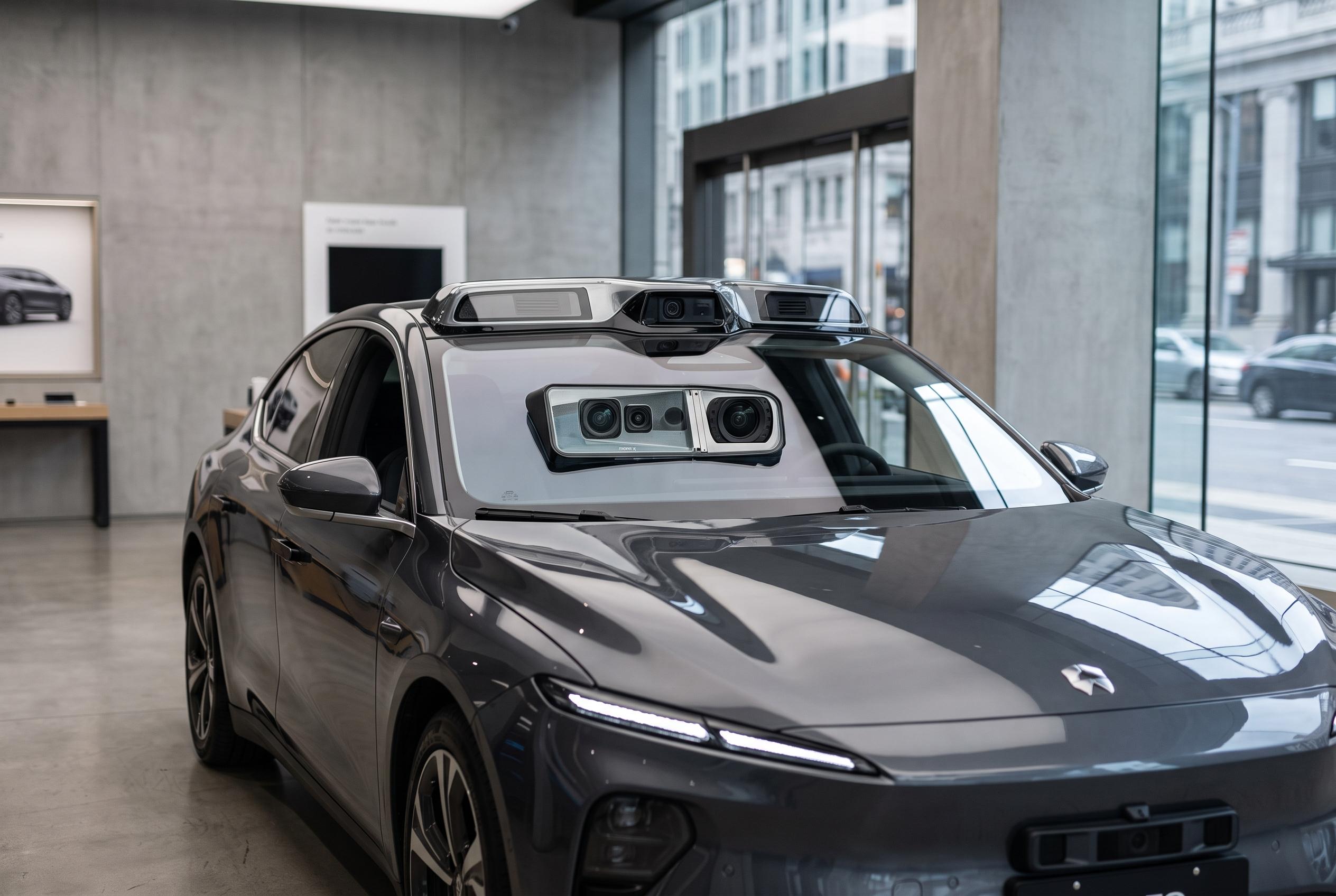

China has introduced a new set of standards and regulations to curb exaggerated claims and enhance safety for driver-assistance features in connected vehicles, following recent incidents and widespread adoption of such systems.
China has moved to rein in exaggerated claims about driver-assistance technology and to tighten safety rules for systems that are often marketed as something close to full self-driving. The new GB 47955-2026 standard, released by the Ministry of Industry and Information Technology, will apply from 1 January 2027 and sets mandatory requirements for combined driving assistance systems in intelligent and connected vehicles. According to the ministry, the rules cover basic single-lane assistance, multi-lane assistance and navigation-assisted driving systems, alongside inspection and testing methods.
A key change is that these systems must now monitor whether the driver is paying attention. If the driver takes hands off the wheel or looks away and does not respond to warnings, the vehicle must issue alerts and, if necessary, activate risk-mitigation functions or shut down assistance. The aim is to reduce crashes linked to weak system capability and misuse by drivers, a problem Chinese officials have linked to a series of incidents in recent years.
The tightening follows intense scrutiny after the fatal crash of a Xiaomi SU7 in March 2025, which killed three university students. Reports on the incident said the car was in Navigate on Autopilot mode when the collision occurred, and Xiaomi later said the system had detected obstacles and issued warnings before the driver took over. The crash became a focal point in China’s wider debate over how such systems are described, tested and sold to the public.
That debate has now reached marketing language as well as engineering standards. Manufacturers are being pushed to avoid phrases such as “automatic driving”, “autonomous driving”, “intelligent driving”, “autopilot” and “advanced intelligent driving” in promotional material. Instead, they are expected to use the correct assisted-driving level designation. In practice, that means presenting these features as level 2 driver assistance unless they genuinely meet the far stricter thresholds for higher automation.
The new framework also bans valet-style functions, including self-parking and summon features that allow a car to move without anyone inside. Such capabilities have become common promotional material for Chinese brands and, in Tesla’s case, have also been used as part of its broader driver-assistance pitch. Regulators are now drawing a clearer line between convenience features and true autonomous driving, which under international definitions is limited to level 4 and level 5 systems.
The scale of the issue helps explain the pace of the crackdown. Motorpasión reported that around 70% of new cars sold in China already use combined driving-assistance systems, while more than 30% offer navigation-assisted driving. That makes China not only one of the largest markets for these technologies, but also one of the most exposed to the risks of overstatement, misunderstanding and overreliance.
Disclaimer: This content is intended for informational purposes only. Readers are advised to exercise their own judgement, conduct due diligence, or consult a qualified expert before acting on any information provided.