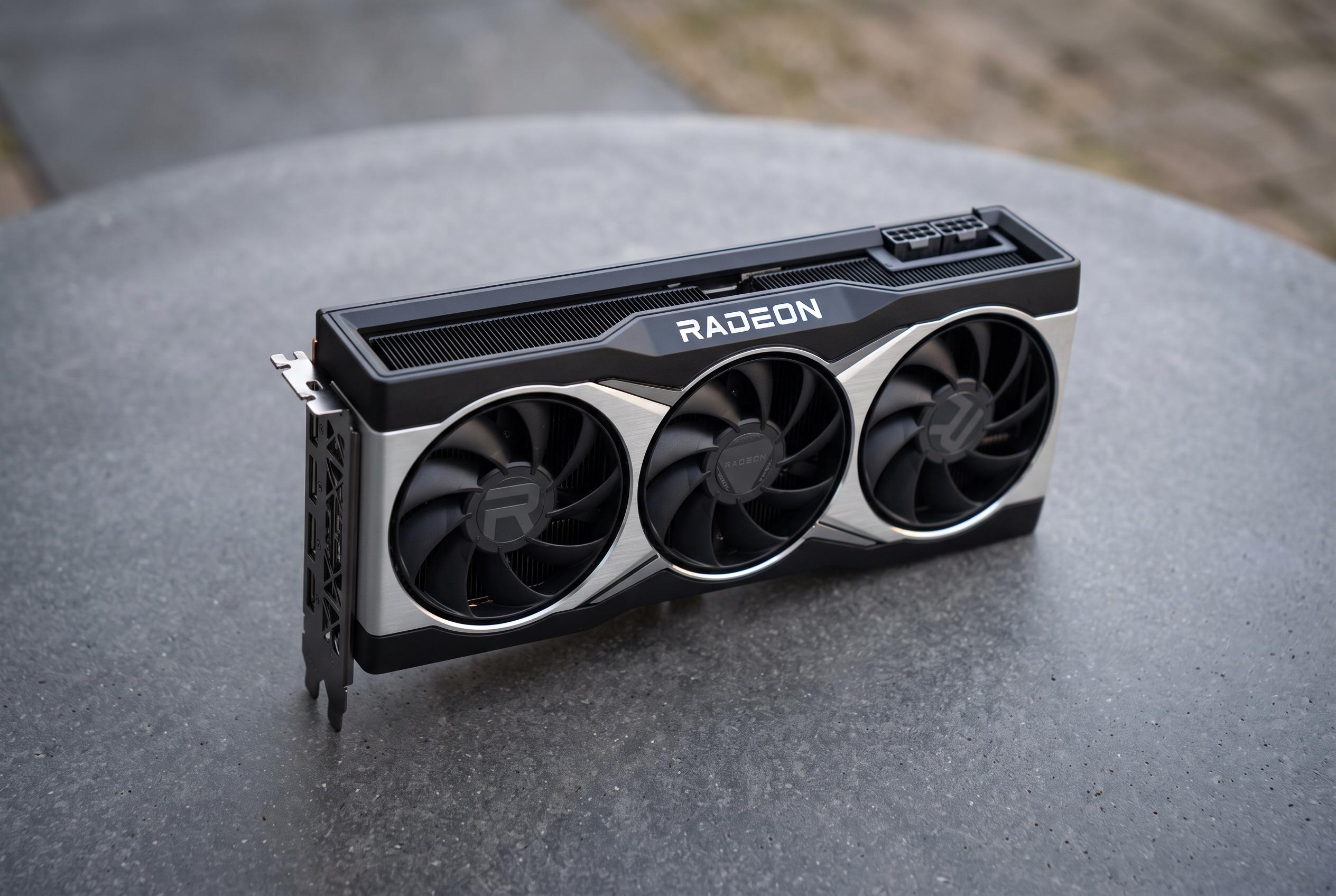

Prices for AMD’s Radeon RX 9000 series in China have surged by up to 20% amid a widespread memory shortage affecting the global GPU industry, signalling a shift driven more by supply constraints than chip launches.
AMD’s Radeon RX 9000 graphics cards are facing a fresh round of price pressure in China, with new third-quarter channel guidance reportedly lifting costs across the range by 5% to 20%. The sharpest rise appears to hit the Radeon RX 9070 XT, which has moved from about $830 to roughly $1,037, pushing it well beyond the price point AMD originally used to position the card. According to the TechJuice report, retailers in China had already started edging prices up before the formal guidance made the scale of the increase clear.
The revisions are being driven by a wider memory squeeze that is affecting the entire graphics card market. Reports cited by Tom’s Hardware and TechRadar point to tightening supply of GDDR6, GDDR7 and other memory types as demand from gaming GPUs, AI hardware and next-generation consoles competes for limited production. Samsung and SK Hynix are said to be struggling to increase output quickly enough, while Nvidia is also reportedly adjusting product plans as memory constraints spread through the industry.
The reported new prices in China would leave the Radeon RX 9070 at about $830, the RX 9070 GRE at $680, the RX 9060 XT 16GB at $637, the 8GB RX 9060 XT at $459 and the RX 7650 GRE at $370. TechJuice notes that these are China-specific sales guidance figures rather than a confirmed global AMD list price, and AMD has not announced a matching worldwide change for the RX 9000 line. Even so, the report says higher channel prices in China could still influence other markets if the same memory costs continue to feed through supply chains.
For buyers outside China, the immediate effect may be limited, but the broader trend is clear: graphics card pricing is being shaped less by chip launches than by memory availability. Tom’s Hardware reported that Nvidia drew attention at QuakeCon 2026 by selling RTX 50-series cards at launch MSRPs, underlining how unusual affordable stock has become. At the same time, industry reporting suggests the memory shortage may remain a structural issue for months, if not longer, with consequences for GPUs, laptops and other PCs.
Disclaimer: This content is intended for informational purposes only. Readers are advised to exercise their own judgement, conduct due diligence, or consult a qualified expert before acting on any information provided.