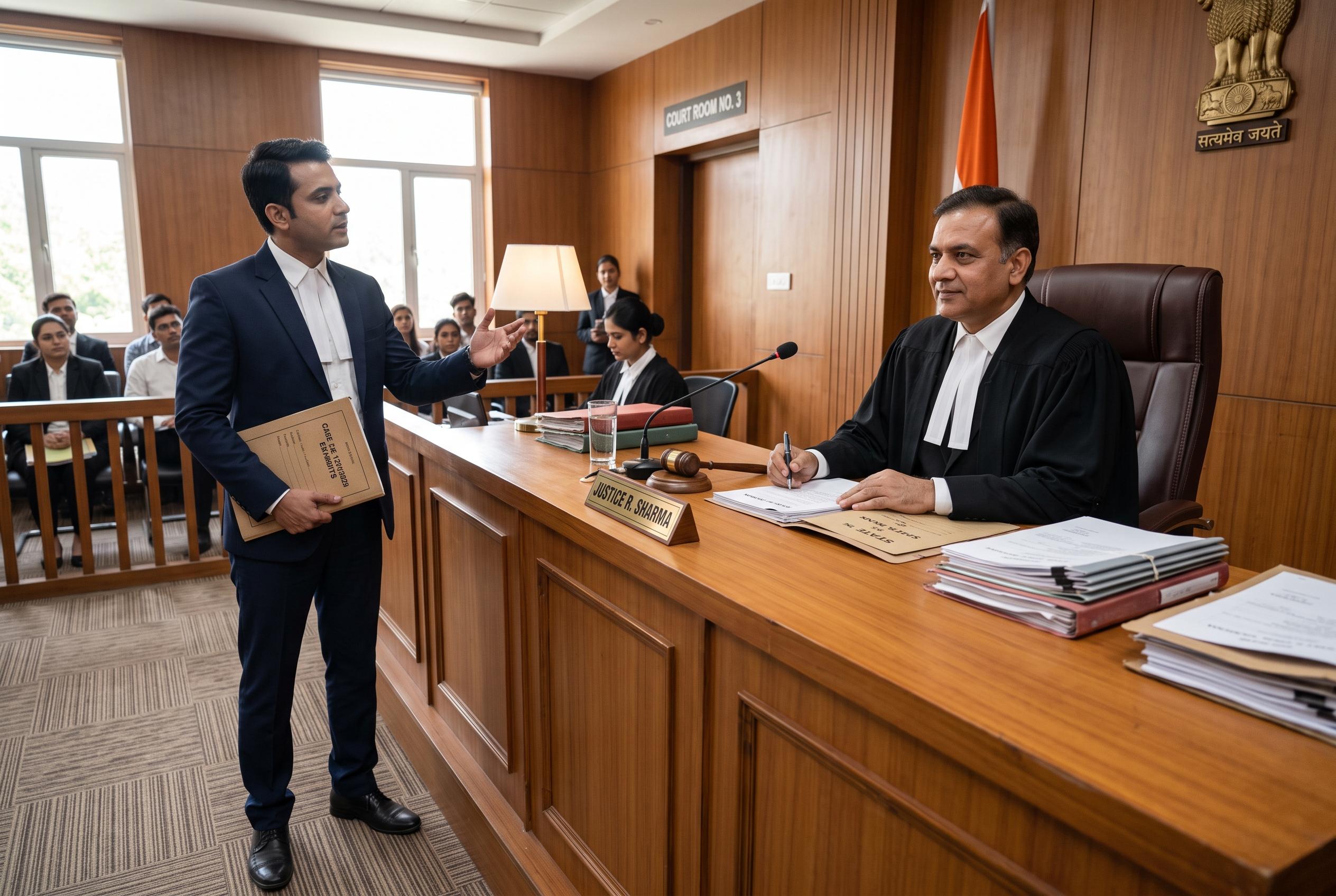

The Delhi High Court has mandated Shenzhen Transsion Holdings to provide interim security amid a complex patent dispute with InterDigital, highlighting the evolving legal landscape for standard-essential patents and licensing obligations in India.
The Delhi High Court has ordered Shenzhen Transsion Holdings to provide interim security in a patent dispute with InterDigital Patent Holdings, in a ruling that adds further shape to India’s developing law on standard-essential patents and FRAND licensing. The case concerns technologies used in 3G, 4G, 5G and HEVC video coding, and comes after years of failed licensing talks between the two companies.
According to the materials summarised by IAM, InterDigital began approaching Transsion in 2019 to negotiate a licence, but no agreement was reached. The US licensing group later sued in 2025, alleging infringement of six Indian patents and asking the court to require a pro tem deposit while the case proceeds. Separate reports by Lawfinder and LiveMint said the court concluded that Transsion had used the relevant technology without a licence for years, including before the 2019 negotiations.
Justice Tushar Rao Gedela rejected Transsion’s argument that InterDigital first had to prove validity, essentiality and infringement conclusively before any interim monetary order could be made. The court treated pro tem security as a limited form of relief designed to protect the patent holder without deciding the merits of the case. It also noted that foreign courts had already found certain corresponding patents valid and essential.
The court was not persuaded that Transsion had behaved as a willing licensee. According to IAM’s account of the judgment, it found that the handset maker had delayed negotiations, refused arbitration, withheld complete sales data and continued selling standard-compliant smartphones without paying royalties. By contrast, the court found that InterDigital had made repeated proposals, shared detailed technical material and otherwise complied with its FRAND obligations.
The judgment also rejected Transsion’s claim that InterDigital had to produce comparable third-party licences before interim security could be ordered. The court said that such agreements may matter when final FRAND terms are determined, but they are not a necessary شرط for pro tem relief. As reported by Lawfinder and LiveMint, the court ordered Transsion to deposit security equal to one-fifth of the value of its last counter-offer, or to furnish an unconditional bank guarantee instead. The exact amount was redacted.
The ruling is notable because it strengthens a procedural tool that Indian courts have increasingly used in SEP disputes: interim security to preserve balance while complex licensing litigation continues. It also reinforces the view that a defendant’s conduct, not just its stated position, will be central to any assessment of willingness under FRAND.
Disclaimer: This content is intended for informational purposes only. Readers are advised to exercise their own judgement, conduct due diligence, or consult a qualified expert before acting on any information provided.